Gary Martin and the 2019 Henry Pratt Company Massacre
Overview
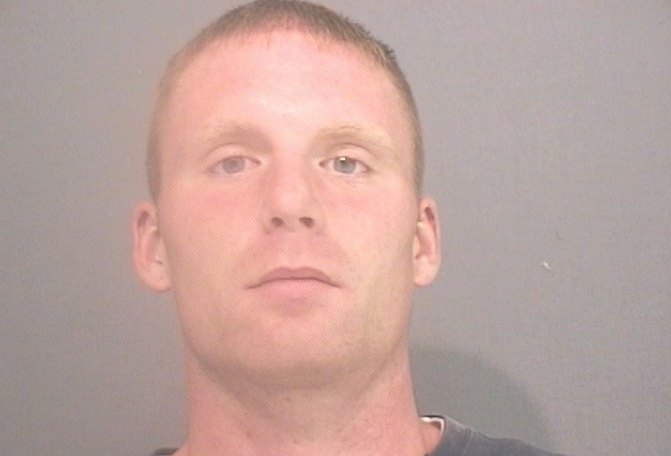
Gary Montez Martin was responsible for a deadly workplace shooting at the Henry Pratt Company in Aurora, Illinois, on February 15, 2019. Martin, a 45-year-old longtime employee, opened fire after being informed that his employment was being terminated. He murdered five people, wounded a fellow employee and exchanged gunfire with responding police officers, injuring five officers before he was killed.
The attack occurred at the Henry Pratt Company facility at 641 Archer Avenue in Aurora, approximately 40 miles west of Chicago. Henry Pratt manufactured industrial valves and operated under its parent company, Mueller Water Products. Martin had worked at the facility for approximately 15 years as a machine operator.
Employment Problems and Termination Meeting
Martin had accumulated disciplinary problems at the plant before the shooting. On February 15, 2019, company representatives summoned him to a meeting and informed him that he was being terminated for workplace-rule violations. Human resources personnel and plant managers were present, along with a human resources intern who was attending his first day at the company.
Martin had brought a Smith & Wesson M&P .40-caliber semiautomatic pistol into the building. The handgun was equipped with a green laser sight. Investigators determined that he was carrying the weapon when he entered the termination meeting, indicating that he had prepared for the possibility of violence before learning the final outcome of the meeting.
After he was told that he had been fired, Martin began shooting at the people inside the meeting area. The confined workplace setting gave the victims little opportunity to escape. Several of those killed were directly involved in the termination process, while others were employees who encountered Martin as the attack continued through the building.
The Shooting on February 15, 2019
The first emergency calls reporting gunfire were received at approximately 1:24 p.m. Central Standard Time. Witnesses described employees fleeing from the building while others hid in offices, work areas and storage spaces. The first Aurora police officers reached the facility within several minutes.
Martin moved through portions of the plant while armed. A surviving employee was shot and wounded. When officers entered the complex, Martin fired at them, striking several officers during separate encounters inside and near the building. Other officers were forced to move through the large industrial structure while attempting to locate him and evacuate injured employees.
The police response developed into a prolonged search and gun battle. Martin used machinery, walls and other parts of the industrial facility for concealment. Numerous agencies assisted Aurora police, including neighboring police departments, fire and emergency medical personnel and federal authorities.
Five Aurora police officers suffered gunshot wounds, and another officer sustained a non-gunfire injury while responding. Despite their injuries, officers continued directing other personnel toward Martin's location and helping trapped employees leave the building.
At approximately 2:59 p.m., members of a police tactical team located Martin in the rear portion of the facility. Martin fired at the officers, and they returned fire. He was struck multiple times and died at the scene. The confrontation ended approximately 95 minutes after the first emergency call.
Victims Murdered at the Henry Pratt Company
- Clayton Parks, 32 — Parks was the human resources manager at Henry Pratt and lived in Elgin, Illinois. He had graduated from Northern Illinois University and had joined the company in November 2018. Parks was participating in Martin's termination meeting when the shooting began. He was murdered on February 15, 2019, at the Henry Pratt facility in Aurora.
- Trevor Wehner, 21 — Wehner was a Northern Illinois University student beginning an internship in human resources. February 15, 2019, was his first day at Henry Pratt. He was observing the termination meeting as part of his internship duties when Martin opened fire. Wehner was murdered inside the Aurora facility.
- Russell “Russ” Beyer, 46 — Beyer was a mold operator and union chairman who had worked at the plant for more than two decades. He was the son of a longtime Henry Pratt employee and was known by relatives and coworkers as a dedicated worker. Martin murdered him at the plant on February 15, 2019.
- Vicente Juarez, 54 — Juarez was a stockroom attendant and forklift operator from Oswego, Illinois. He was a father of three and grandfather of eight. He was murdered during Martin's attack at the Henry Pratt Company on February 15, 2019.
- Josh Pinkard, 37 — Pinkard was the plant manager and lived in Oswego, Illinois. He had worked for Mueller Water Products for approximately 13 years and had previously worked at a company facility in Alabama. After being shot, Pinkard sent his wife a final message telling her that he had been shot at work and that he loved her. He died at the Aurora facility on February 15, 2019.
Other People Wounded
In addition to the five murdered employees, another Henry Pratt employee was shot and survived. The employee was hospitalized with injuries that were not considered life-threatening.
Five Aurora police officers were struck by gunfire while confronting Martin. A sixth officer was injured by means other than gunfire during the emergency response. The wounded officers ranged in age from their twenties to their fifties. All survived.
Martin's Criminal and Domestic-Violence History
Martin had a serious criminal history that legally prohibited him from possessing a firearm. In 1995, while living in Mississippi, he was convicted of felony aggravated assault after attacking a former girlfriend. He reportedly struck her with a baseball bat and stabbed her. Martin served approximately two and a half years in prison.
After moving to Illinois, Martin had additional contacts with law enforcement. Aurora police records included arrests connected to domestic battery and violation of a protective order. He was also arrested in Oswego in 2017 on allegations involving disorderly conduct and criminal damage to property.
Illegal Possession of the Murder Weapon
Despite his felony conviction, Martin obtained an Illinois Firearm Owner's Identification card in January 2014 after his criminal record was not detected during the initial background review. He used the card to purchase the .40-caliber pistol later used in the massacre.
Martin subsequently applied for an Illinois concealed-carry license. That application required fingerprint-based screening, which revealed his Mississippi felony conviction. State police denied the concealed-carry application, revoked his Firearm Owner's Identification card and notified him that he was required to surrender or legally transfer the handgun.
Martin did not surrender the weapon. Authorities did not recover it before the shooting, leaving him in illegal possession of the pistol for nearly five years. The case exposed serious weaknesses in the system used to ensure that people whose firearm credentials had been revoked actually relinquished their weapons.
Evidence of Planning and Earlier Threats
Initial reports described the massacre as an immediate reaction to Martin's firing. Later investigative findings indicated that he had entered the workplace armed and had anticipated the possibility that he would be dismissed.
Employees told investigators that Martin had previously made threatening statements about what he would do if he lost his job. At least one coworker recalled him threatening to kill people at the plant and attack police. The statements were not formally reported before the massacre because Martin had reportedly made violent or exaggerated comments on other occasions.
The fact that Martin carried a loaded handgun into the termination meeting supported the conclusion that the shooting was not entirely spontaneous. Although investigators did not identify a lengthy written plan or manifesto, his conduct showed preparation for an armed attack against his coworkers and any officers who responded.
Police Response and Investigation
Aurora police released a detailed review of the emergency response after interviewing employees, officers and witnesses and examining body-camera recordings, radio traffic and physical evidence. Investigators reconstructed Martin's movements and the separate confrontations in which officers were wounded.
The investigation concluded that the officers who shot Martin acted to stop an immediate threat. He was still armed and firing when tactical officers located him. Because Martin died at the scene, there was no criminal trial, competency evaluation or sentencing proceeding.
Aftermath
The Henry Pratt massacre devastated the victims' families and the wider Aurora community. Memorial services, vigils and fundraising campaigns were organized for the murdered workers and injured officers. The victims were remembered as fathers, husbands, coworkers, students and longtime members of their communities rather than simply as names associated with the attack.
The shooting also renewed scrutiny of firearm-record systems and enforcement procedures in Illinois. Martin had been legally disqualified from gun ownership, yet he retained the weapon after the state revoked his identification card. Lawmakers and law-enforcement officials examined ways to improve communication, enforcement and firearm-recovery procedures involving prohibited owners.
Gary Martin's attack remains one of the deadliest acts of workplace violence in Illinois history. Five innocent employees were murdered during an ordinary workday, a sixth employee was wounded and multiple police officers were shot while trying to stop the attack. Martin died without facing prosecution, leaving the victims' families and survivors to endure the lasting consequences of the violence he committed.