Omar Thornton and the 2010 Hartford Distributors Massacre
Background
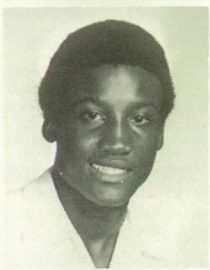
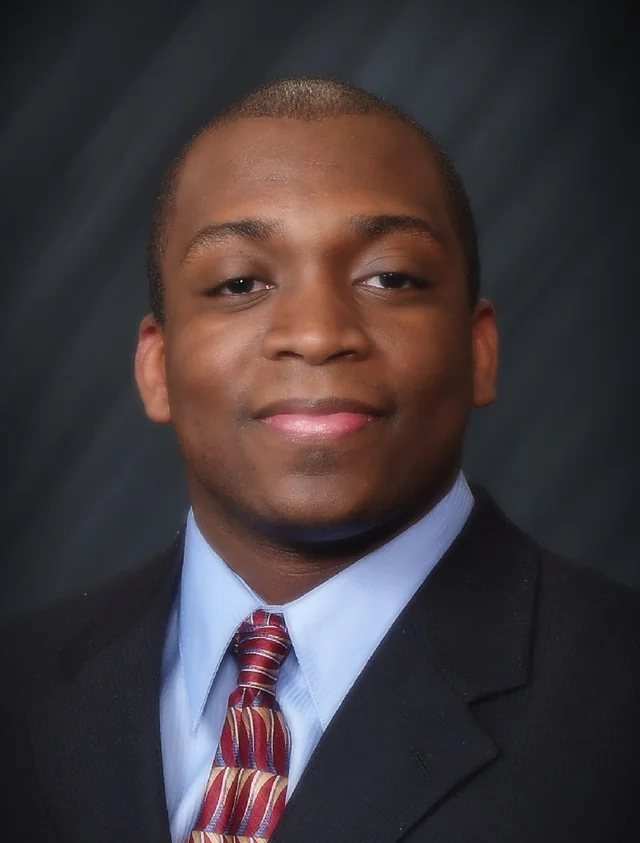
Omar Sheriff Thornton was a 34-year-old delivery driver employed by Hartford Distributors, a family-owned beer and wine distribution company located at 131 Chapel Road in Manchester, Connecticut. On the morning of August 3, 2010, Thornton carried out a workplace shooting that killed eight of his coworkers and wounded two other men before he died by suicide. Nine people, including Thornton, died during the incident, making it one of the deadliest workplace shootings in Connecticut history.
Thornton had worked for Hartford Distributors for approximately two years. Before the massacre, company officials had arranged a disciplinary meeting after a private investigator reportedly recorded Thornton taking beer from a delivery truck and transferring it to another vehicle. He was also suspected of improperly removing empty beer kegs. Thornton was instructed to attend a meeting at the company’s Manchester warehouse on August 3, although coworkers later said he apparently had not been told exactly why the meeting had been scheduled.
The Disciplinary Meeting
Thornton arrived for work carrying a lunchbox in which he had concealed two 9-millimeter semiautomatic pistols, a Ruger SR9 and a Ruger P95. He entered a meeting with Hartford Distributors general manager Steven Hollander, operations supervisor Louis Jeffrey Felder and union representative Bryan Cirigliano. During the meeting, company officials confronted Thornton with evidence that he had stolen company property.
Thornton was given the choice of being terminated or resigning. He signed resignation paperwork after asking how the separation would affect future employment references and when he would receive his final paycheck. Witnesses described him as calm during the meeting. Afterward, Hollander, Felder and Cirigliano began escorting him from the building.
The Shooting Begins
While being escorted through the facility, Thornton said that he wanted to stop for a drink of water and entered a kitchen area. Felder followed him while Hollander and Cirigliano continued into the hallway. Thornton removed the Ruger SR9 from his lunchbox and began firing shortly after approximately 7:30 a.m.
Felder was fatally shot near the kitchen. Hollander was struck by a bullet that grazed his face and arm, but he survived. Thornton then entered the hallway and shot Cirigliano, who was mortally wounded. The attack quickly moved from the office section of the building into the company’s large warehouse, where employees were beginning their morning work.
Inside the warehouse, Thornton shot forklift operator Douglas Scruton. Scruton’s forklift continued moving after he was struck, crashed into a wall and caught fire. Thornton then shot Victor James and Craig Pepin. Employees fled between rows of stored products, hid wherever they could or escaped through exits as gunfire echoed through the facility.
Thornton pursued Francis Fazio through part of the warehouse toward an area near a trash compactor, where William Ackerman was working. Both Fazio and Ackerman were fatally shot. Thornton later entered an area known as the breakage room and wounded Edwin Kennison. Kennison attempted to escape outside, but Thornton followed him and shot him again near the lobby entrance, killing him.
During the attack, Jerome Rosenstein was traveling through the property on a golf cart when Thornton fired at him. Rosenstein was struck several times but survived. Thornton passed other workers during the massacre without shooting them, demonstrating that he was selecting some of his targets rather than firing indiscriminately at everyone he encountered.
Police Response and Thornton’s Death
Approximately 40 employees were believed to have been inside the facility when the shooting began. Numerous emergency calls were made as workers reported that Thornton was moving through the building with a handgun. Manchester police officers reached Hartford Distributors within minutes and surrounded the warehouse while employees continued escaping.
Thornton eventually entered the company’s office area and barricaded himself inside a room. The second handgun in his lunchbox was recovered unused. While police searched the building, Thornton used a telephone to contact family members and then called emergency dispatchers. During the call, he claimed that he had experienced racial harassment and discrimination at Hartford Distributors. He expressed no remorse for the killings and said that he wished he had killed additional people.
As armed officers approached the office where he was hiding, Thornton said that he would surrender. Instead, shortly after 8:00 a.m. on August 3, 2010, he fatally shot himself. Police officers did not fire the shot that killed him. Investigators later determined that he had fired approximately 26 rounds from the Ruger SR9 during the attack.
Victims Killed
- Louis Jeffrey Felder, 50 — An operations supervisor at Hartford Distributors. Felder attended Thornton’s disciplinary meeting and was shot near the kitchen shortly after the meeting ended on August 3, 2010.
- Bryan Cirigliano, 51 — A union representative who participated in the disciplinary meeting. He was shot in a hallway as Thornton began moving toward the warehouse.
- Douglas A. “Doug” Scruton, 56 — A Hartford Distributors employee who was operating a forklift inside the Manchester warehouse when Thornton shot him.
- Victor Thomas “Vic” James, 60 — A longtime employee who was fatally shot in the warehouse during the August 3 attack.
- Craig A. Pepin, 60 — A Hartford Distributors employee who was killed inside the warehouse.
- Francis Joseph “Fran” Fazio Sr., 57 — An employee whom Thornton pursued through the warehouse before fatally shooting him near the trash-compactor area.
- William Carl “Bill” Ackerman Jr., 51 — An employee working near the trash-compactor area who was shot and killed during Thornton’s pursuit of Fazio.
- Edwin LeRoy “Eddie” Kennison Jr., 49 — An employee initially shot in the breakage room. He attempted to escape outside but was pursued and fatally shot near the lobby entrance.
Victims Wounded
- Steven Hollander, 50 — Hartford Distributors’ general manager. A bullet grazed his face and arm near the kitchen at the beginning of the shooting. He survived.
- Jerome Rosenstein, 77 — A company employee who was shot while traveling through the property on a golf cart. He survived his injuries.
Claims of Workplace Racism
Thornton’s relatives and girlfriend said after the massacre that he had repeatedly complained of racial mistreatment at Hartford Distributors. They alleged that he had seen racist writing and an image of a noose in a workplace bathroom. Thornton also accused the company of racism during his final emergency call.
Hartford Distributors officials, union representatives and several employees disputed those allegations. The union stated that Thornton had not filed a formal discrimination grievance through the organization, and company representatives said management had not received a documented complaint matching the claims described after the shooting. A subsequent police investigation interviewed numerous employees and examined the allegations but reported that investigators could not substantiate Thornton’s claim that the workplace was systematically racist.
The disagreement over Thornton’s allegations became a major part of the public discussion following the massacre. Investigators nevertheless concluded that the immediate trigger for the shooting was the disciplinary meeting and Thornton’s resignation after he was confronted with evidence of theft. His accusations did not excuse or legally justify the planned decision to bring firearms into the workplace and murder eight coworkers.
Investigation and Aftermath
Investigators processed a large and chaotic crime scene that extended through offices, hallways, warehouse aisles and exterior areas of the property. They collected cartridge casings, firearms, surveillance material and witness statements. The sequence of events showed that the massacre unfolded within only a few minutes, before officers could locate Thornton inside the extensive warehouse complex.
The shooting devastated the families of the eight murdered employees and the Hartford Distributors workforce. Memorial services were held throughout Connecticut, and company operations were temporarily suspended. Hartford Distributors later created a memorial honoring the men killed at the facility.
The massacre also renewed national attention on workplace violence, employee termination procedures and the danger posed when a disgruntled worker brings a firearm to a disciplinary meeting. Although Thornton had just been forced to resign, the presence of two concealed handguns in his lunchbox demonstrated that he had prepared for violence before entering the meeting.
Legacy
The August 3, 2010, Hartford Distributors shooting remains one of Connecticut’s most notorious acts of workplace mass murder. Thornton killed eight men who had arrived at the Manchester facility for an ordinary workday, leaving families, friends and coworkers to endure permanent loss.
Public attention initially centered heavily on Thornton’s final accusations, but the lasting focus of the case is on the eight victims whose lives were taken: Louis Felder, Bryan Cirigliano, Douglas Scruton, Victor James, Craig Pepin, Francis Fazio, William Ackerman and Edwin Kennison. Their deaths, along with the injuries suffered by Steven Hollander and Jerome Rosenstein, transformed a private employment dispute into a devastating act of mass violence.