Micah Xavier Johnson and the 2016 Dallas Police Ambush
Overview
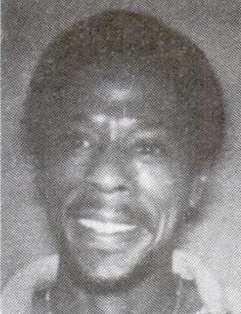
Micah Xavier Johnson was the gunman responsible for a carefully planned ambush against law-enforcement officers in downtown Dallas, Texas, on July 7, 2016. Johnson opened fire near the conclusion of a peaceful protest, killing five officers and wounding nine other officers. Two civilians were also injured during the attack. The violence continued into the early hours of July 8, when Johnson was killed during a prolonged standoff with police.
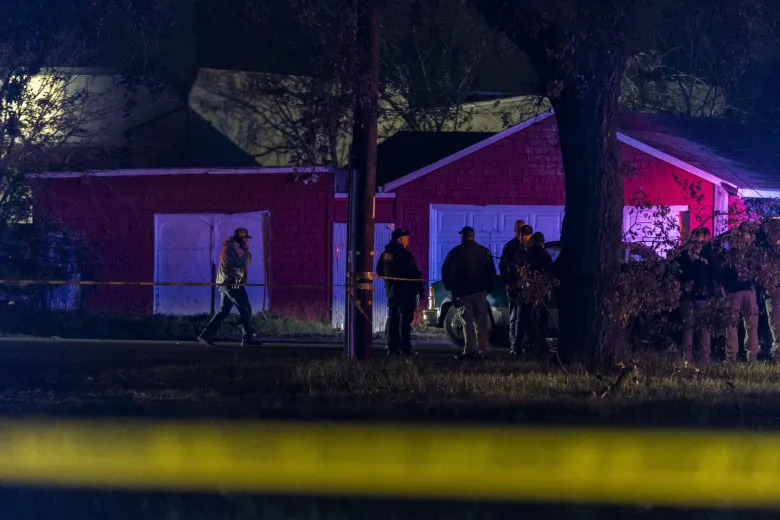
The attack occurred around Main Street, Lamar Street and the El Centro College campus in central Dallas. Johnson moved between firing positions and used the surrounding streets, buildings and elevated areas for cover. Investigators concluded that he acted alone, although the confusion created by echoes between buildings initially led authorities to suspect that several gunmen might have been involved.
Background of Micah Johnson
Micah Xavier Johnson was born on August 17, 1990, and lived in Mesquite, Texas, near Dallas. He graduated from John Horn High School in 2009 and participated in the Junior Reserve Officers’ Training Corps program while attending school.
Johnson enlisted in the United States Army Reserve in March 2009. He served as a carpentry and masonry specialist and attained the rank of private first class. From November 2013 until July 2014, he was deployed to Afghanistan with the 420th Engineer Brigade. His military service ended in April 2015.
During his deployment, Johnson was accused of sexually harassing a female soldier. The allegation resulted in his removal from Afghanistan and the initiation of military proceedings. Although the Army initially sought a more severe separation, Johnson ultimately received an honorable discharge. After returning to Texas, he reportedly became increasingly interested in military tactics, firearms and militant political material.
The July 7 Protest
On the evening of July 7, 2016, hundreds of people gathered in downtown Dallas for a demonstration addressing police use of force. The protest followed the deaths of Alton Sterling in Baton Rouge, Louisiana, on July 5, and Philando Castile in Falcon Heights, Minnesota, on July 6. Both men had been killed during encounters with police officers.
The Dallas demonstration remained peaceful as marchers traveled through the downtown area. Approximately 100 officers from the Dallas Police Department and the Dallas Area Rapid Transit Police Department were assigned to protect the participants, direct traffic and maintain security. Photographs taken before the shooting showed protesters and officers speaking calmly with one another.
Johnson was not identified as an organizer or participant in the protest. Authorities determined that he used the gathering as an opportunity to target the large number of officers stationed along the march route.
The Ambush Begins
At approximately 8:58 p.m. on July 7, gunfire erupted near the intersection of Main and Lamar streets as the protest was ending. Johnson fired on officers from protected and elevated positions near El Centro College. The first shots created immediate confusion as officers, demonstrators and bystanders attempted to determine where the gunfire was coming from.
Johnson was armed with a semiautomatic rifle and carried a handgun, ammunition and protective equipment. He changed positions while firing and used columns, vehicles, walls and portions of the college complex for concealment. His military background appeared to have helped him move tactically and engage officers from different directions.
Officers attempted to protect civilians while also locating the shooter. Protesters fled into nearby buildings, parking areas and side streets. Some officers exposed themselves to gunfire while helping injured colleagues and directing members of the public away from danger.
Video recorded during the attack showed Johnson confronting at least one officer at close range near El Centro College. Johnson maneuvered around a concrete pillar, fired from multiple angles and fatally shot the officer. The footage demonstrated the deliberate and methodical manner in which he carried out the attack.
Officers Killed
Five law-enforcement officers were killed during the ambush on July 7, 2016. Four served with the Dallas Police Department, and one served with the Dallas Area Rapid Transit Police Department.
- Senior Corporal Lorne Bradley Ahrens, 48 — A Dallas Police Department officer who was shot in downtown Dallas near the protest route and El Centro College on July 7, 2016. Ahrens had served with the department since 2002 after previously working for the Los Angeles County Sheriff’s Department. He was taken to Baylor University Medical Center, where he died from his injuries.
- Officer Michael Joseph Krol, 40 — A Dallas Police Department officer who was fatally shot while assigned to the downtown demonstration on July 7, 2016. Krol had joined the department in 2003 after moving to Texas from Michigan. He died after being transported from the shooting area near Main and Lamar streets.
- Sergeant Michael James Smith, 55 — A Dallas Police Department sergeant who was killed near El Centro College on July 7, 2016. Smith was a former United States Army Ranger and had served with the Dallas Police Department since 1989. He was among the department’s most experienced officers.
- Officer Patricio “Patrick” Enrique Zamarripa, 32 — A Dallas Police Department officer who was fatally shot while protecting the demonstration in downtown Dallas on July 7, 2016. Zamarripa was a United States Navy veteran who had completed multiple deployments to Iraq before joining the police department in 2010.
- Officer Brent Alan Thompson, 43 — A Dallas Area Rapid Transit Police Department officer who was killed near the El Centro College campus on July 7, 2016. Thompson had served with DART Police since 2007 and was a former United States Marine. He became the first DART police officer killed in the line of duty since the agency’s police department was established.
Additional People Wounded
Nine law-enforcement officers survived gunshot wounds sustained during the attack. The wounded included members of the Dallas Police Department, the Dallas Area Rapid Transit Police Department and El Centro College’s police force. Several required emergency surgery and extended medical treatment.
Two civilians were also wounded. One of them, Shetamia Taylor, had attended the protest with her sons. She was shot in the leg while attempting to protect her children and was helped to safety by officers. Her sons survived the attack.
Search for the Gunman
Because shots appeared to come from several directions, police initially believed that multiple attackers were positioned throughout downtown Dallas. Several people were temporarily detained and questioned, but investigators later determined that Johnson was the only gunman.
Johnson moved into the El Centro College complex and eventually barricaded himself in a parking garage. Officers secured the surrounding streets, evacuated buildings and searched for possible explosives. The downtown area remained locked down as tactical teams approached Johnson’s position.
During exchanges of gunfire, Johnson continued shooting at officers and struck additional members of law enforcement. Police attempted to contain him while preventing further casualties in the densely developed downtown district.
Negotiations and Standoff
A lengthy standoff followed after Johnson was cornered inside the parking garage. Police negotiators communicated with him for approximately two hours. Dallas Police Chief David Brown later said Johnson told negotiators that he was angry about police shootings and that he wanted to kill white people, particularly white police officers.
Johnson said he had acted alone and was not affiliated with an organized group. He claimed that explosives had been planted in downtown Dallas and threatened further violence. Police subsequently conducted extensive searches, but no additional bombs connected to his claims were discovered.
Negotiators reported that Johnson was confrontational and showed no intention of surrendering. He reportedly laughed, sang, taunted officers and asked how many people he had killed. Continued attempts to persuade him to leave his position peacefully were unsuccessful.
Death of Micah Johnson
Police determined that attempting a direct assault would place additional officers in extreme danger. Johnson held a defensible position at the end of a hallway and had already demonstrated that he was prepared to continue shooting.
During the early morning of July 8, 2016, officers attached an explosive charge to a remotely controlled bomb-disposal robot. The robot was guided toward Johnson’s position in the El Centro College parking garage. At approximately 2:30 a.m., police detonated the device, killing the 25-year-old gunman.
The operation was widely described as the first known instance in the United States in which police intentionally killed a suspect using an explosive carried by a robot. Chief Brown defended the decision, explaining that officers saw no safe alternative that would prevent Johnson from killing additional members of the tactical team.
Search of Johnson’s Home
Investigators searched Johnson’s home in Mesquite after the attack. They found firearms, ammunition, tactical equipment, bomb-making materials and a journal that reportedly contained information about combat techniques and methods of movement during armed confrontations.
Authorities also examined Johnson’s internet activity and social-media accounts. He had expressed anger over police violence and followed organizations and individuals associated with Black nationalism. Investigators did not find evidence that any political organization had directed the attack or that Johnson had been part of a larger operational cell.
Police concluded that Johnson had prepared for a violent confrontation before arriving in downtown Dallas. His equipment, choice of location and movement during the shooting indicated that the attack was planned rather than spontaneous. Authorities did not establish that he had originally selected July 7 for the shooting, but the presence of the protest supplied him with a concentrated group of police targets.
Investigation and Findings
Local and federal investigators reconstructed Johnson’s movements through physical evidence, surveillance recordings, witness statements and ballistic testing. The inquiry determined that a single gunman was responsible for the fatal shootings and the other injuries.
Officials investigated people who had been detained during the initial confusion but found no evidence that they assisted Johnson. Claims that several snipers had participated were attributed to the echoes of gunfire between downtown buildings and Johnson’s repeated movement between firing positions.
The attack was not formally attributed to a foreign terrorist organization. Investigators characterized Johnson as a lone attacker motivated by hostility toward police officers and racial resentment. No evidence established that the protest organizers or demonstrators knew of his plan.
Aftermath
The Dallas ambush was the deadliest attack against American law-enforcement officers since the terrorist attacks of September 11, 2001. It shocked Dallas and drew national attention to the dangers faced by officers assigned to large public demonstrations.
A public memorial service for the five officers was held at the Morton H. Meyerson Symphony Center in Dallas on July 12, 2016. President Barack Obama, former President George W. Bush, Vice President Joe Biden and other national and local officials attended. The officers were remembered for their military service, law-enforcement careers and efforts to protect the very protesters whose demonstration Johnson exploited.
The shooting also led police departments throughout the country to reconsider security procedures for demonstrations, including the positioning of officers, the use of tactical teams and methods for detecting elevated threats. Dallas officials emphasized that Johnson acted independently and that the peaceful protesters were not responsible for his actions.
Legacy of the Attack
The July 7, 2016, attack remains one of the deadliest deliberate assaults on law enforcement in United States history. Its location at a peaceful protest intensified national debates concerning policing, racial injustice, political violence and the risks faced by both officers and civilians during public gatherings.
Micah Johnson’s actions transformed an orderly march into a prolonged urban attack that killed five officers and injured eleven other people. The victims were serving and protecting members of the public when they were targeted. The attack ended with Johnson’s death on July 8, but its impact continued through the families of the slain officers, the survivors who sustained lasting injuries and the Dallas community that mourned their loss.