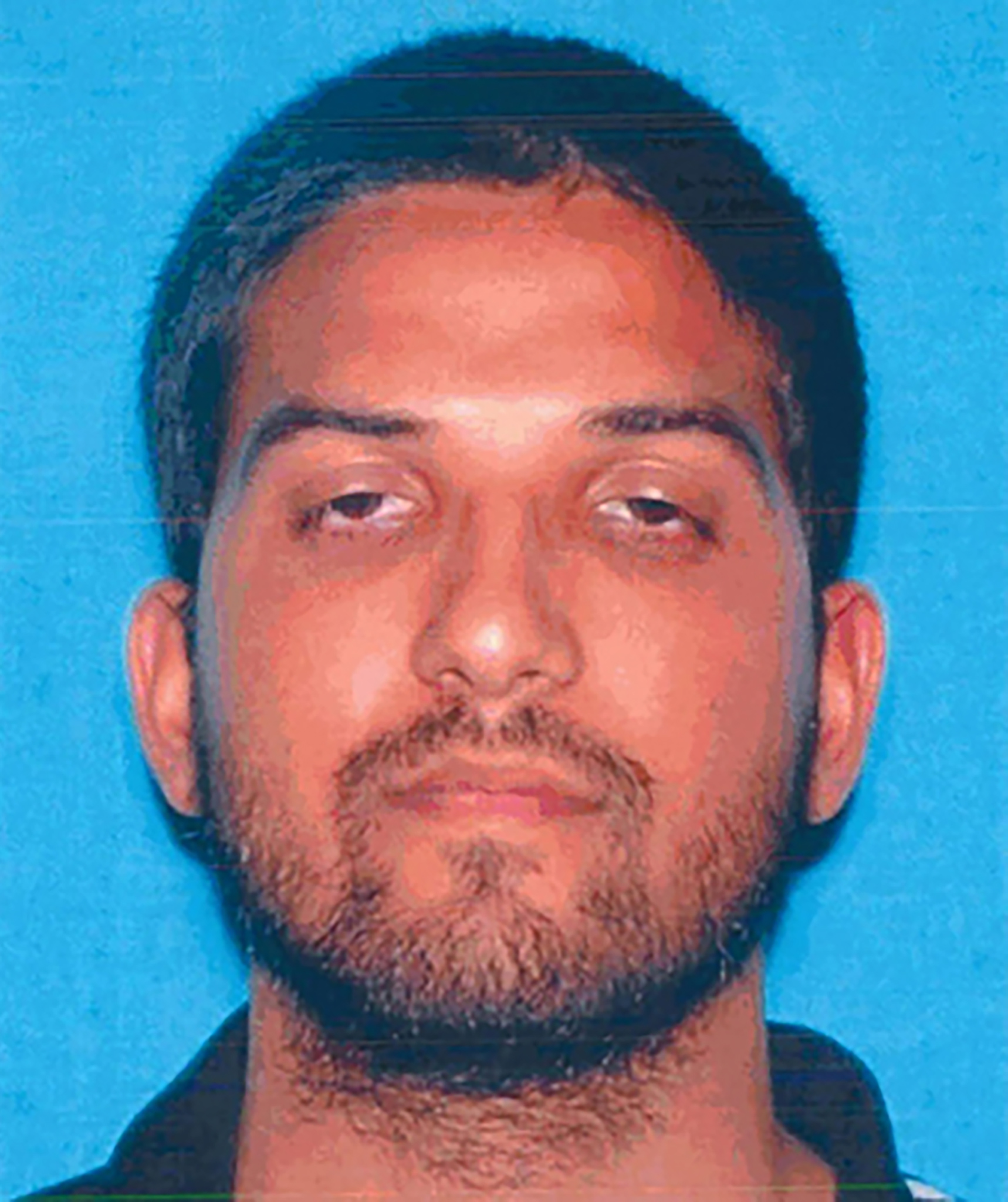
Sarah Hart and the 2018 Hart Family Murders
Overview of the Case
Sarah Margaret Hart was one of the two adoptive mothers responsible for the deaths of six children in a carefully concealed case of familicide. On March 26, 2018, Sarah, her wife Jennifer Hart, and their six adopted children died after the family’s 2003 GMC Yukon XL was deliberately driven over a cliff along California State Route 1 near Westport in Mendocino County, California. Sarah was 38 years old at the time of her death.
Jennifer was driving the sport utility vehicle, while Sarah occupied the front passenger seat. Investigators initially approached the scene as a catastrophic traffic accident, but evidence recovered from the vehicle, the family’s home, electronic devices, toxicology examinations, and previous child-abuse investigations established that the plunge was intentional. A coroner’s jury later concluded that the children were victims of homicide and that Sarah and Jennifer died by suicide.
The Hart Family
Sarah and Jennifer Hart met while attending college in South Dakota. They eventually married and adopted six Black children from the Texas foster-care system. The children were Markis, Hannah, Devonte, Jeremiah, Abigail, and Ciera Hart. The family lived in several states, including Minnesota, Oregon, and Washington.
On social media, the women portrayed themselves as loving, socially conscious parents raising a close and adventurous family. Photographs showed the children attending music festivals, traveling, participating in demonstrations, and embracing their adoptive mothers. This carefully maintained public image concealed repeated allegations that the children were being physically abused, deprived of food, isolated, and pressured to support the family’s idealized public narrative.
Early Reports of Abuse
Concerns about the treatment of the children arose years before the murders. In 2008, while the family was living in Minnesota, school personnel noticed bruising on one of the children. Sarah admitted striking the child and pleaded guilty in 2011 to a misdemeanor domestic-assault charge. She received a suspended jail sentence, probation, community service, and counseling requirements.
Other reports described the children as unusually small for their ages and intensely focused on food. Teachers and acquaintances reportedly observed children taking food from other students, searching through garbage, or describing punishments involving the withholding of meals. Sarah and Jennifer denied serious wrongdoing and offered explanations that investigators did not always have enough evidence to disprove.
Child-protection authorities investigated the family more than once. However, the family moved between states, homeschooled the children for extended periods, and controlled much of their contact with outsiders. These circumstances made continued observation difficult and allowed the abuse allegations to remain unresolved.
Life in Oregon and Washington
The family later lived in Oregon before relocating to a rural property near Woodland, Washington, in 2017. The move did not end concerns about the children’s safety. Neighbors Bruce and Dana DeKalb soon witnessed behavior that suggested the children were frightened, hungry, and desperate for help.
In August 2017, Hannah Hart reportedly escaped from the family home by jumping or climbing from a second-story window. She ran to the DeKalbs’ house in the early morning and pleaded with them not to make her return. Hannah accused her adoptive mothers of abuse and said the women were racist. Jennifer soon arrived, took Hannah home, and attempted to persuade the neighbors that the teenager was lying and experiencing behavioral problems.
During the following months, Devonte Hart repeatedly approached the DeKalbs asking for food. He requested tortillas, peanut butter, lunch meat, and other items and asked the neighbors not to tell his mothers. Devonte allegedly said that food was withheld as punishment and that the children sometimes went without meals. His visits became increasingly alarming, leading the neighbors to contact law enforcement and Washington child-welfare authorities.
The Final Child-Welfare Investigation
Washington authorities opened an investigation in March 2018. A caseworker visited the Hart residence on March 23 but received no answer. The family’s vehicle was gone, although evidence indicated that Sarah had been inside the house earlier that day. The caseworker attempted another visit on March 26, the same day the family died in California.
Investigators later determined that Sarah and Jennifer abruptly left Washington with all six children. They did not take the family’s two dogs, and the trip did not resemble a planned vacation or ordinary relocation. The women appeared to be fleeing as child-welfare officials began examining the allegations made by their neighbors.
The Journey to California
The Harts traveled south from Washington through Oregon and into Northern California. Electronic and financial records helped investigators trace portions of the route. The family eventually reached the remote Mendocino County coastline, where steep cliffs rise above the Pacific Ocean.
During the period preceding the deaths, Sarah used her mobile phone to search for information about diphenhydramine, the active ingredient in Benadryl. Her searches reportedly concerned how much of the medication could be fatal and whether death by drowning would be painful. She also searched for information about no-kill animal shelters. The family’s dogs were later found alive at the Washington residence.
The searches became important evidence because toxicology testing found diphenhydramine in Sarah’s body and in the bodies of some of the children. Investigators believed the medication may have been used to sedate members of the family before Jennifer drove the vehicle from the cliff.
The Cliffside Murders
On March 26, 2018, the GMC Yukon stopped near the edge of a roughly 100-foot cliff beside California State Route 1, several miles north of Westport. Data retrieved from the vehicle’s airbag-control system showed that the SUV accelerated rapidly from a stopped position. The accelerator was pressed fully down, and there was no meaningful braking before the vehicle left the roadway.
The Yukon plunged over the cliff and landed upside down on the rocky shoreline below. Jennifer was behind the steering wheel, and Sarah was seated beside her. None of the occupants appeared to have been restrained by seat belts. The physical evidence showed that this was not a driver losing control on a curve or accidentally drifting from the highway. The vehicle had been intentionally launched from the cliff.
Jennifer’s blood-alcohol concentration was above California’s legal limit for driving. Sarah and at least two of the children had significant amounts of diphenhydramine in their systems. Combined with Sarah’s internet searches, the sudden flight from Washington, and the mechanical data from the SUV, the evidence demonstrated planning and shared awareness of the fatal act.
Victims
- Markis Hart: Age 19. Markis was killed on March 26, 2018, when the family SUV was driven over the cliff near Westport in Mendocino County, California. His body was recovered near the crash site.
- Hannah Hart: Age 16. Hannah was killed on March 26, 2018. Partial remains recovered from the Mendocino County coastline were identified through DNA testing in January 2019. She had previously attempted to seek help from neighbors in Washington.
- Devonte Hart: Age 15. Devonte was presumed killed in the March 26, 2018, cliff plunge. His body was not recovered, but investigators concluded that he was inside the SUV. A California judge legally declared him dead in 2019. Devonte had repeatedly asked neighbors for food and had disclosed alleged abuse before the murders.
- Jeremiah Hart: Age 14. Jeremiah died on March 26, 2018, in the vehicle near Westport, California. His body was recovered at the crash scene.
- Abigail Hart: Age 14. Abigail was killed on March 26, 2018, when the SUV plunged from the coastal cliff. Her body was found in or near the wreckage.
- Ciera Hart: Age 12. Ciera, whose name was sometimes reported as Sierra, was the youngest of the six children. She died on March 26, 2018. Her remains were recovered from the Pacific coastline several weeks after the crash.
Recovery and Identification
A passing motorist noticed the overturned SUV below the cliff and alerted authorities. Responders initially located the bodies of Sarah, Jennifer, Markis, Jeremiah, and Abigail. The remaining children were listed as missing as law-enforcement officers searched the shoreline, the ocean, and the surrounding area.
Parts of Ciera’s remains were recovered in April 2018. Additional remains found months later were identified as Hannah’s through DNA testing. Devonte’s remains were never located, despite extensive searches. Investigators nevertheless determined that all six children had been traveling with Sarah and Jennifer and were inside the vehicle when it went over the cliff.
Evidence of Deliberate Familicide
The mechanical examination of the Yukon provided some of the clearest evidence of intent. The SUV had come to a stop before accelerating toward the precipice. Data showed full-throttle acceleration, with the vehicle reaching approximately 20 miles per hour within seconds. Tire impressions and the absence of braking evidence supported the conclusion that Jennifer deliberately drove across the turnout and over the edge.
There was no evidence that another vehicle forced the Yukon from the road. The weather and roadway conditions did not explain the maneuver. Investigators also found no luggage or preparations suggesting a normal family trip. The deaths occurred only days after child-welfare authorities began attempting to contact the women about allegations of neglect and food deprivation.
Although Jennifer physically operated the vehicle, authorities regarded Sarah as a participant rather than an unsuspecting passenger. Sarah’s internet research, her presence in the front seat, the administration or consumption of diphenhydramine, and the couple’s joint flight from Washington supported the determination that both women were responsible for the deaths.
The Coroner’s Inquest
In April 2019, Mendocino County held a formal coroner’s inquest to determine the manner of death for each family member. Witnesses included investigators, toxicologists, law-enforcement officers, crash-reconstruction specialists, and people familiar with the family’s history.
The jury unanimously ruled that the six children died by homicide. Jennifer and Sarah were found to have died by suicide. The legal classification established that the cliff plunge was a murder-suicide and not an accident. Because both responsible adults were dead, no criminal prosecution or trial took place.
Sarah Hart’s Responsibility
Sarah Hart did not steer the Yukon, but the available evidence showed that she shared responsibility for the children’s deaths. She had participated in the children’s upbringing, had previously been convicted of assaulting one child, and had helped maintain the isolated household in which allegations of physical abuse and food deprivation repeatedly arose.
Her searches about lethal doses of Benadryl and the experience of drowning were conducted before the crash. Diphenhydramine was found in her system and in the systems of children recovered from the scene. These facts indicated that Sarah knew death was being contemplated and may have helped prepare the children for the fatal journey.
The exact division of planning between Sarah and Jennifer could not be established because both women died. Nevertheless, the coroner’s findings and the broader investigation treated the case as a joint familicide in which Jennifer carried out the final driving maneuver with Sarah beside her.
The Deceptive Public Image
The case attracted national attention partly because the family had cultivated such a convincing image of happiness. Jennifer frequently posted photographs and emotional stories about the children online. Friends and festival acquaintances saw the Harts as unconventional but affectionate parents devoted to social justice, music, travel, and community.
Devonte became nationally recognizable in November 2014 after he was photographed crying while hugging a police officer during a demonstration in Portland, Oregon. The image was widely shared as a symbol of compassion and reconciliation. After Devonte’s death, the photograph took on a disturbing context because investigators learned that he had reportedly been hungry, frightened, and abused at home.
The children’s smiling public appearances did not accurately reveal their private circumstances. Accounts gathered after the murders described strict control, forced performances of affection, limited access to other people, and rehearsed explanations whenever concerns arose. Sarah and Jennifer repeatedly used their progressive public identity and claims of discrimination to deflect scrutiny from the children’s treatment.
Child-Welfare System Failures
The murders led to widespread criticism of child-welfare agencies in Minnesota, Oregon, Washington, and Texas. Reports had accumulated over approximately a decade, but information did not consistently follow the family across state lines. Investigators in one jurisdiction often lacked access to the complete history developed elsewhere.
The decision to homeschool the children further reduced contact with teachers, counselors, and school nurses who might have recognized continuing signs of abuse. The children were left largely dependent on the adults accused of mistreating them, while the family’s repeated moves disrupted oversight.
By the time Washington authorities attempted to examine the DeKalbs’ report, Sarah and Jennifer had already removed the children from the state. The case became an example of how fragmented records, jurisdictional boundaries, and an abusive household’s ability to isolate children can prevent agencies from responding before a crisis becomes fatal.
Aftermath and Legacy
The Hart family murders remain one of the most disturbing American familicide cases of the 2010s. Six adopted children who had survived earlier instability and entered a household presented as safe were instead subjected to years of alleged abuse before being killed by the adults responsible for protecting them.
The investigation dismantled the public story Sarah and Jennifer had constructed. Behind photographs of festivals, protests, embraces, and family adventures was a pattern of violence, hunger, fear, secrecy, and institutional failure. The murders demonstrated that a carefully managed public image can conceal severe abuse and that children’s attempts to seek food or protection must be taken seriously.
Sarah Hart died alongside Jennifer, but she was not classified merely as another victim of the crash. The evidence established her role in the abuse and in the events leading to the deliberate killing of all six children. The official murder-suicide ruling recognized Markis, Hannah, Devonte, Jeremiah, Abigail, and Ciera Hart as homicide victims whose lives ended at the base of a remote California cliff on March 26, 2018.