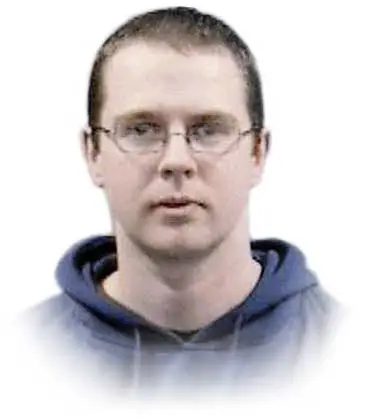
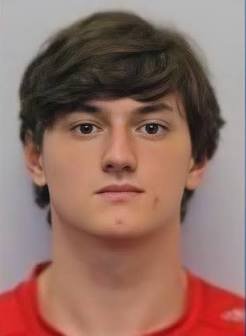
Nerses Galstyan and the 2010 Valley Village Restaurant Massacre
Overview
On April 3, 2010, Nerses Arthur Galstyan carried out a mass shooting inside the Hot Spot Mediterranean Restaurant at 11651 Riverside Drive in Valley Village, a neighborhood in Los Angeles, California. Galstyan, who was 28 years old at the time, fired more than 50 rounds during the attack, killing four men and seriously wounding two others.
The victims and Galstyan had gathered at the restaurant for a memorial honoring a friend who had died in a traffic accident approximately one year earlier. What began as a social gathering among friends and acquaintances ended in a sudden eruption of gunfire following an argument inside the restaurant.
The Memorial Gathering
During the afternoon of April 3, several members of the local Armenian community assembled inside the Hot Spot Mediterranean Restaurant. The event was intended to remember a deceased friend and reportedly included food, conversation, and drinking.
Galstyan was seated at a table with his brother, Samuel Galstyan, and several of the men who would later become victims. Witness testimony and evidence presented in court indicated that tension developed between Galstyan and some of the other guests.
Investigators later said Galstyan believed that certain men in the group had repeatedly humiliated him and forced him to perform menial tasks. The precise nature of the dispute remained contested during the criminal trial, but the confrontation escalated into a verbal argument.
The Shooting
After the argument, Galstyan briefly left the restaurant and went to his vehicle. He retrieved a firearm, returned to the crowded dining area, and opened fire on the men seated inside.
Galstyan discharged more than 50 rounds. Ballistics evidence later showed that approximately 30 bullets struck the six people he targeted. Prosecutors said several of the victims were shot repeatedly while Galstyan stood over them.
One victim was struck approximately ten times, including wounds to the chest and the back of the head. The concentrated gunfire left furniture, walls, and portions of the restaurant damaged as customers and employees attempted to escape or take cover.
Four men died from their injuries. Two additional men survived but suffered serious wounds. Galstyan fled the restaurant following the shooting and was captured on surveillance footage leaving the scene.
Victims
- Hayk Yegnanyan, 25 — Killed on April 3, 2010, inside the Hot Spot Mediterranean Restaurant at 11651 Riverside Drive in Valley Village, Los Angeles, California.
- Sarkis Karadjian, 26 — Killed on April 3, 2010, inside the Hot Spot Mediterranean Restaurant in Valley Village.
- Harut Baburyan, 28 — Killed on April 3, 2010, inside the Hot Spot Mediterranean Restaurant in Valley Village.
- Vardan Tofalyan, 31 — Killed on April 3, 2010, inside the Hot Spot Mediterranean Restaurant in Valley Village.
- Two surviving victims — Seriously wounded by gunfire during the April 3, 2010, attack. Their names were not consistently identified in widely available reports.
Immediate Investigation
Officers from the Los Angeles Police Department responded to the restaurant and found multiple victims suffering from gunshot wounds. The four deceased men were pronounced dead at or near the scene, while the surviving victims were transported for emergency treatment.
Detectives from the Los Angeles Police Department’s Robbery-Homicide Division began interviewing witnesses and examining evidence from the restaurant. Investigators collected cartridge casings, bullets, surveillance recordings, and physical evidence showing the extensive number of shots fired.
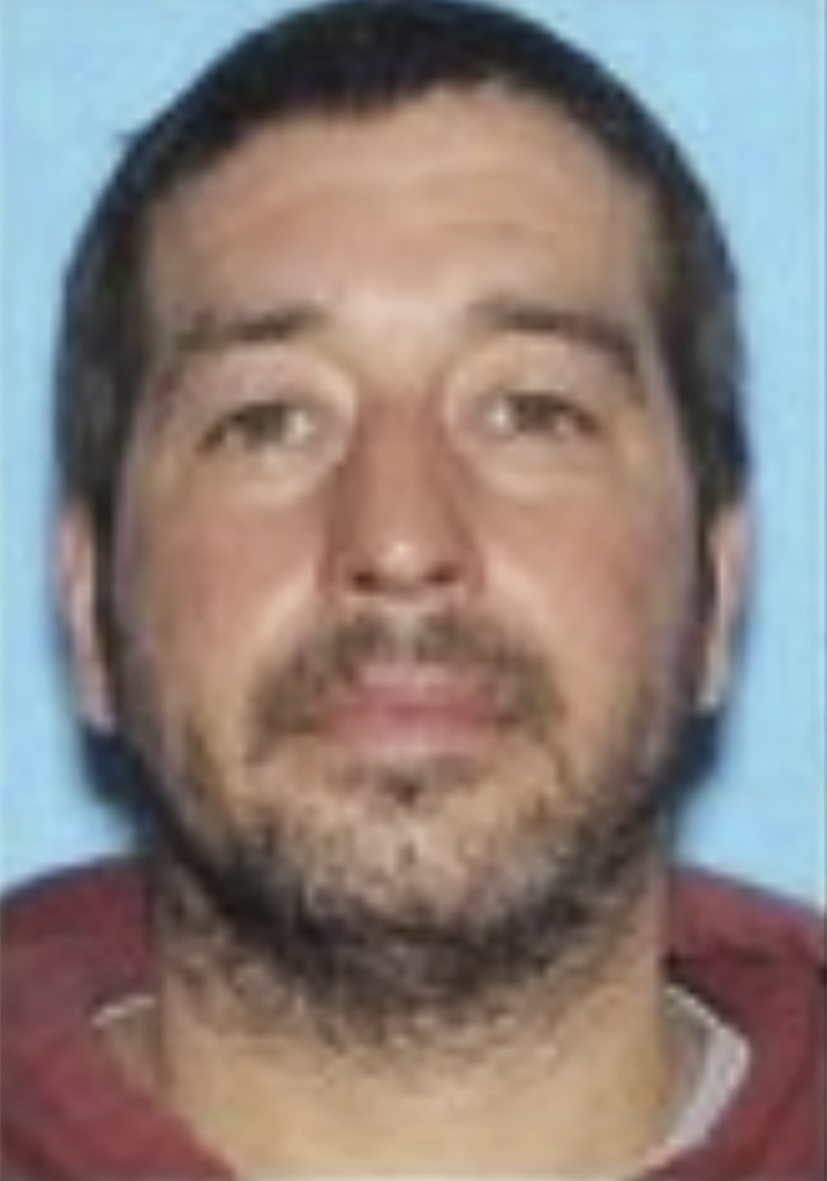
Witnesses identified Galstyan as the suspected gunman. Police quickly released his name and photograph while warning that he should be considered armed and dangerous.
Flight and Arrest
Galstyan left Southern California after the killings. Investigators determined that he had traveled north toward Washington state with his brother, Samuel.
On April 20, 2010, approximately seventeen days after the massacre, federal agents arrested Nerses and Samuel Galstyan at a residence in Kenmore, Washington, near Seattle. Authorities took both men into custody without another major violent confrontation.
Nerses Galstyan was returned to Los Angeles to face prosecution for the restaurant killings. Samuel was also investigated in connection with the events surrounding the shooting, although Nerses was identified as the person who fired the fatal shots.
Related Firearms Investigation
The murder investigation also uncovered allegations involving unlawful firearms transactions. A federal grand jury indicted Galstyan on charges connected to selling firearms without a license and possessing a firearm with an altered or removed serial number.
Authorities alleged that Galstyan and victim Vardan Tofalyan had participated in illegal gun sales during 2009. The transactions reportedly involved an informant working with federal agents.
The firearms allegations provided investigators with additional information about Galstyan’s access to weapons before the restaurant shooting. However, the central criminal case concerned the four killings and the wounds inflicted upon the two survivors.
Prosecution’s Case
Prosecutors argued that Galstyan intentionally removed himself from the initial dispute, obtained a gun from his vehicle, returned to the restaurant, and deliberately fired at the victims. They maintained that his decision to leave and then return armed demonstrated planning and gave him an opportunity to reconsider his actions.
The prosecution presented surveillance footage, eyewitness testimony, autopsy findings, crime-scene evidence, and extensive ballistic evidence. The large number of rounds fired and the repeated wounds suffered by the victims were used to show that the attack was purposeful and sustained.
Deputy District Attorney Jonathan Chung told jurors that many of the victims had been shot while Galstyan was positioned above or close to them. Prosecutors rejected the claim that the shooting was a reasonable act of self-defense.
Defense Claims
Galstyan’s defense attorney argued that he acted because he believed he and his brother were in danger. The defense claimed that some of the men at the restaurant had threatened, intimidated, or humiliated the brothers.
The defense also alleged that Sarkis Karadjian and Harut Baburyan had brought firearms to the gathering and attempted to frighten Galstyan. According to the defense theory, Galstyan believed the shooting was necessary to protect himself and Samuel.
Prosecutors disputed that account, emphasizing that Galstyan had left the restaurant before returning with his firearm. The number of shots fired and the locations of the victims’ wounds further weakened the argument that Galstyan had used only the force necessary to escape an immediate threat.
Convictions
On March 15, 2016, after a lengthy prosecution and trial, a Los Angeles County jury convicted Galstyan in connection with all four deaths and the attacks on the surviving victims.
The jury found him guilty of two counts of first-degree murder with the special circumstance of multiple murders, one count of second-degree murder, and one count of voluntary manslaughter. The different verdicts reflected the jury’s findings regarding the circumstances surrounding each individual death.
Galstyan was also convicted of two counts of attempted voluntary manslaughter and one count of aggravated mayhem for the severe injuries inflicted upon the survivors. Firearm and multiple-murder allegations were found to be true.
Sentencing
On December 20, 2016, Galstyan appeared for sentencing in Los Angeles County Superior Court. The judge described the restaurant shooting as calculated, callous, extremely violent, and unprovoked.
Galstyan was sentenced to two consecutive terms of life imprisonment without the possibility of parole. He also received two additional life terms and further punishment for the attempted killings, aggravated mayhem, and firearm-related enhancements.
The sentence ensured that Galstyan would remain incarcerated for the remainder of his life. Although prosecutors had previously considered seeking the death penalty, the final punishment imposed was multiple life sentences.
Victim Impact
Relatives of the murdered men addressed the court during sentencing. The mothers of two victims described the lasting grief caused by the killings and the difficulty of living with the loss of their sons.
Family members said the convictions and sentence provided a measure of closure, but they emphasized that no punishment could restore the lives that had been taken. The attack left several families grieving and deeply affected members of the Armenian community throughout the Los Angeles area.
Classification and Legacy
The crime committed by Nerses Galstyan is classified as a mass murder because four victims were killed during a single, continuous shooting at one location. Unlike a serial murderer, who kills victims during separate events over an extended period, Galstyan carried out the fatal violence within a matter of minutes.
The Hot Spot Mediterranean Restaurant massacre demonstrated how a personal dispute could escalate into catastrophic violence when an armed individual chose to leave a confrontation, obtain a firearm, and return. Four men were killed, two others were seriously wounded, and Galstyan ultimately received a sentence that permanently removed him from the community.