Clementine Barnabet: The Louisiana-Texas Ax Murder Case
Overview
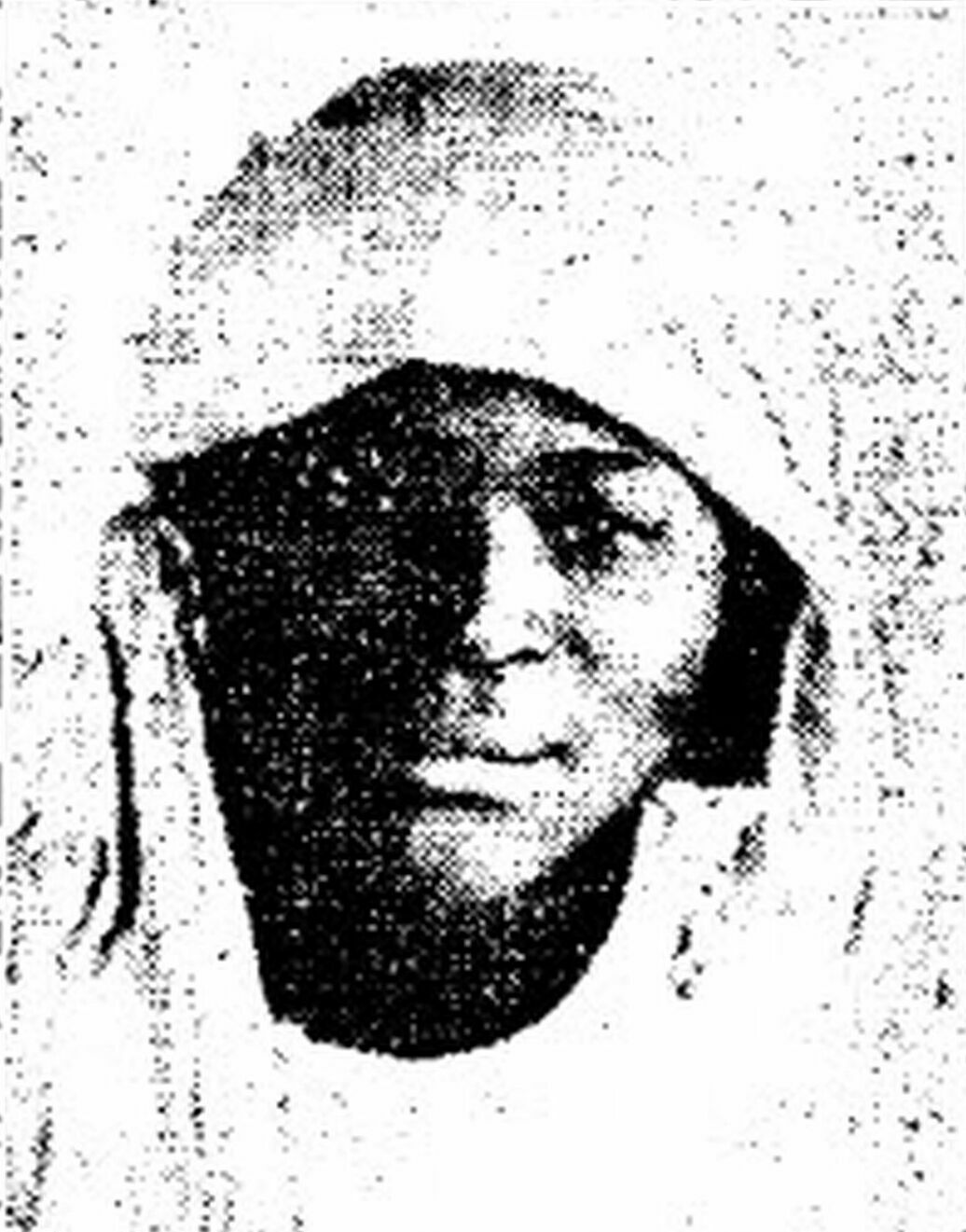
Clementine Barnabet was a young Louisiana woman who became the central suspect in one of the most disturbing and confusing series of family murders in the early twentieth-century American South. Born around 1894 in St. Martin Parish, Louisiana, Barnabet was still a teenager when she was arrested in November 1911. Newspapers eventually portrayed her as an extraordinarily prolific serial killer, and Barnabet herself gave sensational confessions in which she claimed involvement in numerous murders. At one point she claimed participation in as many as 35 killings and said that she had personally committed many of them.
The historical record, however, is considerably more complicated than the reputation that developed around her. Barnabet was convicted of only one murder: the killing of Azema Randall in Lafayette, Louisiana. Several murders attributed to the same supposed killer occurred after Barnabet had already been jailed, making it impossible for her to have personally committed those attacks. Her confessions also changed repeatedly and sometimes contradicted known details from the crime scenes. For those reasons, Clementine Barnabet is best described as a convicted murderer and suspected serial killer whose actual number of victims remains uncertain.
The Beginning of the Ax-Murder Panic
The crimes associated with Barnabet formed part of a larger series of nighttime attacks in Louisiana and Texas. Entire families were attacked inside their homes, usually while sleeping. Axes or hatchets were commonly used, and robbery generally did not appear to be the motive. Many of the victims were African American families living in communities located along or near major railroad lines.
An early crime later associated with the series occurred in Rayne, Louisiana, during the early hours of November 13, 1909. Edna, or Edmee, Opelousas and her three children were attacked in their home. Edna was killed, and her mortally wounded children subsequently died. Other people were investigated in connection with that crime, and there is no reliable evidence proving that Barnabet committed it. Nevertheless, the case later became incorporated into accounts of the Louisiana-Texas ax murders.
The Byers Family Murders
In January 1911, another family was murdered in Crowley, Louisiana. Contemporary reports identified the father as Walter J. Byers, although later accounts sometimes give his name as William J. Byers. Byers, his wife, and their young child were found dead inside their home. Investigators believed the family had been killed during the night of January 24, 1911. An ax had been used, and there was little indication that the victims had been able to defend themselves.
The Byers killings established a frightening pattern that would soon be repeated. Investigators considered several suspects, and arrests were made, but the crime was never conclusively solved. It was later placed among the murders attributed to Barnabet and the unidentified ax killer or killers operating in the region.
The Andrus Family Murders
On February 24, 1911, four members of the Andrus family were found murdered in Lafayette, Louisiana. The victims were Alexander, or Alexandre, Andrus; his wife Meme, also reported as Mimi; their three-year-old son Joachim; and their eleven-month-old daughter Agnes. The family had been attacked inside their home with an ax.
The Barnabet family lived nearby, and suspicion eventually focused on Clementine's father, Raymond Barnabet. Raymond was arrested, released for insufficient evidence, and later arrested again. Clementine and one of her brothers gave testimony against their father, claiming he had returned home with blood on his clothing and had spoken about killing the Andrus family. Raymond was convicted, although his conviction was challenged and the case against him remained controversial.
The importance of the Andrus murders increased dramatically when another family was killed while Raymond was incarcerated. That second massacre demonstrated that either Raymond had been wrongly identified as the sole killer or someone else was participating in the murders.
The Casaway Family in San Antonio
The violence crossed into Texas in March 1911. During the night of March 21 into the morning of March 22, Alfred Louis Casaway, his wife Elizabeth Castelow Casaway, and their three children were murdered at their home on North Olive Street in San Antonio. Alfred worked as a janitor at the Grant school. When he failed to arrive for work, neighbors checked the house and discovered the family.
The victims had suffered fatal blows from an ax. Investigators found the weapon inside the residence. Money and valuables remained, strengthening the belief that robbery had not motivated the attack. The murders closely resembled the Louisiana crimes, and the Casaway family was eventually added to the growing list of families attributed to the unidentified ax murderer or murderers.
The Randall Family Murders
The crime that directly resulted in Clementine Barnabet's arrest occurred in Lafayette on the night of November 26, 1911. Norbert Randall, his wife Azema Randall, three of their children, and a young nephew were killed in their home. Another Randall child had spent the night elsewhere and returned the following morning to discover the massacre.
The Randall murders resembled the earlier attacks, although Norbert Randall had also been shot in the head. Clementine was living only a short distance from the Randall residence and knew the family. Investigators searched the residence where she was staying and reported finding bloodstained clothing in her room. Blood was also reportedly found on a gate or latch near the property. Those discoveries led authorities to arrest her.
Forensic science was still primitive by modern standards. A chemist examining the evidence concluded that stains on clothing associated with Clementine contained human blood and material believed to be brain tissue. Authorities considered the findings powerful evidence, although the reliability of those early forensic conclusions has subsequently been questioned.
Confessions and the "Church of Sacrifice"
After her arrest, Barnabet began making extraordinary statements. She initially admitted involvement in the Andrus and Randall murders and later greatly expanded the number of killings she claimed. In April 1912 she told investigators and reporters that she had participated in approximately 35 murders, at various times claiming that she had personally killed 17, 19, or approximately 20 people.
Barnabet described an organization that newspapers called the "Church of Sacrifice." She claimed that she and other participants possessed small "conjure bags" that supposedly protected them from detection. According to versions of her confession, Barnabet believed these objects allowed their owners to commit crimes without being caught. She claimed that several people participated in the killings and gave different accounts regarding who accompanied her.
Contemporary newspapers quickly transformed these statements into stories involving religious sacrifice, Hoodoo, Voodoo, secret societies, and supernatural beliefs. Many of those reports were highly sensationalized and reflected the racial prejudices of the Jim Crow era. There is no solid evidence establishing that a large organized murder cult called the Church of Sacrifice actually directed the killings.
Victims and Families Connected to the Case
- Edna/Edmee Opelousas and three children - November 13, 1909 - Rayne, Louisiana: Edna and her three children, approximately four to nine years old, were fatally attacked in their home. The murders were later associated with the wider ax-murder series, but Barnabet's responsibility was never established.
- Walter/William J. Byers, his wife, and their child - January 24, 1911 - Crowley, Louisiana: The family of three was killed inside its home. Contemporary investigators believed the murders occurred Tuesday night, January 24. The names of the wife and child were not consistently preserved in surviving reports.
- Alexander "Alexandre" Andrus, Meme/Mimi Andrus, Joachim Andrus, and Agnes Andrus - February 24, 1911 - Lafayette, Louisiana: Alexander, approximately 30; Meme, approximately 29; Joachim, age 3; and Agnes, approximately 11 months old, were murdered inside their home. Clementine's father Raymond was originally convicted in connection with these killings, and Clementine later claimed involvement herself.
- Alfred Louis Casaway, Elizabeth Castelow Casaway, Josie Casaway, Louise Casaway, and Alfred Carlisle Casaway - night of March 21-22, 1911 - San Antonio, Texas: Alfred, approximately 51 or 52; Elizabeth, 37; Josie, approximately 6; Louise, approximately 3; and five-month-old Alfred Carlisle were killed at the family's North Olive Street home. The bodies were discovered on March 22.
- Norbert Randall, Azema/Asima Randall, Rene Randall, Norbert Randall Jr., Agnes Randall, and Albert Scyth/Sise - November 26-27, 1911 - Lafayette, Louisiana: Norbert and Azema, three of their children, and their young nephew Albert were murdered during the night. Rene was approximately 6, Norbert Jr. approximately 5, Agnes approximately 2, and Albert approximately 8. Barnabet was ultimately convicted specifically of murdering Azema Randall.
- Marie Warner, Pearl Warner, Garry/Garey Warner, and Harriet Warner - January 18-19, 1912 - Crowley, Louisiana: Marie and her children Pearl, approximately 9; Garry/Garey, approximately 7; and Harriet, approximately 5, were killed in their home. Barnabet was already incarcerated when this attack occurred, making it impossible for her to have personally committed the murders.
- Felix Broussard, Matilda/Mathilda Broussard, Margaret Broussard, Louis Broussard, and Alberta "Sissie" Broussard - January 20-21, 1912 - Lake Charles, Louisiana: The parents and their three children were murdered in their cottage in north Lake Charles and discovered on the morning of January 21. Margaret was approximately 8, Louis approximately 6, and Alberta approximately 3. Barnabet remained jailed at the time.
- Harriet "Hattie" Dove, Jessie Quirk, Ernest Dove, and Ethel Dove - February 18-19, 1912 - Beaumont, Texas: Hattie Dove and three of her children were murdered in their home. Hattie was approximately 39, Jessie approximately 18, Ernest approximately 16, and Ethel approximately 12. This attack also occurred while Barnabet was in custody.
The Warner and Broussard Murders While Barnabet Was Jailed
The murders committed after Barnabet's arrest are among the strongest reasons historians hesitate to attribute the entire series to her. Marie Warner and her children were killed in Crowley in January 1912 while Clementine was securely incarcerated. Within days, the Broussard family was murdered in Lake Charles.
The Broussard crime became particularly famous because investigators found writing associated with the scene that referenced a biblical passage concerning blood and the "cry of the humble." The words "Human Five" were also reported. Newspapers interpreted the message as proof that a secret religious group was responsible, but that conclusion was never established through reliable evidence.
The continued killings required investigators to alter their theory. Instead of regarding Clementine as a lone murderer, authorities increasingly argued that she belonged to a group whose other members remained free. Several people, including religious figures and acquaintances, were arrested or questioned. None was conclusively proven to have participated in the supposed murder organization.
Additional Murders in the Wider Series
Family ax murders continued in Texas after Barnabet had been jailed, further complicating the case. These killings are sometimes included in the Louisiana-Texas ax-murder series, but they should not be described as murders personally committed by Clementine.
- Ellen Monroe, Willie Monroe, Dewey Monroe, Jessie Monroe, Alberta Monroe, and Lyle Finucane - March 27, 1912 - Glidden, Texas: Ellen Monroe, four of her children, and lodger Lyle Finucane were killed. Ellen was approximately 46; Willie 16; Dewey 12; Jessie 11; Alberta 8; and Finucane approximately 37.
- William Burton, Carrie Burton, Sonny Burton, Leona Burton, and Leon Evers - April 11, 1912 - San Antonio, Texas: William and Carrie Burton, their two children, and Carrie's brother Leon Evers were killed in another family massacre associated with the regional series.
- Alice Marshall and two of her children - April 12, 1912 - Hempstead, Texas: Three members of the Marshall family were killed and additional family members were injured. Barnabet was still incarcerated.
Problems With Barnabet's Confessions
Although Barnabet's confessions made national headlines, significant details were inconsistent. She changed the number of murders she claimed to have committed, changed descriptions of her accomplices, and sometimes described crime scenes incorrectly. In some versions she said she had acted alone; in others she claimed several men and women accompanied her.
One particularly serious problem was her willingness to claim crimes that she could not have committed. Barnabet at one point claimed responsibility for killings that occurred while she was already imprisoned. She also described the shooting of Norbert Randall differently from what investigators had observed at the actual crime scene.
Barnabet additionally claimed responsibility for the murder of a woman and four children in Rayne in December 1911. Researchers have been unable to verify such a family massacre in contemporary local records for the date she supplied. Because the alleged victims and date cannot be independently established, that supposed murder should not be treated as a verified part of her victim list.
Trial and Conviction
Despite the enormous number of murders attributed to Barnabet in newspapers, prosecutors ultimately secured a conviction for only one victim. Her case went to trial in October 1912, with the prosecution concentrating on the murder of Azema Randall.
Barnabet's attorneys challenged her confessions and questioned her mental condition. Court-appointed physicians examined her and concluded that she was legally sane. Prosecutors presented the bloodstained clothing, testimony concerning Barnabet's statements, and the circumstances surrounding her arrest.
On October 25, 1912, Clementine Barnabet was convicted of murdering Azema Randall. She received a sentence of life imprisonment in the Louisiana State Penitentiary. The verdict permanently connected her name with the larger series, even though no jury ever convicted her of the dozens of additional killings she had claimed or that newspapers attributed to her.
Life in Prison and Release
Barnabet was imprisoned at the Louisiana State Penitentiary, commonly known as Angola. In July 1913 she briefly escaped custody but was recaptured. During later years she was described as a generally well-behaved prisoner and performed work at the institution.
Prison officials also reported that Barnabet underwent an unspecified medical operation that they believed had improved her condition. The precise procedure remains uncertain, and later claims about what was done to her should be treated cautiously. Despite having received a life sentence, Barnabet was released from custody in 1923 after approximately eleven years of imprisonment.
What happened to Clementine Barnabet afterward is unknown. No dependable record has established where she lived, whether she changed her name, when she died, or what became of her after leaving prison.
Was Clementine Barnabet Really a Serial Killer?
Barnabet remains commonly classified as a serial killer because of her confessions and murder conviction, but the evidence does not support treating every Louisiana and Texas ax murder as her work. She was convicted only of Azema Randall's death, and several supposedly connected murders occurred when she could not possibly have been present.
It is possible that Barnabet participated in some of the 1911 murders with accomplices. It is also possible that unrelated killers, copycats, or an unidentified traveling murderer were responsible for different portions of the series. The similarities between the crimes encouraged investigators and newspapers to search for a single explanation, but similarities alone do not establish that every family was killed by the same person.
Modern examination of the case has also emphasized the historical environment in which Barnabet was investigated. She was a young Black woman accused of horrific crimes in the Jim Crow South, and newspapers frequently mixed legitimate reporting with racial stereotypes, religious sensationalism, and dramatic claims about Hoodoo and Voodoo. Some of those stories were repeated for decades until speculation became difficult to separate from documented fact.
Legacy
The Clementine Barnabet case remains one of the strangest chapters in American criminal history. A teenager confessed to an extraordinary number of murders, newspapers declared the discovery of a secret sacrificial organization, numerous suspects were arrested, and entire communities lived in fear of nighttime attacks. Yet more than a century later, the central mystery remains unresolved.
What can be established is that numerous families in Louisiana and Texas were murdered between 1909 and 1912, often inside their own homes and frequently with axes. Clementine Barnabet was arrested after the Randall family murders, confessed to participating in multiple killings, and was convicted of murdering Azema Randall. What cannot be established with the same certainty is how many additional victims, if any, Barnabet personally killed.
For that reason, the enormous victim totals historically attached to her name should be treated as claims rather than proven fact. Her story is simultaneously the history of a convicted murderer, a series of unsolved family massacres, a questionable confession, and a sensational criminal investigation whose full truth may never be known.