Franc Cano: The Orange County Serial Killer
Overview
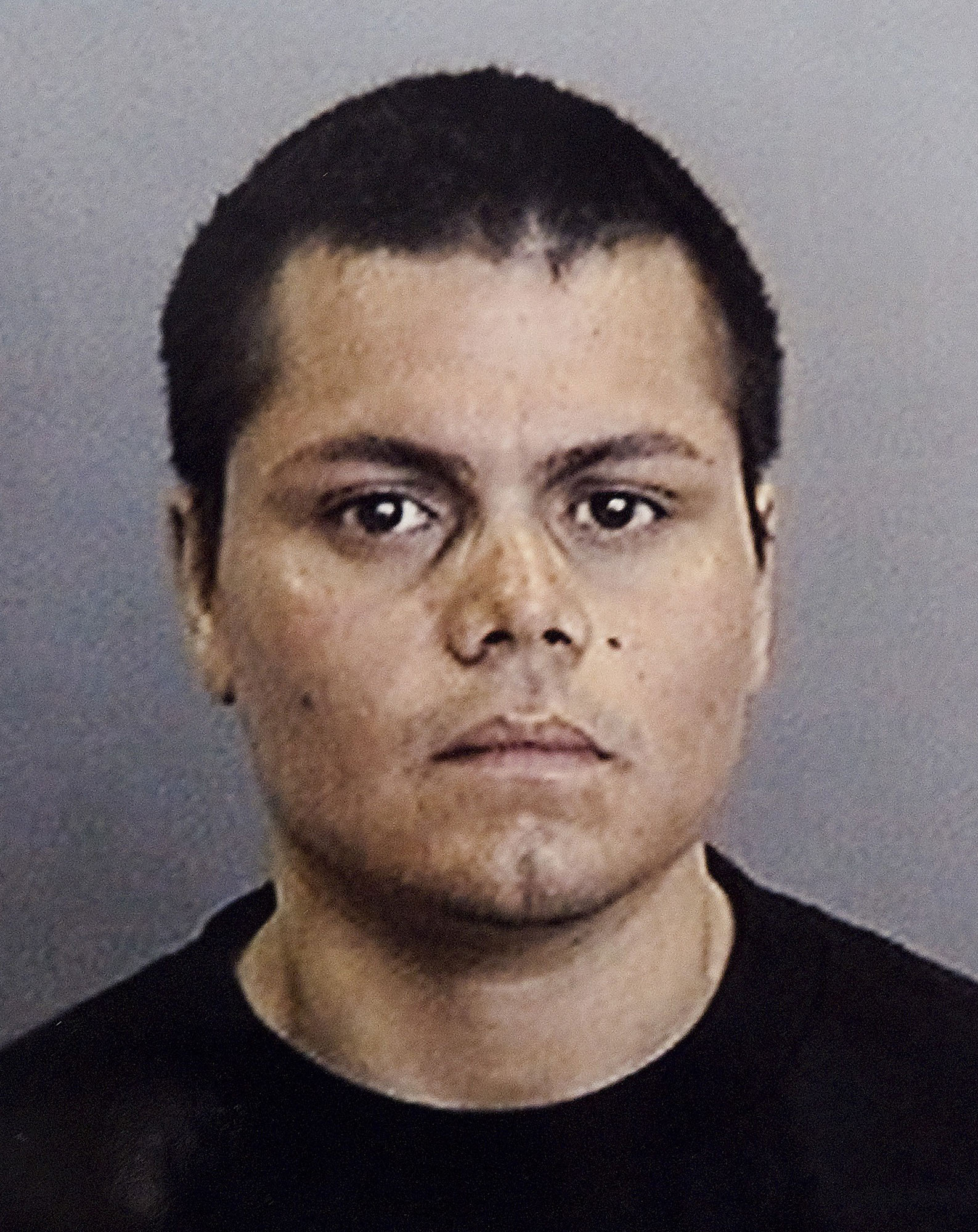
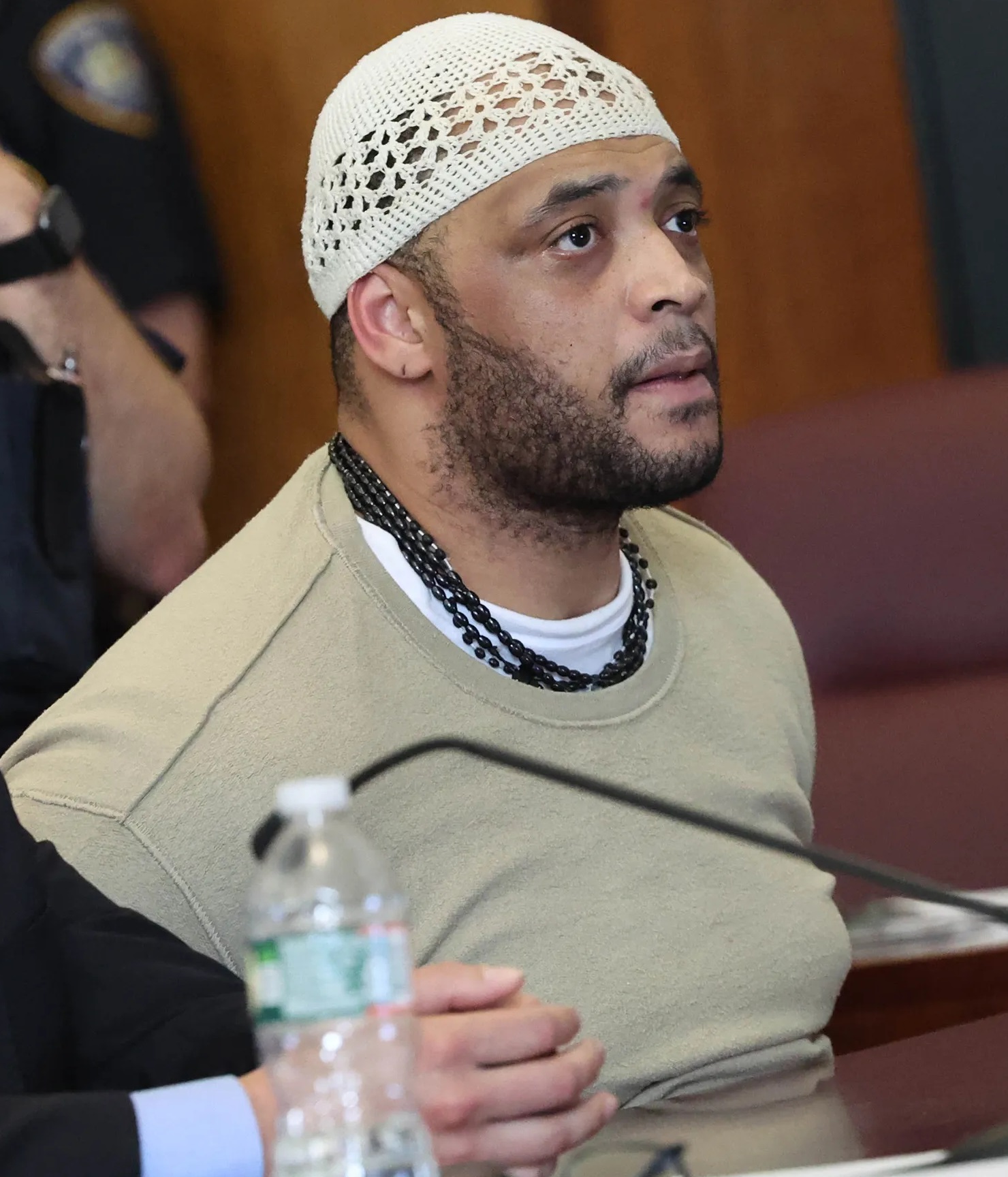
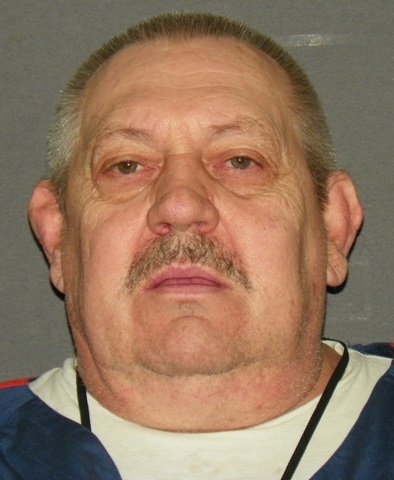
Franc Cano is an American serial killer and convicted sex offender who, together with fellow registered sex offender Steven Dean Gordon, kidnapped, sexually assaulted, and murdered four women in Orange County, California, between October 2013 and March 2014. The killings occurred while Cano was being monitored by authorities with a GPS ankle device, a circumstance that would ultimately become one of the most important pieces of evidence used to identify him.
Cano and Gordon targeted vulnerable women in areas of Santa Ana and Anaheim associated with street prostitution. Prosecutors said the men abducted their victims and took them to an Anaheim paint and body shop where the two men were staying. The women were sexually assaulted and murdered, and their bodies were then disposed of in an attempt to prevent investigators from discovering what had happened. Three of the four victims have never been found.
The murder series remained largely hidden because the first three women simply disappeared. The case finally began to unravel in March 2014, when the body of the fourth victim, 21-year-old Jarrae Nykkole Estepp, was discovered at an Anaheim recycling facility. Her death gave detectives the physical evidence they needed to connect Cano and Gordon to a series of previously unexplained disappearances.
Franc Cano and Steven Dean Gordon
Cano and Gordon knew each other before the murders and had histories as convicted sex offenders. Both men had also demonstrated a willingness to evade supervision. In 2012, the pair removed their electronic monitoring devices and fled California together, traveling to Las Vegas under false names before federal authorities arrested them.
After their release from custody, the two continued associating with one another. By 2013, Cano and Gordon were spending considerable time around Santa Ana and Anaheim. They were described as transients and were staying in or around the rear portion of a paint and body shop in Anaheim. The business and surrounding industrial area would later become central to the murder investigation.
Despite their criminal histories, Cano and Gordon were again living in the community under government supervision. Cano was wearing a GPS monitoring device during the period in which the murders occurred. Rather than preventing the crimes, however, the electronic tracking records eventually provided investigators with a detailed record showing that Cano had been in important locations connected to the victims.
The Murder of Kianna Rae Jackson
Kianna Rae Jackson was 20 years old and lived in Las Vegas, Nevada. She traveled to Southern California in connection with a court appearance in Santa Ana. Prosecutors determined that on October 6, 2013, Cano and Gordon kidnapped Jackson in Santa Ana.
The men transported Jackson to the Anaheim paint and body shop where they were staying. She was sexually assaulted and murdered there. Her remains were subsequently disposed of and have never been recovered.
Jackson's disappearance initially appeared to be a missing-person case. Her sudden loss of contact concerned her family, but there was no body and little physical evidence showing where she had gone. Only after detectives began reconstructing Cano's and Gordon's movements months later did Jackson's disappearance become part of the larger serial-murder investigation.
The Murder of Josephine Monique Vargas
Eighteen days after Jackson was killed, Cano and Gordon struck again. Josephine Monique Vargas, a 34-year-old mother, disappeared from Santa Ana on October 24, 2013.
According to prosecutors, Cano and Gordon kidnapped Vargas and brought her to the same Anaheim paint and body shop used in Jackson's murder. Vargas was sexually assaulted and murdered. Her body was then concealed or disposed of and has never been located.
Vargas's disappearance initially gave investigators no obvious reason to connect her to Jackson. Both women had vanished in the Santa Ana area, but without bodies, crime scenes, or known suspects, detectives had little evidence demonstrating that the disappearances were homicides committed by the same offenders.
The Murder of Martha Anaya
On November 12, 2013, 28-year-old Martha Anaya became the third known victim. Cano and Gordon kidnapped Anaya from Santa Ana and transported her to the Anaheim location where Jackson and Vargas had been killed.
Prosecutors said Anaya was sexually assaulted and murdered at the paint and body shop. Accounts developed during the investigation indicated that she resisted her attackers. Like Jackson and Vargas, Anaya disappeared without her remains being recovered.
Her disappearance meant that three women had now vanished from the same general area within little more than a month. Yet investigators still lacked the physical evidence necessary to expose the men responsible. Cano and Gordon continued moving through the community, even though their locations were being electronically recorded through court-ordered monitoring systems.
The Murder of Jarrae Nykkole Estepp
The final confirmed victim was 21-year-old Jarrae Nykkole Estepp, an Oklahoma woman who had recently been in the Anaheim area. On March 13, 2014, Cano and Gordon kidnapped Estepp from west Anaheim and took her to the same paint and body shop associated with the earlier murders.
Estepp was sexually assaulted and murdered. Evidence presented during the investigation indicated that she fought against her attackers. Unlike the first three victims, however, her killers did not succeed in making her body disappear permanently.
Estepp's remains were placed in a dumpster. Garbage collected from the area was subsequently transported to a recycling facility in east Anaheim. On the morning of March 14, 2014, workers at the facility discovered a woman's body among material moving through the plant on a conveyor belt.
Anaheim homicide detectives responded and identified the victim as Jarrae Nykkole Estepp. The discovery transformed the investigation. Detectives finally had a body, physical evidence, a disposal location, and a victim whose movements immediately before her death could be reconstructed.
Known Victims
- Kianna Rae Jackson, 20 – Murdered October 6, 2013. Jackson was kidnapped from Santa Ana, California, and taken to a paint and body shop in Anaheim, where prosecutors said Cano and Gordon sexually assaulted and murdered her. Her body has never been recovered.
- Josephine Monique Vargas, 34 – Murdered October 24, 2013. Vargas was kidnapped from Santa Ana and transported to the same Anaheim paint and body shop, where she was sexually assaulted and murdered. Her body has never been recovered.
- Martha Anaya, 28 – Murdered November 12, 2013. Anaya was kidnapped from Santa Ana and taken to the Anaheim paint and body shop. She was sexually assaulted and murdered, and her remains have never been located.
- Jarrae Nykkole Estepp, 21 – Murdered March 13, 2014, in Anaheim, California. Estepp was kidnapped from west Anaheim, sexually assaulted, and murdered at the paint and body shop. Her body was disposed of in a dumpster and discovered the following morning, March 14, at a recycling facility in east Anaheim.
The GPS Evidence
The electronic monitoring intended to supervise Cano became a crucial tool in solving the murders. Investigators reviewing Estepp's final movements discovered that Cano's GPS records placed him in areas connected with her shortly before her death and with the location where her body had apparently been discarded.
Once detectives recognized Cano as a potential suspect, they began examining his movements during the disappearances of the other women. The electronic records revealed significant connections between Cano and the places where Jackson, Vargas, and Anaya had last been seen.
Investigators also knew that Cano frequently associated with Steven Gordon. Detectives therefore examined Gordon's electronic monitoring and telephone records as well. The combined evidence began creating a timeline connecting both men to the victims and to the Anaheim industrial area where prosecutors determined the murders had occurred.
Physical and Digital Evidence
Estepp's body provided evidence unavailable in the first three cases. DNA evidence connected both Cano and Gordon to her. Investigators combined that physical evidence with GPS information, cellular telephone records, text communications, and the known movements of the two suspects.
The electronic evidence was especially significant because it allowed detectives to reconstruct events that had taken place months earlier. Locations associated with Cano and Gordon could be compared against the last-known locations of the missing women. What had initially appeared to be separate disappearances increasingly formed a consistent pattern.
Investigators concluded that Cano and Gordon had systematically preyed upon women they believed would be vulnerable and whose disappearances might attract less immediate attention. The men used the Anaheim paint and body shop as a location where the victims could be taken away from public view, assaulted, and killed.
Arrests
On April 11, 2014, less than a month after Estepp's body was discovered, authorities arrested Cano and Gordon in Anaheim. Both men were accused of responsibility for all four killings.
The arrests stunned the community in part because both suspects had been registered sex offenders under electronic supervision. Investigators subsequently examined whether the pair might have been responsible for additional disappearances or killings, although the four women remain their confirmed murder victims.
A grand jury indicted Cano on October 2, 2014. He faced four felony counts of special-circumstances murder and four counts of forcible rape. The special circumstances alleged against him included multiple murders and murders committed during kidnapping and rape. Prosecutors initially intended to seek the death penalty.
Steven Gordon's Confession and Trial
The cases against the two men proceeded separately. Gordon eventually provided investigators with extensive information about the killings. His statements helped authorities reconstruct how the women were abducted, taken to the Anaheim industrial property, assaulted, killed, and disposed of.
Gordon went to trial before Cano. A jury convicted Gordon in 2016 of murdering Kianna Jackson, Josephine Vargas, Martha Anaya, and Jarrae Estepp. He was sentenced to death in February 2017.
The prosecution of Cano continued for years afterward. Unlike Gordon, Cano did not proceed through a completed jury trial. His case ultimately ended with an admission of guilt.
Franc Cano Pleads Guilty
On December 15, 2022, Franc Cano pleaded guilty to the charges against him, admitting his responsibility for kidnapping, raping, and murdering the four women.
Before the plea, prosecutors had reconsidered their intention to seek Cano's execution after reviewing mitigation information provided by his defense and consulting with the victims' families and investigators. The decision allowed the case to conclude with Cano permanently imprisoned rather than facing a death-penalty trial.
Cano was immediately sentenced to life in prison without the possibility of parole. The sentence ensured that he would never again be released into the community.
The Three Victims Who Remain Missing
Although Cano admitted murdering all four women, the case retains an especially painful unresolved element. The bodies of Kianna Jackson, Josephine Vargas, and Martha Anaya have never been recovered.
Investigators know from the evidence and admissions that the women were killed, but their final resting places remain unknown. Jarrae Estepp was the only victim whose remains were recovered, and it was the discovery of her body that ultimately exposed the entire series of murders.
Without Estepp's recovery at the Anaheim recycling facility, the disappearances of Jackson, Vargas, and Anaya might have remained separate missing-person investigations for far longer. Her identification allowed investigators to uncover the electronic trail leading to Cano and then to Gordon.
Legacy of the Case
The Franc Cano and Steven Gordon murders became a disturbing example of both the usefulness and limitations of electronic monitoring. The men committed multiple murders while one or both were subject to GPS supervision. The technology did not stop the crimes as they occurred, but the records preserved by the monitoring systems later became instrumental in identifying the killers.
The investigation also drew attention to the vulnerability of women involved in street prostitution. Cano and Gordon selected victims from circumstances that they apparently believed would make the women easier to isolate and their disappearances less likely to expose them immediately. For months, that assumption worked: three women disappeared before the discovery of Estepp finally provided detectives with the evidence necessary to reveal the pattern.
Franc Cano's guilty plea closed the criminal prosecution nearly nine years after the murders began. He remains convicted of the murders of Kianna Rae Jackson, Josephine Monique Vargas, Martha Anaya, and Jarrae Nykkole Estepp and is serving life imprisonment without the possibility of parole. The case remains especially haunting because three of those women have never been recovered, leaving their families without the opportunity to bring their remains home.