Anna Hauptreif: The Alleged Poisoner of Hays County, Texas
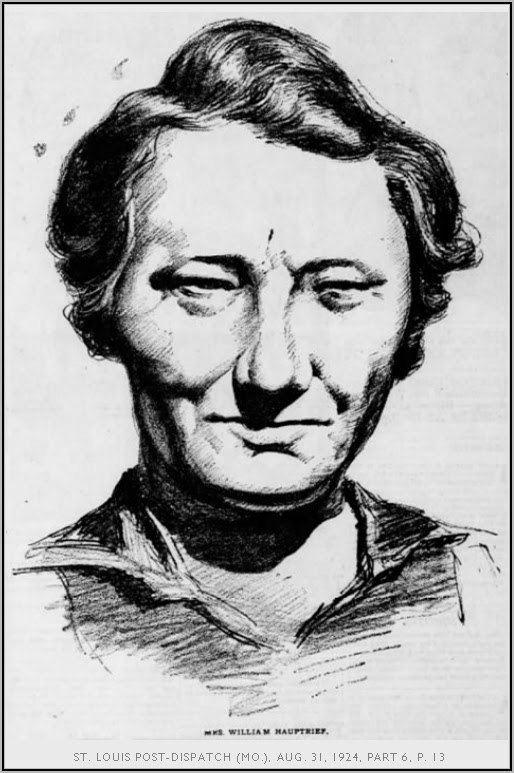
Anna Hauptreif, sometimes identified in historical reports as Anna Schulze, Anna Schroeder, Annie Hauptreif, or Annie Hauptrief, was a Texas woman accused of poisoning her first husband, four stepchildren, and her second husband during the early 1920s. Newspapers portrayed her as a serial killer and called her the “Texas Black Widow.” However, Anna died before her case went to trial, so she was never convicted of murder.
The case centered on a disturbing series of deaths in the Hauptreif household near Niederwald and the Goforth farming community in Hays County, Texas. Within approximately seven months in 1923, all four of William Hauptreif’s young children died after suffering similar gastrointestinal illnesses. Investigators later found arsenic in the body of the final child to die. When William developed comparable symptoms in 1924, authorities began to suspect that the tragedies were not natural illnesses but deliberate poisonings.
Early Life
Anna Schulze was born on June 22, 1894, in or near Niederwald, Texas, a small community in Hays County southeast of Austin. She came from a locally known family and spent much of her early life in the rural communities surrounding Niederwald and San Marcos.
Little reliable information survives about Anna’s childhood, education, or personality before her marriages. Later accounts often described her as emotional and dramatic, particularly during funerals. These descriptions came largely from newspaper coverage published after she had already become a murder suspect and should therefore be treated cautiously.
Marriage to Kurt Schroeder
In June 1921, when Anna was twenty-seven years old, she married Kurt Schroeder, a German immigrant. The marriage lasted only a few months.
Schroeder became seriously ill and died in September 1921. His death was initially attributed to complications associated with an appendectomy, anesthesia, or another medical problem. Nothing about the death immediately resulted in a criminal investigation.
Witnesses later recalled that Anna displayed intense grief at Schroeder’s funeral. She reportedly cried loudly and threw herself into mourning. At the time, her behavior was viewed as the reaction of a devastated young widow rather than evidence of wrongdoing.
After the deaths in the Hauptreif family attracted official attention, investigators reconsidered Schroeder’s death. Authorities came to believe that he might also have been poisoned with arsenic. His remains were reportedly examined during the wider investigation, and Anna was eventually accused of responsibility for his death. Because she died before trial, the accusation was never tested before a jury.
Marriage to William Louis Hauptreif
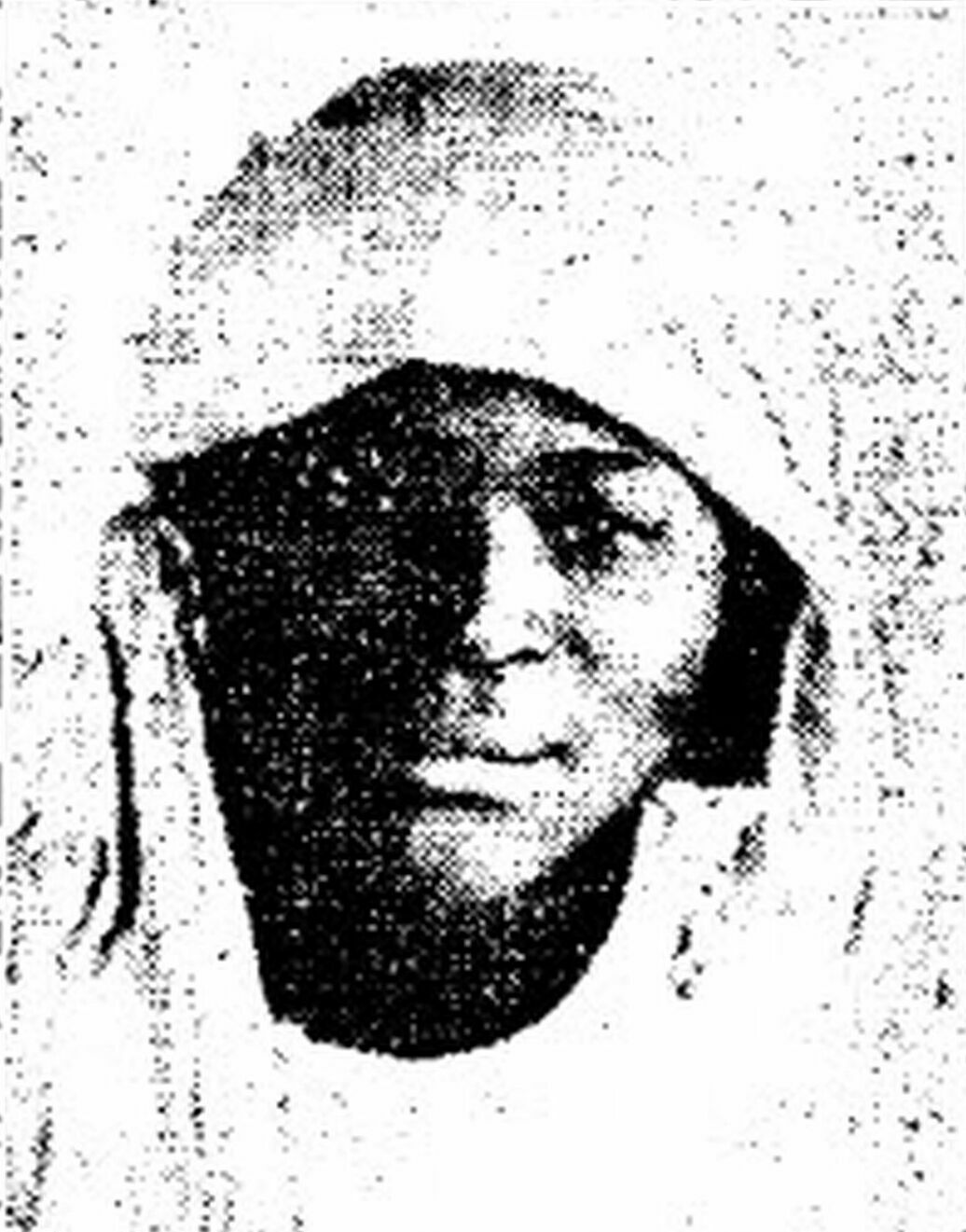
Anna later became involved with William Louis Hauptreif, an older farmer and widower who lived in the Goforth area of Hays County. William’s first wife, Augusta Kallweit Hauptreif, had died in 1916. He had a large family, although four of his children were still living in the household when he married Anna.
William and Anna married on November 1, 1922. The four children living with them were Walter, Lydia, Herbert or Hubert, and Annie Hauptreif. Historical sources sometimes spell Herbert’s name as Hubert, and surviving records differ concerning the exact ages of some of the children.
Only a few months after the marriage, the children began falling ill. Their symptoms were described as severe abdominal pain, vomiting, diarrhea, weakness, and convulsions. These symptoms could resemble a serious intestinal infection, contaminated food, or another natural illness. They were also consistent with arsenic poisoning.
The Death of Lydia Hauptreif
Lydia Hauptreif was the first of the four children to die. She became ill in the spring of 1923 and suffered from a violent stomach condition. Lydia died on April 7, 1923, in Hays County, Texas.
Contemporary observers did not immediately treat Lydia’s death as a homicide. Rural families in the early twentieth century faced infectious diseases, limited medical care, and difficulties obtaining accurate diagnoses. Her symptoms were therefore attributed to an unidentified illness.
Later reports disagreed about Lydia’s age. Some accounts described her as ten years old, while genealogical and memorial records indicate that she was born in 1910 and was approximately twelve or thirteen when she died.
The Death of Walter Hauptreif
Walter Hauptreif became sick shortly after Lydia’s death. He reportedly developed the same pattern of abdominal distress, vomiting, diarrhea, and physical weakness.
Walter died on April 11, 1923, only four days after Lydia. He was approximately fourteen years old. His death occurred in the Hauptreif family’s area of Hays County, near Niederwald and Goforth.
The deaths of two children within four days were alarming, but they were initially viewed as the result of the same contagious or environmental illness. There was no immediate autopsy establishing that Walter had been poisoned.
The Death of Herbert or Hubert Hauptreif
The third child, generally identified in family records as Herbert Hauptreif but called Hubert in some newspaper accounts, also became seriously ill. He endured severe pain, vomiting, diarrhea, and progressive weakness over a period of days or weeks.
Herbert died on May 4, 1923, in Hays County. He was approximately eight years old. His death meant that three children in the household had died in less than one month.
Anna reportedly displayed intense grief at the children’s funerals, just as she had after Kurt Schroeder’s death. Later writers treated her public mourning as suspicious, but dramatic grief alone did not prove that she had harmed the children.
Annie Hauptreif Is Sent Away
After Lydia, Walter, and Herbert died, the surviving child, Annie Hauptreif, was sent to stay with her grandparents. While she was living away from the Hauptreif household, she apparently remained healthy.
This detail later became important to investigators. Annie’s survival while separated from the home suggested that the source of the illness might have been inside the household rather than a contagious disease affecting the entire family.
During Annie’s absence, Anna and William had a daughter of their own, Lenora Mae Hauptreif, who was born in the summer of 1923. Unlike the four stepchildren, Lenora survived childhood and lived until 2017.
The Death of Annie Hauptreif
Annie eventually returned from her grandparents’ home. After returning, she developed symptoms resembling those experienced by her siblings.
Annie Hauptreif died on November 11, 1923, at the age of ten. Records identify Austin, Travis County, Texas, as her place of death, indicating that she may have been taken there for medical treatment before she died.
Because Annie was the fourth child in the same family to die within a relatively short period, her death received closer attention. An examination of her body reportedly revealed a substantial amount of arsenic.
The discovery transformed the family tragedy into a possible mass-poisoning investigation. Authorities now had evidence that at least one of the children had not died solely from an ordinary stomach illness.
Known and Alleged Victims
- Kurt Schroeder — Anna’s first husband. He died in September 1921, only a few months after marrying Anna. His death was initially attributed to medical complications but was later investigated as a possible arsenic poisoning. The precise day and location of his death are not consistently established in surviving public accounts.
- Lydia Hauptreif — Anna’s stepdaughter. She died on April 7, 1923, in Hays County, Texas, after suffering severe gastrointestinal symptoms. She was approximately twelve or thirteen years old, although some reports listed her as ten.
- Walter Hauptreif — Anna’s stepson. He died on April 11, 1923, in Hays County, Texas, four days after Lydia. He was approximately fourteen years old and experienced an illness similar to Lydia’s.
- Herbert “Hubert” Hauptreif — Anna’s stepson. He died on May 4, 1923, in Hays County, Texas, after weeks of pain, vomiting, diarrhea, and weakness. He was approximately eight years old.
- Annie Hauptreif — Anna’s stepdaughter and the last of William’s four children living in the household. She died on November 11, 1923, in Austin, Travis County, Texas, at the age of ten. An examination reportedly detected arsenic in her body.
- William Louis Hauptreif — Anna’s second husband and an alleged attempted-murder victim. He survived after becoming violently ill in 1924. His symptoms reportedly included vomiting, abdominal distress, convulsions, weakness, and partial paralysis.
The Suspected Method of Poisoning
Investigators believed arsenic was the substance used in the Hauptreif poisonings. During the early twentieth century, arsenic was present in several products used in rural households, including pesticides, insect killers, rat poison, livestock treatments, and certain medicinal compounds.
Arsenic was historically associated with secret poisoning because it could be mixed into food or liquid without immediately revealing its presence. Repeated small doses could produce worsening illness over time, while a larger dose could cause violent abdominal pain, vomiting, diarrhea, dehydration, convulsions, circulatory collapse, and death.
Those symptoms closely resembled severe food poisoning, dysentery, cholera, or other gastrointestinal diseases. Before modern toxicological testing became widely available, a poisoning death could therefore be mistaken for natural illness.
Reports concerning the Hauptreif investigation stated that arsenic or an arsenic-containing product was found in or near the family home. The discovery did not by itself prove that Anna administered it, since arsenic-based products were not uncommon on farms. However, when combined with the children’s similar illnesses and the arsenic reportedly found in Annie’s body, it became a central part of the case against her.
The Poisoning of William Hauptreif
In the summer of 1924, William Hauptreif began suffering symptoms similar to those that had preceded the deaths of his children. He reportedly became sick while working in a field and experienced severe vomiting, stomach pain, convulsions, and weakness.
William survived, but his condition was grave. Some reports stated that the illness left him temporarily or permanently disabled and that he experienced paralysis or lasting physical damage.
Medical examination reportedly indicated arsenic poisoning. William’s survival provided investigators with a living victim whose illness closely matched the earlier pattern in the household.
Although William reportedly continued to express affection for Anna after her arrest, authorities believed she had attempted to kill him. His possible motive for defending her remains unclear. He may have genuinely believed she was innocent, may have struggled to accept the accusations, or may have remained emotionally attached to her despite the evidence.
Exhumations and the Investigation
By July 1924, authorities were examining whether the deaths of the Hauptreif children were connected. The bodies of several children were exhumed so that investigators could search for traces of poison.
Arsenic can remain in human tissue for a long period, making exhumation particularly valuable in suspected arsenic cases. Investigators reportedly obtained evidence supporting the poisoning theory, although surviving accounts do not provide a complete and consistent laboratory record for every victim.
The investigation expanded to include Kurt Schroeder. His sudden death, Anna’s rapid remarriage, the deaths of all four stepchildren, and William’s near-fatal illness created a pattern that prosecutors believed could not be explained by coincidence.
Authorities also considered whether anyone else might have participated in the crimes. Some reports stated that another person connected to Anna was questioned or arrested on suspicion of conspiracy but was later released. No second person was ultimately tried for the deaths.
Possible Motives
No motive was conclusively established because Anna never went to trial. Prosecutors and newspaper writers proposed several possibilities.
One theory involved inheritance and control of William Hauptreif’s property. As William’s children died, Anna and her biological child could potentially receive a larger share of his estate. If William also died, Anna might gain control of property, money, or farmland that otherwise would have been divided among his surviving children.
Another theory suggested that Anna resented the responsibilities associated with caring for four stepchildren. This idea appeared frequently in sensational reporting but was not supported by a confession or a completed criminal trial.
Investigators also had to consider alternative suspects and explanations. William had financial interests, other relatives might have benefited from deaths in the family, and arsenic could have been present on the farm for ordinary purposes. The prosecution would have needed to connect Anna directly to the administration of poison rather than merely establish that poison existed in the household.
Anna’s Arrest
Anna was arrested in 1924 and confined in the Hays County Jail in San Marcos, Texas. She faced accusations involving the deaths of Kurt Schroeder and her four stepchildren, as well as the attempted poisoning of William Hauptreif.
Newspaper coverage described the case as one of the most sensational criminal investigations in Texas. Anna was portrayed as a calculating woman who had quietly eliminated one family member after another. Headlines frequently treated her guilt as established even though no jury had heard the evidence.
Anna denied responsibility for the deaths. No verified confession is known to exist. Her defense would likely have challenged the toxicological findings, the handling of the exhumed remains, the absence of eyewitnesses, and the prosecution’s inability to prove when or how she administered poison.
Death in the Hays County Jail
Anna never reached trial. During the early morning of October 31, 1924, she was found hanging in her cell on the second floor of the Hays County Jail in San Marcos.
She had reportedly used a strip of cloth or the waistband from an undergarment to hang herself from the bars or door of the cell. Anna was thirty years old and reportedly pregnant with her second child at the time.
Her death ended the prosecution. Because there was no trial, prosecutors never presented their complete case in open court, defense attorneys never cross-examined the witnesses, and a jury never decided whether the evidence proved murder beyond a reasonable doubt.
Anna was buried in Live Oak Cemetery near Uhland, Texas. Her burial arrangements reportedly caused disagreement between members of her family and the Hauptreif family.
Was Anna Hauptreif a Serial Killer?
Anna Hauptreif is frequently described as one of the earliest known female serial killers in Texas. The label is based on the five deaths attributed to her and the alleged attempt to poison William.
There was substantial circumstantial evidence against her. Four children in one household died after similar illnesses. Arsenic was reportedly found in Annie’s body. William survived an illness diagnosed as arsenic poisoning. Anna had access to the victims, and her first husband’s earlier death was later considered suspicious.
Nevertheless, important limitations remain. Anna was never convicted. No surviving account establishes that anyone saw her place arsenic in food or medicine. The toxicological evidence for every alleged victim is not equally well documented, and details in later retellings sometimes conflict with contemporary records.
For those reasons, it is most accurate to describe Anna as an alleged serial poisoner or accused serial killer rather than as a legally proven murderer.
Historical Significance
The Hauptreif case illustrates the fear surrounding household poisoning during the late nineteenth and early twentieth centuries. Arsenic was readily available, its symptoms could resemble natural disease, and the person preparing meals or caring for sick relatives often had repeated private access to potential victims.
The case also demonstrates the limits of historical criminal reporting. Sensational newspaper stories provided names, dates, accusations, and dramatic descriptions, but they did not always distinguish verified evidence from rumor. Variations in spelling, ages, and locations continue to appear in modern accounts.
Anna Hauptreif’s death prevented a legal resolution. The evidence created a powerful appearance of guilt, but the absence of a trial means the case remains partly unresolved. Her story survives as a combination of documented family tragedy, early forensic investigation, sensational journalism, and local legend.
Legacy and Local Legend
The old Hays County Jail later became associated with stories of paranormal activity. Visitors and investigators have claimed to hear unexplained sounds, feel sudden touches, or sense a presence near the upstairs area where Anna died.
These stories are part of local folklore and cannot establish anything about the murder allegations. They have nevertheless helped preserve public interest in Anna’s case more than a century after the deaths.
Behind the legends were five people who lost their lives and one man who survived a devastating illness. Lydia, Walter, Herbert, and Annie Hauptreif were children whose repeated suffering was initially mistaken for disease. Kurt Schroeder’s death became suspicious only after the later poisonings. William Hauptreif survived but lost all four children who had been living with him.
The exact extent of Anna Hauptreif’s responsibility may never be known. What is certain is that the sequence of deaths, the discovery of arsenic, William’s near-fatal poisoning, and Anna’s suicide created one of the darkest and most controversial criminal cases in early Texas history.