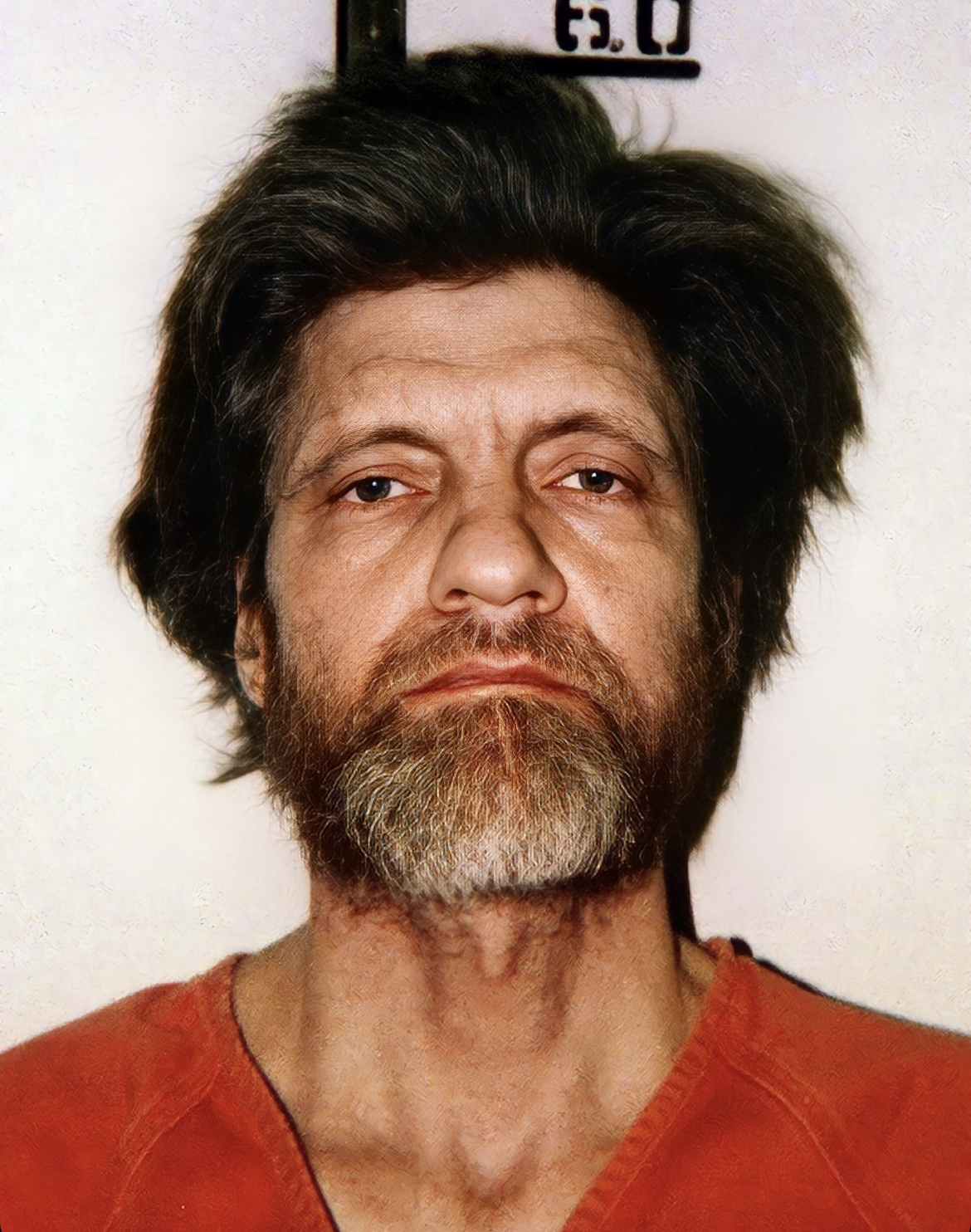
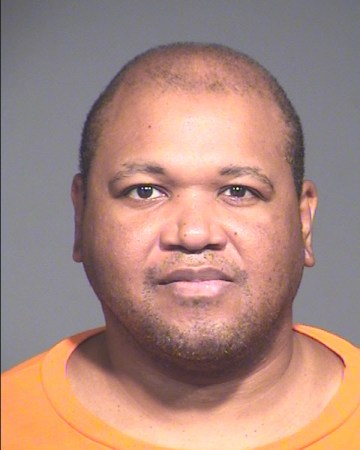
Otha Harrison Hart: The Nursing-Home Orderly Who Confessed to Four Insulin Killings
Otha Harrison Hart was an American nursing-home orderly who confessed to administering massive doses of insulin to four vulnerable patients in Eugene, Oregon, during 1979. Hart described the deaths as acts of mercy, claiming that the patients were suffering and wanted him to end their lives. However, serious questions remained about whether every victim was capable of requesting death or legally consenting to what Hart did. One of the patients was reportedly unconscious and in a coma when Hart injected him.
Although Hart admitted causing four deaths, he was not ultimately convicted of murder. Problems with physical evidence, the original classification of the deaths as natural, and Oregon's requirement that a confession be supported by independent evidence complicated the prosecution. Hart eventually pleaded guilty to reduced charges of attempted murder and received concurrent prison sentences.
Early Life and Employment
Otha Harrison Hart was born on November 20, 1949, in Lancaster County, Nebraska. As an adult, he moved to Oregon and worked as an orderly at a nursing facility in Eugene. His position placed him in direct contact with elderly, seriously ill and medically dependent patients.
Hart was diabetic and had access to insulin prescribed for his own condition. That access became central to his crimes. Rather than using a visibly violent method, Hart allegedly carried his insulin into the facility and injected selected patients with extraordinarily large doses.
Insulin regulates the amount of glucose in the blood. In a person who does not medically require such a dose, an extreme insulin overdose can cause dangerously low blood sugar, confusion, weakness, seizures, unconsciousness, irreversible brain injury and death. In 1979, an unexpected insulin death could be particularly difficult to identify after the victim had died, especially when the person was already elderly or critically ill.
The 1979 Deaths
Hart said that he killed four patients during the early months of 1979. The victims were Carol Dudley Miller, Ileen Donnor, Lee Jackson Zumwalt Sr. and Frank Jesse Stanton Jr. Three were elderly patients. Stanton was only 22 years old but was reportedly in a coma.
According to Hart's statements, he used approximately 300 units of regular insulin on each victim. This was an enormous quantity capable of producing fatal hypoglycemia. He reportedly concealed the insulin in his clothing while working and administered the injections when he had access to the patients.
Hart later maintained that the killings were intended to relieve suffering. His description caused the case to be characterized in some reports as a series of “mercy killings.” That expression does not change the fundamental circumstances: Hart was a caregiver who deliberately administered unauthorized, potentially fatal medication to people under institutional care.
Known Victims
- Carol Dudley Miller, 89 — Died on January 26, 1979, in Eugene, Lane County, Oregon. Miller was reportedly conscious and aware when Hart administered the insulin. Miller was buried at Rest-Haven Memorial Park in Eugene.
- Ileen Donnor, 86 — Died on February 17, 1979, in Eugene, Lane County, Oregon. She was also identified in contemporary accounts as Mrs. Vernon Donnor. Hart claimed that Donnor was awake and aware when he injected her. She was buried at West Lawn Memorial Park in Eugene.
- Lee Jackson Zumwalt Sr., 86 — Died on February 17, 1979, in Lane County, Oregon. Records associate him with both Eugene and nearby Junction City. Hart claimed that Zumwalt was conscious and understood what was happening. Hart later recalled that Zumwalt kissed his hand before the injection. Because this account came from Hart, it cannot independently establish that Zumwalt freely requested or consented to being killed.
- Frank Jesse Stanton Jr., 22 — Died in 1979 in or near Eugene, Lane County, Oregon. A reliable exact date of death has not been established in the publicly available case information. Stanton was reportedly comatose when Hart injected him, making him incapable of communicating a request or giving consent at that time.
Carol Dudley Miller
Carol Dudley Miller was the first of the four known patients to die. Miller was born on December 16, 1889, and died on January 26, 1979, at the age of 89. Hart later included Miller among the patients he said he had deliberately injected with insulin.
Contemporary descriptions indicated that Miller was awake and aware at the time of the injection. Hart portrayed his actions as a response to suffering, but no independent evidence established that Miller had made a legally valid request to die. The death was not initially treated as a homicide, allowing Hart's involvement to remain undiscovered.
Ileen Donnor
Ileen Donnor died in Eugene on February 17, 1979. She was 86 years old. Her death was originally accepted as consistent with natural or medical causes rather than recognized as the result of a deliberately administered drug.
Hart later confessed that he injected Donnor with a lethal quantity of insulin. Donnor became one of the two victims whose deaths led to aggravated-murder charges after Hart's confession became known. Hart said that she was conscious at the time, but the evidence available years later could not independently prove what she had said or understood before the injection.
Lee Jackson Zumwalt Sr.
Lee Jackson Zumwalt Sr. was born in 1892 and died on February 17, 1979, at the age of 86. His death occurred in Lane County, Oregon, and has been associated with both Eugene and Junction City in available records.
Hart provided one of his most disturbing descriptions when discussing Zumwalt. He claimed the elderly patient kissed Hart's hand before receiving the insulin. Hart interpreted the gesture as acceptance of what he was about to do. A gesture, however, cannot establish informed consent, particularly when the person involved is ill, dependent on a caregiver and living in a medical facility.
Zumwalt's death was one of the two cases in which prosecutors initially charged Hart with aggravated murder. As with Donnor, investigators faced the problem that the body had not originally been examined as the victim of a suspected poisoning.
Frank Jesse Stanton Jr.
Frank Jesse Stanton Jr. was markedly different from the other known victims because he was only 22 years old. He was reportedly in a coma when Hart administered the insulin. The precise date of Stanton's death has not been conclusively established in accessible records, although his death occurred during 1979 and was connected to Hart's work in Eugene.
Stanton's medical condition directly contradicted the broad suggestion that all four patients personally asked Hart to end their suffering. A person in a coma could not make such a request immediately before an injection or knowingly consent to it. Hart nevertheless admitted including Stanton among the four people he killed.
Authorities did not bring the same aggravated-murder charge in Stanton's death that they initially filed in the Donnor and Zumwalt cases. Contemporary reporting indicated that prosecutors did not publicly explain why murder charges were not filed for Stanton and Miller.
Why the Deaths Were Not Immediately Detected
The victims were receiving institutional medical care, and several were elderly or gravely ill. Their deaths could therefore be attributed to existing health problems without creating immediate suspicion. Hart selected a method that did not leave the obvious injuries associated with shooting, stabbing, strangulation or blunt-force trauma.
Insulin also presented investigators with a serious forensic problem. It is naturally present in the body, breaks down rapidly and can be difficult to identify after death. Once the victims had been buried and considerable time had passed, proving that an unlawful insulin injection caused each death became extremely difficult.
The original death determinations were important because no one preserved the type of evidence that would normally be collected in a suspected poisoning. There were no timely toxicology tests directed specifically at insulin, no immediate criminal autopsies and no documented observation of Hart administering the fatal doses.
Hart's Confession in Nebraska
After the deaths, Hart left Oregon and returned to Nebraska. In October 1983, he approached police in Lincoln and confessed that he had killed four patients while working in Eugene. His admission transformed four deaths previously regarded as natural or medically explainable into possible homicides.
Hart identified the victims and described his method. He said he had injected them with his own insulin because he wanted to stop their suffering. His knowledge of the patients and his description of the injections gave investigators a detailed account, but a confession alone did not resolve the evidentiary problems.
Oregon law required prosecutors to corroborate a confession with independent evidence demonstrating that a crime had occurred. Hart's defense argued that authorities had no physical proof that the patients died from unlawful acts. The passage of approximately four years made obtaining that proof even more difficult.
Extradition and Aggravated-Murder Charges
Hart was returned from Nebraska to Eugene to face prosecution. On November 30, 1983, he entered not-guilty pleas to aggravated-murder charges involving the deaths of Ileen Donnor and Lee Zumwalt.
The prosecution did not initially bring equivalent murder charges for the deaths of Carol Dudley Miller and Frank Jesse Stanton Jr. Reports from the period stated that Lane County District Attorney Pat Horton did not publicly disclose the reason those two deaths were excluded from the aggravated-murder prosecution.
Hart's lawyers challenged whether the state possessed sufficient independent evidence to prove homicide. The defense emphasized that the deaths had originally appeared natural and that investigators could no longer reliably demonstrate the presence of injected insulin in the victims' remains.
Attempt to Change His Plea
During a court appearance in January 1984, Hart unexpectedly announced that he wanted to change his plea from not guilty to guilty. The statement reportedly surprised both his attorneys and the court. The judge did not immediately accept a murder plea while questions remained about the legal and factual basis of the charges.
The unusual situation demonstrated the central conflict in the case. Hart openly insisted that he had caused the deaths, yet the state still had to meet the legal requirements necessary to convict him. A defendant's willingness to confess did not eliminate the court's responsibility to determine whether the charged crimes could be supported by admissible evidence.
The Plea Agreement
In March 1984, Hart accepted a plea agreement. The aggravated-murder charges were reduced to attempted-murder charges. He pleaded guilty to the reduced offenses rather than stand trial for aggravated murder.
The result appeared contradictory because the four patients were dead, yet Hart was convicted of attempting to kill rather than legally causing their deaths. The attempted-murder resolution reflected the prosecution's inability to conclusively prove that Hart's injections had caused the deaths, not a conclusion that the patients had survived.
Hart received concurrent 20-year prison sentences. Because the sentences ran concurrently, they were served at the same time rather than one after another. The agreement ensured that Hart would be imprisoned while avoiding a murder trial built largely around an uncorroborated confession and medically difficult death investigations.
The Question of “Mercy Killing”
Hart presented himself as someone who acted out of sympathy rather than anger, financial gain or personal hatred. He claimed that the patients were suffering and wanted him to intervene. That explanation has caused him to be described as a “mercy killer,” but the label can obscure the imbalance of power between Hart and his victims.
Hart was an employee entrusted with the care and safety of medically vulnerable people. He was not authorized to decide when a patient should die. He did not act through a legal end-of-life procedure, under the direction of a physician or with documented informed consent.
The case of Frank Stanton is especially significant. Because Stanton was reportedly comatose, he could not have requested the fatal injection at the time it was administered. His condition raises substantial doubt about Hart's claim that every death resulted from a patient's personal appeal for relief.
Even in the cases involving conscious patients, Hart's account was largely the only description of what occurred. There was no neutral witness to confirm the alleged requests. The patients' age, illness and dependence on Hart also raise questions about their ability to understand or resist his actions.
Hart's Death in Prison
Otha Harrison Hart remained incarcerated after his convictions. He died on June 7, 1993, in Marion County, Oregon, while serving his sentence. He was 43 years old and had spent approximately nine years in custody following the 1984 case.
Hart was buried at Stromsburg Cemetery in Stromsburg, Polk County, Nebraska. His death ended the possibility of obtaining a more complete explanation from him or pursuing additional proceedings based on new evidence.
Classification as a Serial Killer
Hart is commonly included in lists and databases of serial killers because he confessed to deliberately killing four separate patients. All four known deaths occurred during 1979, apparently within the same nursing-care environment and through the same method.
His legal record requires an important qualification. Hart confessed to four killings, but his final convictions were for attempted murder rather than murder. The available physical evidence was insufficient to establish beyond the required legal standard that his injections caused each patient's death.
For that reason, Hart may be described more precisely as a confessed or suspected serial killer whose admitted actions resulted in attempted-murder convictions. The absence of murder convictions does not erase his confession, but it remains necessary to distinguish what Hart claimed from what prosecutors were able to prove in court.
Legacy of the Case
The Otha Harrison Hart case illustrates how easily crimes against elderly, disabled or critically ill patients can remain concealed when their deaths appear medically expected. It also demonstrates the difficulty of investigating healthcare-related killings after records have become incomplete, bodies have been buried and essential toxicology testing was never performed.
Hart's position gave him privacy, medical access and authority over people who had limited ability to protect themselves. His use of insulin allowed the deaths to resemble complications of illness rather than deliberate poisoning. Only his later confession caused authorities to reconsider what had happened.
The case also remains a warning about accepting an offender's preferred explanation. Hart characterized his conduct as compassionate, but he secretly used medication to end patients' lives without lawful authority. At least one victim could not have consented, and the supposed requests of the others were never independently verified.
Carol Dudley Miller, Ileen Donnor, Lee Jackson Zumwalt Sr. and Frank Jesse Stanton Jr. were not merely names attached to a controversial criminal case. They were vulnerable people placed in a setting intended to provide care and protection. Hart's confession revealed that the person assigned to assist patients had instead assumed the power to determine whether they would continue living.