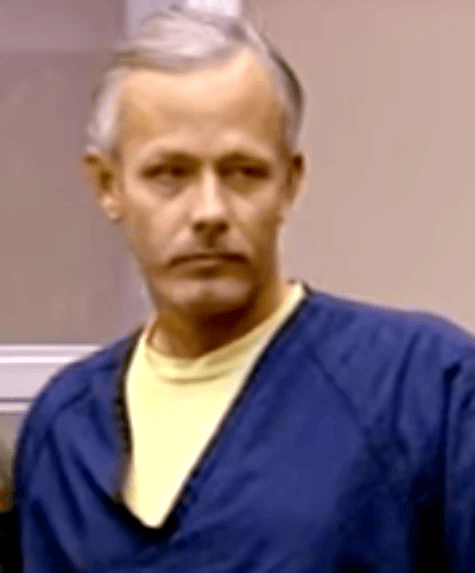
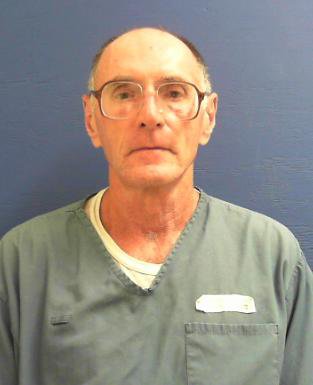
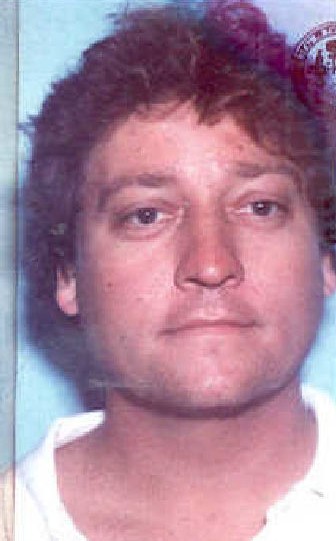
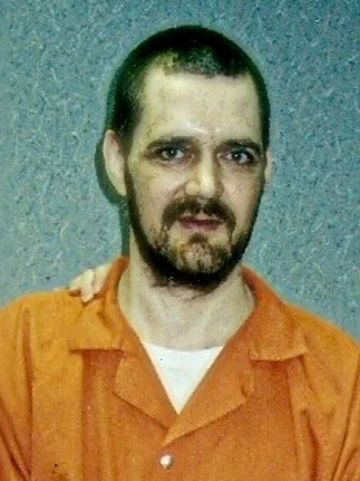
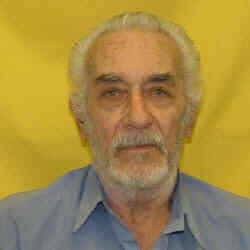
Lester Harrison: The Grant Park Serial Killer
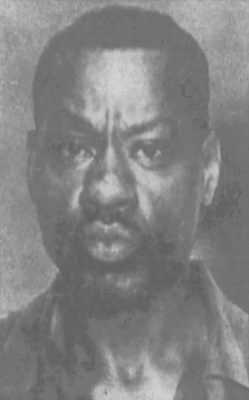
Lester Harrison was an American serial killer and repeat violent offender whose known crimes stretched from a 1951 prison murder to a series of sexual killings in Chicago during the early 1970s. He became particularly associated with Grant Park, where several women were assaulted and murdered between 1970 and 1973.
Harrison confessed to murdering four women in Chicago: Agnes Lehmann, Judith Bettelley, Lee Alexis Wilson and Judith Elaine Ott. He had also previously admitted killing fellow prisoner Norman E. Kimme. Police investigated Harrison in connection with at least two additional women, Irene Koutros and Elizabeth Dawson, although Harrison denied killing them and was never convicted of their deaths.
Despite his confessions, Harrison never faced a conventional murder trial. Courts repeatedly found that his severe mental illness prevented him from being held criminally responsible or from competently participating in legal proceedings. He was ultimately committed to a secure psychiatric institution.
Early Life and Criminal History
Lester Harrison was born on June 7, 1922, in Mississippi. Reliable information about his childhood is limited. By the late 1930s, however, he was reportedly displaying signs of mental illness and becoming involved in criminal activity.
In 1945, Harrison was arrested and convicted of robbery. He received a prison sentence of five to ten years and was incarcerated at the Southern Illinois Penitentiary in Chester, Illinois, an institution later known as Menard Correctional Center.
His imprisonment did not prevent his violence from escalating. In August 1951, Harrison attacked and killed another inmate inside the prison.
The Murder of Norman E. Kimme
On August 10, 1951, 28-year-old prisoner Norman E. Kimme was found fatally injured in the engine room of a prison building at the Southern Illinois Penitentiary. Kimme had been struck repeatedly in the head with an iron rod.
Kimme was a United States Navy veteran who was serving a 14-year sentence for murdering his girlfriend. Harrison admitted that he had beaten Kimme to death and was charged with murder.
Before the case could proceed normally, Harrison underwent psychiatric evaluation. He was found legally insane and unable to stand trial. In January 1952, a judge ordered him confined for psychiatric treatment at the prison's secure hospital.
After spending an unknown period in psychiatric custody, Harrison was declared sufficiently recovered and was eventually released. The decision would later attract intense criticism because Harrison continued to commit violent and sexually motivated crimes.
Continued Arrests and Psychiatric Evaluations
Between the late 1950s and early 1970s, Harrison was arrested repeatedly. The allegations against him included theft, attempted armed robbery, unlawful possession of a weapon, assault and public indecency.
Some cases resulted in short prison sentences or fines. In other proceedings, Harrison was ruled mentally incompetent and sent to psychiatric facilities. His legal status repeatedly shifted between criminal punishment, psychiatric confinement and release.
Harrison sometimes used aliases, including Sylvester B. Hudson and James Bonde. During a 1971 theft case filed under the Hudson name, psychiatrist Dr. Edward J. Kelleher diagnosed Harrison with paranoid schizophrenia. On that occasion, however, Harrison was considered competent to stand trial.
He was convicted and sentenced, but much of the sentence was credited as time already served in the Cook County Jail. He was soon back on the streets of Chicago.
The Grant Park Hunting Ground
Grant Park is a large public area bordering downtown Chicago and Lake Michigan. During the early 1970s, parts of the park became isolated after dark, particularly around wooded areas, railroad tracks, restrooms and less frequently traveled paths.
Harrison spent considerable time in and around the park. His victims included women who were homeless, visiting Chicago or passing through public areas. Several were sexually assaulted before being beaten or stabbed.
The murders were not initially recognized as the work of one offender. In one case, an innocent man was convicted and imprisoned before Harrison confessed.
Known and Suspected Victims
- Norman E. Kimme, 28 — Killed on August 10, 1951, inside the Southern Illinois Penitentiary in Chester, Illinois. Kimme was beaten in the head with an iron rod. Harrison confessed, but he was found legally insane and committed for psychiatric treatment.
- Agnes Lehmann, 46 — Killed during the night of July 10, 1970, in Grant Park, Chicago, Illinois. Her body was discovered on July 11 near the park's bandshell or in a nearby wooded area. She had been sexually assaulted and beaten to death. Harrison confessed to her murder in 1973.
- Judith Bettelley — Found dead on September 5, 1972, in Grant Park, Chicago, Illinois. Bettelley was a visitor from England who had registered at a Chicago YWCA. She was sexually assaulted and suffered massive injuries to her head. Harrison later confessed to killing her.
- Elizabeth Dawson, 28 — Found dead in August 1972 inside or near a vacant building next to Harrison's Chicago residence. Police investigated Harrison because of the location of the body and similarities to his other crimes. Harrison denied killing Dawson, and the case was not conclusively attributed to him.
- Irene Koutros — Raped and stabbed to death in Chicago in July 1973. Investigators considered Harrison a possible suspect because of similarities between her death and his known attacks. Harrison denied responsibility, and publicly available accounts do not establish a fully verified exact date of death.
- Lee Alexis Wilson, 24 — Killed on August 3, 1973, in Chicago, Illinois. Wilson was a California art student studying at the Art Institute of Chicago. She was sexually assaulted, beaten and stabbed. Harrison confessed to the murder and reportedly described mutilating Wilson's body and taking a piece of flesh from the crime scene.
- Judith Elaine Ott, 30 — Murdered on August 13, 1973, inside a public restroom in Grant Park, Chicago, Illinois. Ott was visiting Chicago with her husband and child. Harrison attempted to sexually assault her and stabbed her repeatedly when she resisted and screamed. He was captured immediately after the attack.
The Murder of Agnes Lehmann
Agnes Lehmann was attacked during the night of July 10, 1970. Her body was found the following morning in Grant Park. She had been sexually assaulted and beaten with such force that the attack caused her death.
That same night, 31-year-old factory worker Wilbur McDonald was found badly beaten and semiconscious near railroad tracks in another part of the park. His skull was fractured, many of his teeth had been knocked out and he appeared to have been the victim of a robbery.
Police found one of McDonald's shoes near Lehmann's body. Although McDonald maintained that an unknown attacker had assaulted both him and Lehmann, investigators treated the shoe as evidence that he had murdered her.
McDonald had no significant criminal history, and the case against him was circumstantial. Nevertheless, he was convicted of Lehmann's murder on August 17, 1971, and sentenced to 150 years in prison.
He remained incarcerated until Harrison confessed in 1973. Harrison provided details that convinced authorities that he, rather than McDonald, had killed Lehmann. McDonald was released after spending approximately three years imprisoned for a crime he did not commit.
The case became a prominent example of wrongful conviction. Illinois Governor Dan Walker later granted McDonald a pardon and formally acknowledged the injustice.
The Murder of Judith Bettelley
On September 5, 1972, police found Judith Bettelley dead in Grant Park. She was a visitor from England and had reportedly registered at a local YWCA.
Bettelley was found without clothing, with items of clothing scattered around the area. She had been sexually assaulted and suffered massive head injuries. Contemporary accounts did not initially establish her exact age, although later summaries commonly described her as approximately 24 years old.
The murder remained unsolved until Harrison's arrest the following year. During questioning, Harrison confessed to killing Bettelley and described information connected to the crime.
Not long after Bettelley's murder, Harrison was arrested for attacking another woman, Cozetta Gladys, with a concrete brick on a Chicago street. Despite the seriousness of the assault and Harrison's history of violence, he was released after posting bail.
The Murder of Lee Alexis Wilson
Lee Alexis Wilson was a 24-year-old student from California who was studying art in Chicago. She was murdered on August 3, 1973, only ten days before Harrison's final attack.
Wilson was sexually assaulted, beaten and stabbed. Her murder displayed the combination of sexual violence and extreme physical brutality associated with Harrison's other attacks.
After his arrest, Harrison confessed to killing Wilson. He reportedly told investigators that he had cut a piece of flesh from one of his victims, taken it to his residence and eaten it. Accounts of the investigation commonly identify Wilson as the victim involved in this act.
The claim added an especially disturbing element to the case. It also demonstrated Harrison's willingness to retain physical reminders of his victims and relive his crimes after leaving the murder scenes.
The Murder of Judith Elaine Ott
On August 13, 1973, Judith Elaine Ott was visiting Grant Park with her husband, David, and their child. The family was visiting Chicago from the Seattle, Washington, area.
Ott entered a public restroom in the park. Harrison followed or encountered her inside and attempted to sexually assault her. Ott resisted and screamed for help. Harrison then stabbed her repeatedly.
Her husband heard the screams and ran toward the restroom. He saw Harrison leaving the area with a knife. Harrison attempted to escape, but David Ott and park employees pursued and restrained him until police arrived.
Judith Ott died from her injuries. Unlike the earlier murders, Harrison had been seen at the crime scene and was captured almost immediately. The circumstances left investigators with direct evidence connecting him to the attack.
Confession to the Grant Park Murders
After Harrison was taken into custody, detectives questioned him about Judith Ott's murder. He soon admitted killing her and then confessed to three additional murders: Agnes Lehmann, Judith Bettelley and Lee Alexis Wilson.
Harrison reportedly supplied details that had not been released to the public. His statements included descriptions of the attacks and information about injuries, possessions and physical evidence.
Police searched Harrison's residence and found disturbing materials. These reportedly included belongings taken from murdered women, newspaper clippings about the crimes and envelopes containing body hair or other items associated with victims.
The collection suggested that Harrison kept trophies from his attacks. Such objects may have allowed him to revisit the violence psychologically after the murders.
Investigators also questioned Harrison about the deaths of Irene Koutros and Elizabeth Dawson. Both women had connections to locations or circumstances that made Harrison a plausible suspect. Harrison denied killing them, and investigators were unable to establish his responsibility conclusively.
Charges and the Competency Proceedings
Following his confession, Harrison was charged with four Chicago murders. Prosecutors faced immediate difficulties because of his long psychiatric history and earlier insanity finding.
Harrison underwent repeated mental examinations. The central legal question was not simply whether he had committed the murders, but whether he understood the proceedings and could assist attorneys in his defense.
The competency dispute delayed the case for several years. In 1978, Harrison was found incapable of standing trial and was acquitted on grounds of insanity. Instead of receiving a prison sentence following a criminal conviction, he was committed to a secure psychiatric facility.
This outcome angered relatives of the victims and members of the public. Harrison had confessed to multiple murders, yet his mental condition prevented the courts from imposing a conventional sentence.
Institutional Confinement
Harrison was confined in the psychiatric division associated with Menard. His placement was intended to protect the public while providing treatment for his mental illness.
By the mid-1980s, Harrison was suffering from serious physical problems related to an old spinal injury. In early 1986, medical evaluations indicated that damage to his spinal cord had left him almost completely paralyzed.
His attorneys petitioned for his release, arguing that his physical disability made him incapable of attacking anyone. They also noted that the cost of his medical care had become extremely high.
Cook County prosecutors opposed the request. Staff members testified that Harrison retained movement in his hands and fingers and continued to display troubling sexual behavior. Prosecutors argued that his disability did not eliminate the danger he posed.
Members of Harrison's own family reportedly contacted the court and urged officials not to release him. They expressed fear that his mental illness and capacity for violence remained serious threats.
Later in 1986, Harrison's physical condition improved through treatment. He regained enough mobility to walk with crutches. His attorneys withdrew the release request, and he remained confined.
Uncertainty About Harrison's Death
Public records do not clearly establish the date or circumstances of Lester Harrison's death. He was still alive and institutionalized in 1986. Later accounts generally describe him as having died sometime after that year, but no verified death date has been widely published.
Because the exact date is uncertain, it would be inaccurate to assign Harrison a specific year of death without stronger documentation.
Number of Victims
Harrison is known to have killed at least five people: Norman E. Kimme and the four women whose Chicago murders he confessed to committing.
When Irene Koutros and Elizabeth Dawson are included as possible victims, the total rises to seven. However, the evidence connecting Harrison to those two women was never considered conclusive.
His confirmed and confessed victims therefore include:
- Norman E. Kimme
- Agnes Lehmann
- Judith Bettelley
- Lee Alexis Wilson
- Judith Elaine Ott
His suspected victims include:
- Elizabeth Dawson
- Irene Koutros
The Lasting Significance of the Case
The Lester Harrison case exposed serious failures in the criminal justice and mental-health systems. Harrison had already killed a man in prison, had repeatedly been arrested for violent or sexually inappropriate behavior and had undergone numerous psychiatric examinations. Despite those warning signs, he repeatedly returned to the community.
The murder of Agnes Lehmann also resulted in the wrongful conviction of Wilbur McDonald. McDonald was severely injured during the same incident, yet investigators treated him as the killer largely because his shoe was found near Lehmann's body.
Harrison's later confession proved that the evidence had been misunderstood. The case demonstrated how pressure to solve a violent crime, combined with weak circumstantial evidence, could lead to the imprisonment of an innocent person.
The murders also illustrated the difficulty courts faced when a dangerous offender suffered from severe mental illness. Harrison openly confessed to multiple killings, but his psychiatric condition prevented the legal system from conducting a normal trial. His confinement therefore came through mental-health proceedings rather than an ordinary criminal conviction.
Lester Harrison remains one of the more obscure serial killers associated with Chicago. His crimes were overshadowed by better-known cases, but the combination of repeated institutional failures, a wrongful conviction, sexual violence and multiple murders made his case one of the most disturbing criminal episodes connected to Grant Park.