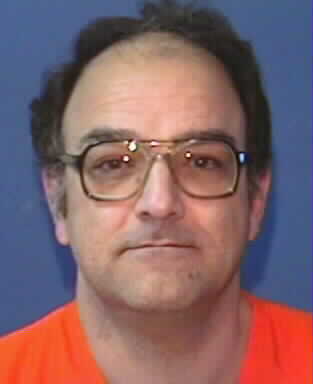
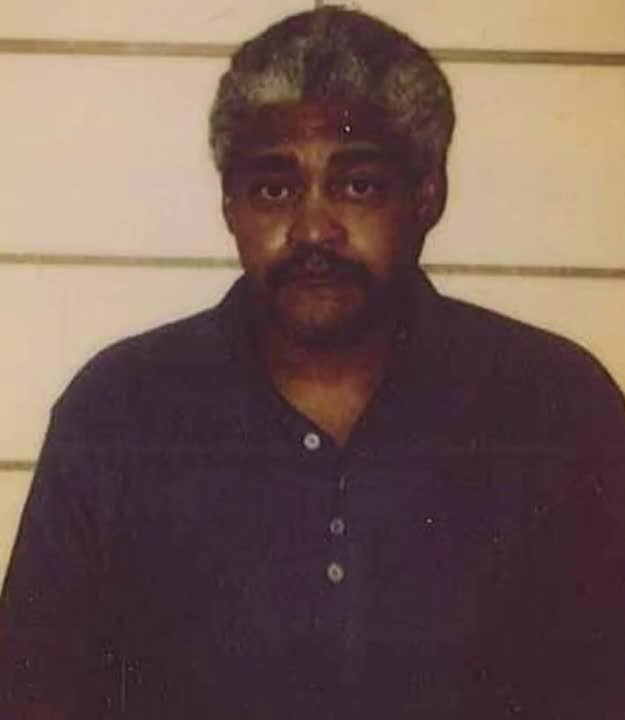
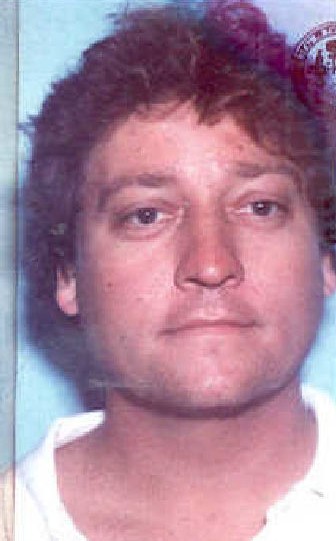
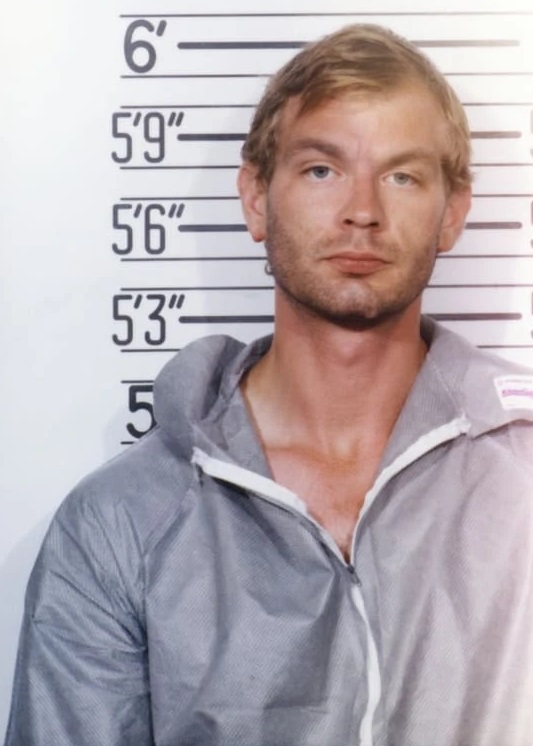
Joshua Wayne Andrews
Joshua Wayne Andrews is an American convicted murderer whose known violence stretched from Colorado to Virginia and New York. His criminal history includes three murders to which he ultimately pleaded guilty, a double homicide for which he was acquitted in Colorado, and several shootings in which the victims survived. The most concentrated period of violence occurred between December 2001 and January 2002, when Andrews and associate Jamel Saleks Crawford were connected to a series of robberies and shootings that left three men dead and several others wounded.
Andrews was born in 1982 and spent much of his childhood in Colorado. His background later became an important part of the sentencing proceedings against him. His father was imprisoned on death row in Texas and was killed by another prisoner before he could be executed. Andrews also suffered severe burns during childhood after being set on fire in a neighborhood incident, leaving lasting scars. By his early teenage years, he had begun accumulating a juvenile criminal record that included an attempted aggravated robbery conviction and other increasingly serious encounters with authorities.
The 2000 Colorado Double Homicide
One of the earliest murder cases connected to Andrews involved the deaths of his brother, Roman Martin, and Martin's teenage girlfriend, Krisunda Jeanne Temple. On April 3, 2000, Martin and Temple were shot to death inside a residence in Aurora, Colorado. Temple was 15 years old. Investigators focused on Andrews, who was accused of having serious conflicts with his brother in the period before the killings.
Prosecutors alleged that Andrews was responsible for the shooting and charged him with two counts of murder. The defense disputed the state's case and suggested that the killings could have been connected to conflicts involving other people. When the case went to trial in 2001, prosecutors were unable to establish Andrews' guilt beyond a reasonable doubt. He was acquitted of both murders.
The Colorado case therefore cannot properly be counted as a murder conviction against Andrews. Roman Martin and Krisunda Temple are sometimes included among his alleged victims because Andrews was formally prosecuted for their deaths, but a jury found him not guilty. No later conviction established that he killed them.
The Murder of Clayton Kendall Breeding
By 2001, Andrews was living in the Woodbridge area of Northern Virginia. On December 12, 2001, 24-year-old Clayton Kendall Breeding was fatally shot in the parking lot of Rippon Middle School in Woodbridge. Breeding was found with gunshot wounds in or near his vehicle. Investigators believed the killing may have involved drugs and that Breeding probably knew the person responsible.
Forensic evidence eventually connected Breeding's killing to the later shootings of Romanno Head, Robert Morrison, and Rutherford Berry. Ballistics testing determined that bullets recovered from Breeding were consistent with bullets associated with the January 2002 shootings. Prosecutors consequently charged Andrews with Breeding's murder.
When Andrews was tried in Virginia in 2007, however, the case involving Breeding presented prosecutors with difficulties. The court determined that the evidence was insufficient to establish the robbery theory originally used to support a capital murder charge. The charge was reduced, and the jury ultimately acquitted Andrews of Breeding's murder.
The acquittal did not become the final word. Several years later, while Andrews faced the possibility of another death-penalty sentencing proceeding, his attorneys and prosecutors negotiated an unusual agreement. On May 31, 2012, Andrews formally accepted responsibility for Breeding's death and pleaded guilty to his murder. He specifically waived the protection that ordinarily would have prevented another prosecution following his earlier acquittal. In exchange, prosecutors agreed that Andrews would receive life imprisonment rather than face another attempt to sentence him to death.
The Murders of Romanno Head and Robert Morrison
The crimes for which Andrews became most notorious occurred on January 2, 2002. That evening, Andrews was with Jamel Crawford when they developed a plan to rob 22-year-old Romanno Avellino Head at the apartment Head shared with 22-year-old Robert Irvin Morrison near Dumfries in Prince William County, Virginia.
According to testimony later presented in court, Andrews and Crawford expected that money and marijuana might be inside the apartment. A woman was asked to telephone Head beforehand so the men could determine how many people were present. Because Crawford was known to Head, the plan was for Andrews to enter first and take control of the occupants before Crawford entered to search the apartment.
Three men were inside: Head, Morrison, and their friend Rutherford Berry. Andrews entered carrying a handgun and forced the men toward the rear of the apartment. He demanded money and drugs and ordered all three into a bathroom. The victims were forced to remove their clothing and climb into the bathtub while Crawford searched other parts of the apartment.
The robbery then became a multiple shooting. Berry was shot and lost consciousness. Head and Morrison were repeatedly shot at close range. Crawford testified that he heard multiple gunshots while searching the apartment and fled, with Andrews following shortly afterward carrying property taken from the residence.
Berry eventually regained consciousness beneath his wounded friends and managed to call 911. Emergency personnel transported the victims to hospitals. Head had suffered four gunshot wounds, including two wounds to his head and two to his back. Morrison had also been shot four times, including three times in the head and once in the chest. Both men died. Berry survived despite being shot in the head and later became one of the most important witnesses against Andrews.
Investigators recovered extensive ballistic evidence from the apartment and from the victims. Eight of nine recovered bullets were attributed to the same .25-caliber Titan semiautomatic pistol, while another bullet had been fired from a different .25-caliber weapon. The physical evidence supported the prosecution's case that Andrews had been the principal gunman.
Additional evidence followed Andrews after he left the apartment. Property belonging to the victims was taken during the robbery. At a motel, identification documents taken from Berry were destroyed. On January 7, Andrews and Crawford went to a pawnshop and sold several pieces of jewelry, including a pendant that Robert Morrison's father later identified as belonging to his son.
The Stafford County Shooting
The violence continued almost immediately. On January 4, 2002, only two days after Head and Morrison were killed, Andrews became involved in the robbery of Gary Kennedy at a convenience store in Stafford County, Virginia. Kennedy was shot during the crime but survived.
The injuries had lasting consequences for Kennedy. Testimony later presented during Andrews' Virginia proceedings described significant physical problems following the shooting, including speech and mobility difficulties and an inability to return to his previous type of employment. Criminal charges arising directly from the Kennedy robbery and shooting were eventually dismissed on the prosecution's motion in 2006, so the incident did not result in a separate conviction against Andrews. Evidence concerning the shooting was nevertheless introduced during later proceedings.
The New York Shootings
After the Virginia crimes, Andrews and Crawford traveled to New York City. On January 7, 2002, they became involved in another attempted robbery, this time at a grocery store in Queens. A store employee identified in court records as Mr. Atanda was shot during the attempted robbery. The store owner subsequently identified Andrews as the person who shot his employee.
The men fled from the robbery scene. During their escape, their vehicle ended up on the property of James Celestine, an off-duty New York City traffic enforcement employee. Celestine came outside and was also shot. He survived.
New York investigators developed evidence identifying Andrews in connection with both shootings. During police questioning, Andrews gave multiple accounts of what had happened. At different points he minimized his involvement, but later statements acknowledged greater participation in the shootings.
Andrews eventually pleaded guilty in New York to two counts of attempted second-degree murder. In June 2005 he received concurrent 13-year prison terms, along with post-release supervision. Those convictions kept him incarcerated while Virginia authorities prepared to prosecute him for the Prince William County murders.
Arrest and the Investigation
Andrews and Crawford were arrested in New York on January 8, 2002, after police stopped the vehicle in which they were traveling. By then, Virginia authorities were actively searching for them in connection with the series of shootings.
Prince William County investigators obtained warrants for Andrews in the Head and Morrison killings. Police also searched the home where Andrews had been staying. Investigators learned that a .25-caliber Titan pistol was missing from the residence. Information about the firearm was entered into a national law-enforcement database.
Two .25-caliber weapons were subsequently recovered in New York following an anonymous tip, and one was associated with information supplied by Virginia investigators. Virginia authorities considered the firearms potentially important evidence in the homicide investigation. However, the weapons were destroyed by New York authorities in 2005 before they could be used in Andrews' Virginia murder trial, an issue later examined during litigation over the case.
The 2007 Virginia Trial
Andrews was eventually returned to Virginia, and his capital murder trial began in Prince William County in July 2007. Rutherford Berry testified about being forced into the bathtub with Head and Morrison and identified Andrews as the gunman. Jamel Crawford also testified for the prosecution, describing the robbery plan and stating that Andrews fired the shots while Crawford was elsewhere in the apartment searching for valuables.
The prosecution supported the witness testimony with ballistic evidence, medical evidence, property recovered from the robbery, and evidence that Morrison's jewelry had been pawned several days after his death.
The jury convicted Andrews of capital murder for the deaths of Romanno Head and Robert Morrison, along with numerous related offenses including robbery, abduction, malicious wounding, and firearm charges. Although the jury acquitted him at that time of Clayton Breeding's murder, Andrews received death sentences for the capital murder convictions connected to Head and Morrison.
Appeal and Removal of the Death Sentences
Andrews appealed his convictions and sentences to the Supreme Court of Virginia. In September 2010, the court upheld his capital murder convictions and his other felony convictions but found serious errors in the penalty phase of his trial. Among the problems identified were rulings that improperly restricted mitigating evidence that Andrews' defense wanted the jury to consider when deciding between death and life imprisonment.
The Virginia Supreme Court vacated his four death sentences and ordered a new sentencing proceeding. The ruling did not declare Andrews innocent and did not overturn the underlying murder convictions for Head and Morrison. Instead, it required that the question of punishment be decided again under proper procedures.
The 2012 Plea Agreement
Before the new death-penalty proceeding occurred, prosecutors and the defense reached an agreement that permanently resolved the Virginia cases. On May 31, 2012, Andrews pleaded guilty to the murders of Romanno Head, Robert Morrison, and Clayton Breeding.
The Breeding plea was particularly unusual because Andrews had already been acquitted of that killing. Andrews voluntarily waived his protection against being placed in jeopardy again and formally accepted responsibility for Breeding's murder. One reason behind the agreement was to provide Breeding's family with a legal acknowledgment of responsibility for a homicide that had previously ended in an acquittal.
In return for the guilty pleas and the resolution of the remaining litigation, prosecutors removed the death penalty from consideration. Andrews was sentenced to spend the remainder of his life in prison without the possibility of parole.
Confirmed Murder Victims
- Clayton Kendall Breeding, 24 — December 12, 2001 — Rippon Middle School parking lot, Woodbridge, Virginia. Breeding was shot to death in the school parking lot. Andrews was acquitted of the murder in 2007 but voluntarily pleaded guilty to killing Breeding in 2012 as part of an agreement that replaced the possibility of a death sentence with life imprisonment.
- Romanno Avellino Head, 22 — January 2, 2002 — Dumfries area, Prince William County, Virginia. Head was forced into a bathtub during a robbery and shot four times. He was transported to Potomac Hospital, where he died.
- Robert Irvin Morrison, 22 — January 2, 2002 — Dumfries area, Prince William County, Virginia. Morrison was forced into the bathtub with Head and Rutherford Berry and was shot four times. He was transported to Fairfax Hospital, where he was pronounced dead.
Earlier Murder Victims for Whose Deaths Andrews Was Acquitted
- Roman Martin — April 3, 2000 — Aurora, Colorado. Martin, Andrews' brother, was shot to death inside an Aurora residence. Andrews was prosecuted for the killing but was acquitted in 2001.
- Krisunda Jeanne Temple, 15 — April 3, 2000 — Aurora, Colorado. Temple, Roman Martin's girlfriend, was killed in the same shooting. Andrews was tried for her murder and acquitted. Her death therefore remains an allegation in relation to Andrews rather than one of his confirmed murder convictions.
Surviving Shooting Victims
- Rutherford Berry — January 2, 2002 — Prince William County, Virginia. Berry was forced into the bathtub with Head and Morrison and shot in the head. He survived and later testified against Andrews.
- Gary Kennedy — January 4, 2002 — Stafford County, Virginia. Kennedy was shot during a convenience-store robbery and survived with lasting injuries. Charges against Andrews arising specifically from this incident were later dismissed.
- Mr. Atanda — January 7, 2002 — Queens, New York. The grocery-store employee was shot during an attempted robbery. The incident became one of the attempted-murder charges to which Andrews pleaded guilty in New York.
- James Celestine — January 7, 2002 — Queens, New York. Celestine, an off-duty traffic enforcement employee, was shot after confronting the men following their flight from the grocery-store robbery. He survived, and the shooting formed the second attempted-murder case against Andrews in New York.
Legacy of the Case
Joshua Wayne Andrews' criminal history is unusual because his legal responsibility changed substantially over time. He was acquitted of the 2000 Colorado double homicide and initially acquitted of Clayton Breeding's 2001 murder, while being convicted and sentenced to death for the murders of Head and Morrison. Years later, after his death sentences were overturned because of errors in the sentencing proceedings, Andrews chose to acknowledge responsibility for Breeding as well as Head and Morrison in exchange for a sentence that guaranteed he would never be released from prison.
The resulting record establishes three confirmed murder victims: Clayton Kendall Breeding, Romanno Avellino Head, and Robert Irvin Morrison. The killings occurred in separate attacks over a period of several weeks, accompanied by additional robberies and shootings in Virginia and New York. His earlier prosecution for the deaths of Roman Martin and Krisunda Temple remains separate from those confirmed murders because Andrews was acquitted of both Colorado charges and never subsequently pleaded guilty or was convicted in connection with those deaths.
Andrews ultimately escaped execution, but not permanent imprisonment. The 2012 agreement ensured that the murder convictions would stand, provided legal recognition of his responsibility for all three Virginia homicide victims, and guaranteed that Joshua Wayne Andrews would spend the remainder of his life behind bars without the possibility of parole.