Betty Lafon Neumar: The Alleged “Black Widow”
Introduction
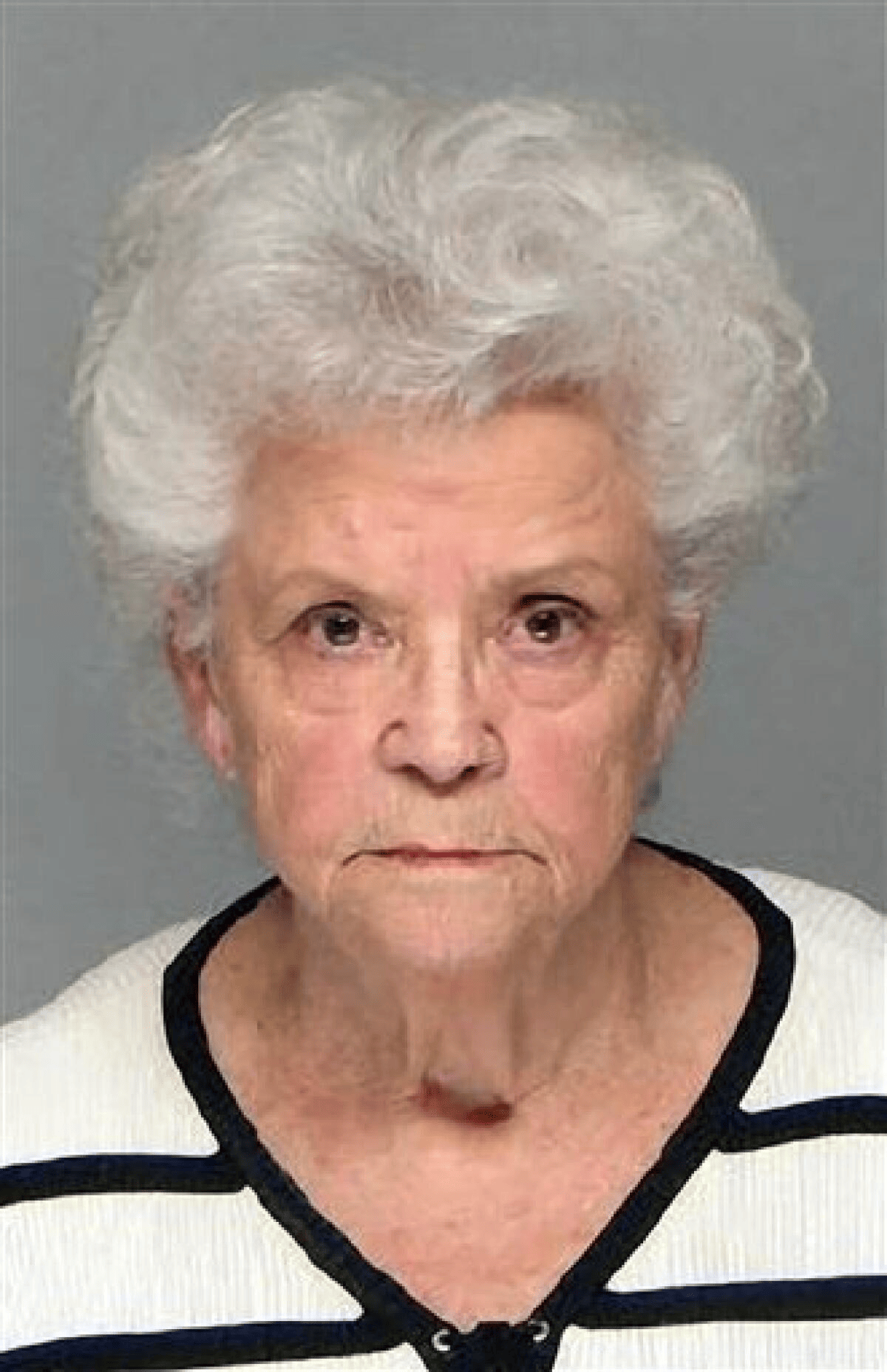
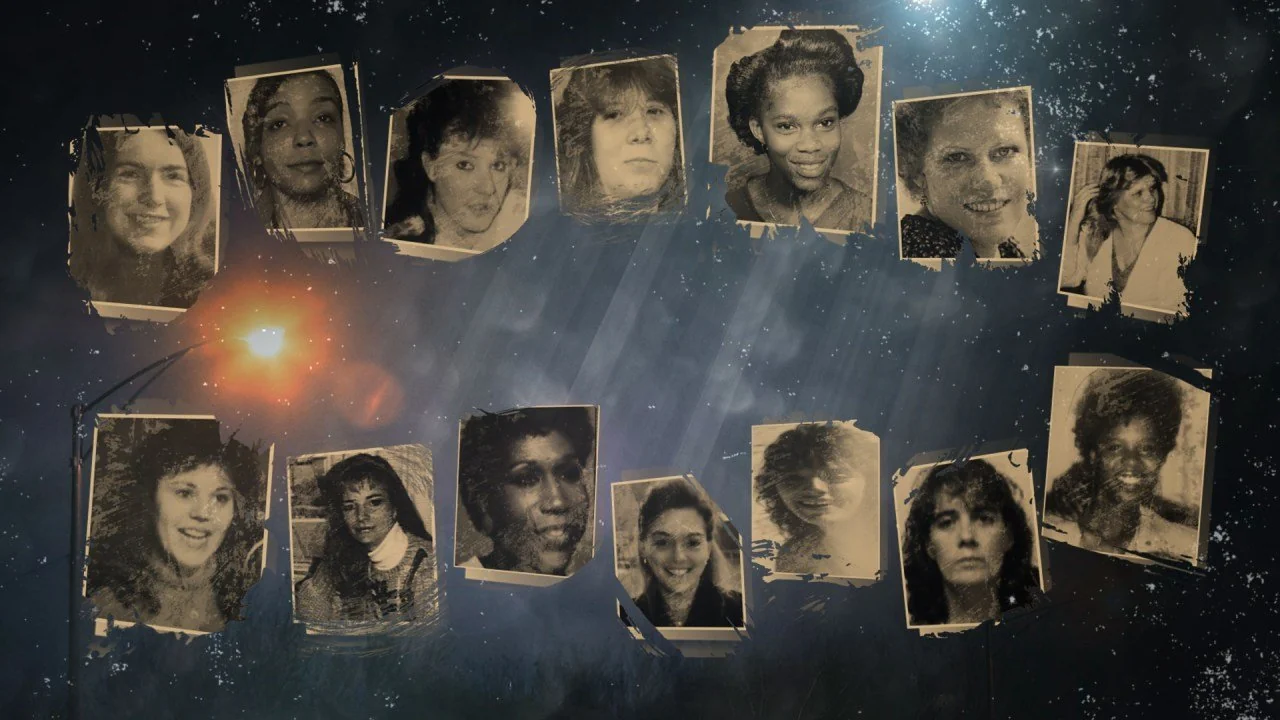
Betty Lafon Neumar was an American woman whose five marriages and the deaths of the men she married attracted national attention. Commonly called the “Black Widow” or “Black Widow Granny” in news reports, Neumar became the subject of a multistate investigation after authorities accused her of attempting to arrange the murder of her fourth husband, Thomas Harold Gentry. Investigators subsequently examined the deaths of several other men connected to her, three of whom died from gunshot wounds.
Despite frequently being described as a suspected serial killer, Neumar was never convicted of murder. She was formally charged only in connection with allegations that she solicited other people to kill Gentry. She denied responsibility, was released on bond and died before the case could be brought to trial. Consequently, many of the suspicions surrounding her marriages were never resolved in court.
Early Life and Marriages
Betty Lafon Johnson was born on November 27, 1931, in Ironton, Ohio. She graduated from South Point High School in 1949 and married Clarence Malone in November 1950. Their marriage ended in divorce in 1952, and Malone remarried after their separation. Neumar went on to marry four more men over the following decades.
The deaths associated with her marriages occurred in several different states and under widely differing circumstances. Some were officially classified as homicides, one was described as a suicide and another was attributed to natural causes. The number of gunshot deaths eventually led investigators and journalists to examine whether the cases represented a pattern or an extraordinary series of unrelated tragedies.
Men Whose Deaths Were Examined
- Clarence Malone — November 27, 1970 — Medina, Ohio: Malone was Neumar’s first husband, although they had been divorced for approximately eighteen years by the time of his death. He was shot and killed at his automobile repair business in Medina. Reports indicated that two men were convicted in connection with the killing and that Neumar was not considered responsible for it. Malone’s relatives publicly rejected suggestions that his former wife had arranged his death.
- James A. Flynn — 1955 — New York: Flynn was Neumar’s second husband. He died from a gunshot wound while the couple was living in New York. Accounts of the incident have varied, with some describing him as having been shot on or near a pier. Detailed public records concerning the precise date, circumstances and outcome of the original investigation are limited. His death was later reviewed because it was one of several firearm-related deaths involving Neumar’s husbands.
- Nelos Richard Sills — April 18, 1967 — Big Coppitt Key, Florida: Sills, Neumar’s third husband, died from a gunshot wound inside the couple’s home in the Florida Keys. His death was officially regarded as a suicide. Reports indicated that Neumar and Sills had been arguing and were together in a closed room when the fatal shot was fired. Authorities later reconsidered the circumstances during the broader investigation into Neumar, but no homicide charge was filed against her for Sills’s death.
- Thomas Harold Gentry — July 13, 1986 — Norwood, North Carolina: Gentry, Neumar’s fourth husband, was found shot to death inside the couple’s home in Stanly County. He had been shot multiple times. His killing remained unsolved for more than twenty years until investigators received information alleging that Neumar had approached several people about arranging his murder. This was the only husband’s death that resulted in criminal charges against her.
- John Neumar — October 25, 2007 — Georgia: Neumar’s fifth husband died after suffering serious medical problems. His recorded causes of death included sepsis, ischemic colitis and an intestinal obstruction known as an ileus. Because some symptoms could resemble those associated with poisoning, investigators obtained his cremated remains and tested them for arsenic. The testing did not detect arsenic, and authorities did not charge Betty Neumar with causing his death.
The Murder of Harold Gentry
Harold Gentry’s death became the central event in the case against Betty Neumar. Gentry was shot repeatedly at the couple’s residence in Norwood, North Carolina, in July 1986. Neumar said she was away when the shooting occurred. The initial investigation did not produce an arrest, but Gentry’s brother, Al Gentry, remained convinced that important questions had not been answered.
Al Gentry continued pressing authorities to reopen the case for more than two decades. He reportedly believed that Neumar had benefited financially from his brother’s death through life-insurance proceeds, military-related benefits and the sale of property. The passage of time complicated the investigation as witnesses became harder to locate and physical evidence deteriorated or disappeared.
The case changed when investigators received information alleging that Neumar had tried to find someone willing to kill Gentry. Prosecutors claimed she approached more than one person in the months before his death. The allegations included an assertion that she contacted a former law-enforcement officer and a neighbor about carrying out the killing.
Alleged Financial Motive
Authorities investigated whether money provided a motive for Gentry’s murder. Prosecutors alleged that Neumar stood to receive approximately $20,000 from a life-insurance policy. She also reportedly received other financial benefits after his death. Investigators considered whether these payments gave her a reason to have her husband killed, although the allegations were never tested before a jury.
The prosecution’s case was based largely on witness statements concerning conversations that allegedly occurred before the murder. Because Neumar was not accused of personally firing the gun, investigators focused on the allegation that she had attempted to recruit another person to commit the crime. The identity of the person who actually shot Gentry was never conclusively established.
Arrest and Criminal Charges
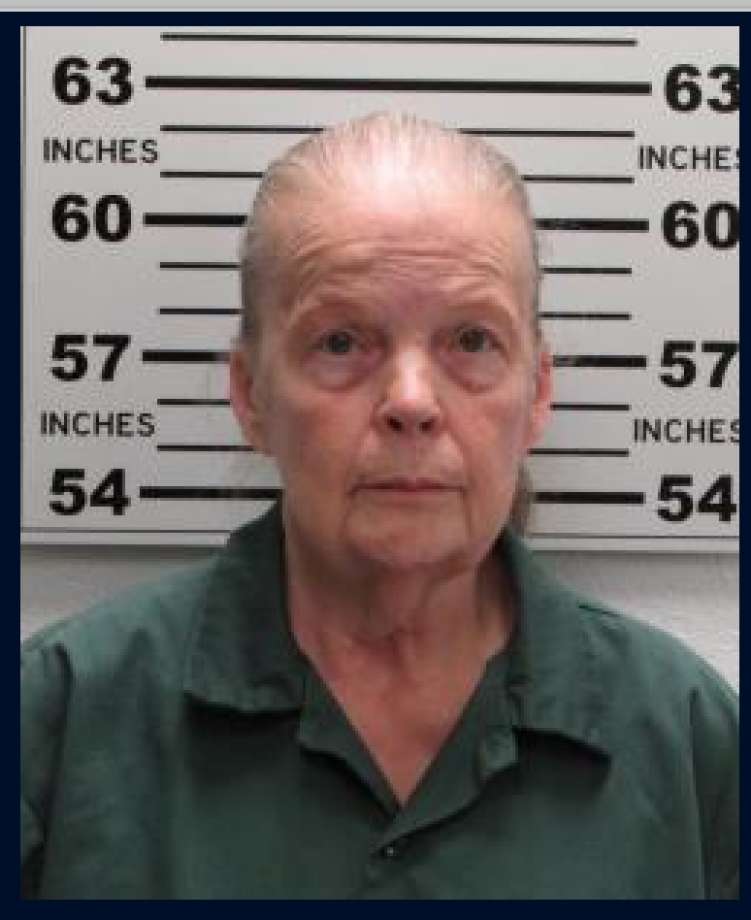
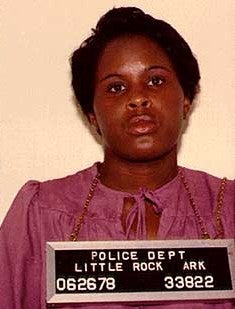
Betty Neumar was arrested in May 2008 at her home in Augusta, Georgia. She was extradited to North Carolina and charged with three counts of solicitation to commit first-degree murder in connection with Gentry’s death. The separate counts reflected allegations that she had approached multiple people about killing him.
Her arrest generated considerable publicity because investigators learned that she had married five times and that every husband had died. The revelation that three husbands had suffered fatal gunshot wounds intensified speculation that the deaths might be connected. Law-enforcement agencies in Ohio, New York, Florida, North Carolina and Georgia reviewed available records concerning the men.
Neumar maintained that she was innocent. Her defense emphasized that some deaths had already been investigated and officially classified as suicide, natural causes or crimes committed by other people. Her attorneys also faced allegations based on events that were decades old, making it difficult to recover complete records or challenge the memories of witnesses.
The Investigation of John Neumar’s Death
John Neumar’s death attracted particular attention because it occurred shortly before the investigation into Harold Gentry was revived. John had reportedly purchased a burial plot, but Betty arranged for him to be cremated. His son said he learned of his father’s death after the funeral arrangements had already been completed, adding to the family’s suspicions.
Investigators seized a portion of John Neumar’s cremated remains and tested them for arsenic. The medical conditions listed in connection with his death could have had innocent explanations, but investigators wanted to determine whether poisoning was possible. The arsenic analysis produced a negative result. No reliable evidence publicly established that John Neumar was poisoned, and his death remained classified as resulting from medical causes.
The Death of Neumar’s Son
Authorities also examined the 1985 death of Neumar’s adult son, Gary Flynn. His death had been ruled a suicide, and available reports did not establish evidence that Betty Neumar caused it. The review demonstrated how widely the investigation expanded after her arrest, with officials reconsidering not only the deaths of her husbands but also another death within her immediate family.
No criminal charge resulted from the examination of Gary Flynn’s death. Public information about the case remains limited, and there was no judicial finding connecting Neumar to it.
Release on Bond and Delayed Trial
Neumar remained jailed for several months after her arrest. In October 2008, she was released after posting a $300,000 bond. She continued to face the three solicitation charges in North Carolina, but the case moved slowly through the legal system.
The advanced age of the allegations created numerous difficulties. Investigators were attempting to reconstruct conversations and events from the months preceding a 1986 murder. Potential witnesses had died, moved away or struggled to remember details. The prosecution also had to demonstrate not only that Neumar expressed hostility toward Gentry, but that she intentionally sought another person to murder him.
Her trial was postponed repeatedly. Because she never entered a guilty plea and was never tried, the prosecution’s allegations were never evaluated through a completed criminal proceeding. Legally, she remained presumed innocent.
Death Before Trial
Betty Lafon Neumar died on June 13, 2011, at a hospital in Alexandria, Louisiana. She was 79 years old and was reportedly suffering from cancer. Her death brought the pending prosecution to an end before a jury could hear the evidence.
With Neumar’s death, the unanswered questions surrounding Harold Gentry’s murder became even more difficult to resolve. His brother expressed disappointment that the case had ended without a trial, believing that Neumar had taken important information with her. No person was convicted of shooting Gentry, and the identity of his killer remained unknown.
Was Betty Neumar a Serial Killer?
Although Neumar is frequently included in discussions of female serial killers, describing her as a proven serial killer is inaccurate. She was charged with soliciting the murder of one husband, Harold Gentry, but she was not convicted. She was never charged with killing Clarence Malone, James Flynn, Richard Sills or John Neumar.
The circumstances nevertheless produced lasting suspicion. Five marriages ended with the husbands’ deaths, three men died from gunshot wounds and prosecutors alleged that she tried to hire people to kill Gentry. Those facts created the image of a calculating “Black Widow,” but other evidence complicated that narrative. Malone died many years after their divorce, and other men were convicted in connection with his killing. Sills’s death was officially treated as suicide, while John Neumar’s death was attributed to illness and testing failed to uncover arsenic.
James Flynn’s death remains particularly obscure because few verified details are publicly available. Without complete investigative records, it is impossible to determine whether his death had any relationship to Neumar or to the deaths that followed.
Legacy of the Case
The Betty Neumar case remains an example of the divide between suspicion and proof. Her personal history appeared extraordinary, but a criminal conviction requires evidence establishing guilt beyond a reasonable doubt. Because she died before trial, the evidence concerning the alleged plot against Harold Gentry was never subjected to full courtroom examination.
For the families of the deceased men, the unresolved questions created conflicting reactions. Some relatives believed Neumar had been unfairly blamed for unrelated tragedies, while others remained convinced that she concealed the truth about at least one death. Harold Gentry’s family continued to seek accountability for his unsolved murder.
Betty Lafon Neumar’s story therefore cannot be presented as the history of a convicted serial murderer. It is the history of a woman accused of attempting to arrange one husband’s killing, surrounded by a series of deaths that drew intense scrutiny but produced no additional charges. Her death left the central allegations unresolved and ensured that the full truth about Harold Gentry’s murder—and the suspicions surrounding her other marriages—might never be known.