The Eastbound Strangler: The Unsolved Atlantic City Serial Murders
The Eastbound Strangler is the name given to an unidentified killer believed to be responsible for the murders of four women whose bodies were discovered near Atlantic City, New Jersey, in November 2006. The case became one of New Jersey's most disturbing unsolved multiple-homicide investigations because of the unusual way the victims were placed, the similarities between their deaths, and the apparent deliberate selection of a secluded dumping ground just outside the city.
The four victims were Molly Jean Dilts, Barbara Breidor, Tracy Ann Roberts, and Kim Raffo. Their remains were discovered on November 20, 2006, in a drainage ditch behind the Golden Key Motel along Black Horse Pike in Egg Harbor Township, immediately west of Atlantic City. Investigators determined that the women had not all been placed there at the same time. The differing levels of decomposition indicated that someone had apparently returned to the same location repeatedly over a period of approximately five weeks.
No person has ever been charged with the four murders. Although the unidentified offender is commonly described as a serial killer, the name "Eastbound Strangler" is a media nickname rather than the name of a known offender. The killer's identity, motive, and precise method of selecting the victims remain unknown.
The Discovery Behind the Golden Key Motel
On November 20, 2006, two women walking along a path behind the Golden Key Motel encountered the body of Kim Raffo in a drainage ditch. Police were called to the scene, and a search of the surrounding area resulted in the discovery of three additional bodies. All four women had been left in the same general drainage area near Black Horse Pike.
The positioning of the victims immediately attracted investigators' attention. The women were fully clothed but barefoot, with their shoes and socks missing. Their purses, cellular phones, and other personal belongings were also absent. The victims had been placed face down, and their heads were pointed generally east, toward Atlantic City.
That repeated eastward positioning eventually produced the nickname "Eastbound Strangler." The similarities suggested planning rather than four unrelated deaths. Former Egg Harbor Township Police Captain John DeAngelis, who participated in the investigation, publicly stated that he believed one killer was most likely responsible for all four women.
The ditch itself complicated the investigation. Water, weather, and decomposition had damaged or destroyed potential forensic evidence. The women had also been there for dramatically different periods of time. Investigators believed the location had served as a dumping ground to which the killer returned repeatedly rather than the scene of a single mass killing.
Victims of the Eastbound Strangler
- Molly Jean Dilts, 20 - Originally from Black Lick, Pennsylvania. Molly contacted her family on October 7, 2006, in what became her last known communication with them. Her relatives said the call originated from the Atlantic City area. Her body was discovered on November 20, 2006, behind the Golden Key Motel in Egg Harbor Township, New Jersey. Investigators believed Molly was probably the earliest of the four victims to die and that her body had been in the ditch for more than a month. Because of advanced decomposition, the medical examiner could not determine her exact cause or exact date of death.
- Barbara V. Breidor, 42 - Barbara was living in the Atlantic City area and was last known to have left a residence in Ventnor, New Jersey, on October 17, 2006. She never returned. Her body was discovered on November 20, 2006, in the same drainage ditch as the other victims. Investigators believe she died after Molly Dilts but before Tracy Roberts and Kim Raffo. Her remains were sufficiently decomposed that a precise cause and exact date of death could not be established. Barbara was identified through dental records several days after the bodies were found.
- Tracy Ann Roberts, 23 - Tracy was originally from Delaware and had trained as a medical assistant before moving to the Atlantic City area. She had also worked as an exotic dancer and became involved in street-level sex work. Witnesses remembered seeing Tracy in Atlantic City during November 2006. One acquaintance said he went shopping with her shortly before she disappeared and remembered her purchasing clothing that she was still wearing when her body was recovered. Tracy was discovered on November 20, 2006, behind the Golden Key Motel. An autopsy determined that she died from asphyxiation, although an exact date of death has never been publicly established.
- Kim Raffo, 35 - Originally from Brooklyn, New York, Kim was a mother of two who had previously worked in restaurants, including in Atlantic City. She was seen alive during the early morning hours of November 19, 2006. Witness accounts placed her in Atlantic City shortly before her disappearance. Investigators believe she was the last of the four women to be killed. Her body was the first discovered on November 20, 2006. The medical examination showed that Kim had been strangled, reportedly with a rope or cord. Her exact time of death was not established, although the evidence indicated she had died shortly before the discovery of the bodies.
Molly Jean Dilts
Molly Dilts was believed to have been the first victim in the sequence. She came from Black Lick, Pennsylvania, and had experienced considerable hardship while growing up, including the deaths of close family members. She later became a mother and left Pennsylvania during the summer of 2006, eventually reaching Atlantic City.
Unlike the other three victims, Molly reportedly had no prostitution arrests. However, people familiar with Atlantic City's street scene told investigators and reporters that she had become involved with sex work after arriving in the city. Her final known contact with her family occurred on October 7, when she made a telephone call from the Atlantic City area.
By the time her remains were found on November 20, Molly had been in the drainage ditch for the longest period of the four women. Her decomposition was so advanced that authorities initially had difficulty identifying her. Investigators released information about distinctive tattoos, including an English bulldog tattoo, and members of her family recognized the description.
Barbara Breidor
Barbara Breidor had once worked in Atlantic City's casino industry as a cocktail waitress. Family members described a life that deteriorated following personal trauma, domestic problems, and addiction. She eventually became involved in Atlantic City's street-level drug and sex-work environment.
Barbara was staying with a friend in nearby Ventnor when she disappeared on October 17, 2006. According to her family, attempts were eventually made to have her formally treated as a missing person. Weeks passed without any known contact from Barbara.
Her remains were among those found behind the Golden Key Motel. Investigators placed her death chronologically after Molly's but before those of Tracy and Kim. Because decomposition had progressed significantly, the medical examiner could not determine exactly how Barbara was killed.
Tracy Ann Roberts
Tracy Roberts came to Atlantic City from Delaware. She had trained as a medical assistant and was also a mother. During a difficult period of her life, she developed a serious drug addiction, worked as an exotic dancer, and eventually became involved in sex work around Atlantic City.
Witnesses recalled seeing Tracy during November 2006. One acquaintance remembered accompanying her while she purchased clothes. She told him she would return shortly but disappeared. When investigators recovered Tracy's body, she was reportedly still wearing the outfit she had recently purchased.
Because Tracy's remains had not been exposed as long as those of Molly and Barbara, the medical examiner was able to obtain more information about her death. Her cause of death was determined to be asphyxiation. Authorities have not publicly established a precise calendar date for her murder.
Kim Raffo
Kim Raffo had grown up in Brooklyn and later married and became the mother of two children. She and her family lived in Florida for a period before her marriage ended. Kim eventually relocated to Atlantic City, where she worked in the restaurant industry before addiction increasingly disrupted her life.
Shortly before the murders, Kim had temporarily left Atlantic City and stayed with her former husband in New York while attempting to become sober. She eventually returned to Atlantic City and again became involved in drugs and sex work.
Kim remained alive after the other three women had apparently disappeared. A witness reported seeing her in the early morning hours of November 19, 2006, getting into a vehicle with a man. Other information gathered during the investigation placed her in Atlantic City during those final hours.
The following day, Kim became the first body discovered behind the Golden Key Motel. Investigators believe she was the final victim in the sequence. Unlike the two badly decomposed victims, Kim's cause of death could be established: she had been strangled.
A Killer Returning to the Same Location
One of the most important aspects of the case was the differing condition of the victims. Molly appeared to have been there for more than a month. Barbara had been dead for a shorter period, while Tracy and particularly Kim had died considerably more recently. The evidence therefore suggested that the killer knew the drainage area and felt comfortable returning to it.
Whether the murders themselves occurred beside the ditch remains uncertain. Investigators considered the possibility that the women had been killed somewhere else, such as inside a vehicle, motel room, residence, or another private location, and then transported to the disposal site.
The Golden Key Motel and the surrounding motel corridor were located outside the center of Atlantic City but remained close to streets used by people involved in the city's drug and sex trades. Someone familiar with the area could reach the site while remaining only a short distance from Atlantic City's casinos and heavily traveled streets.
The Missing Shoes
Every victim was barefoot. The removal of all four women's shoes and socks became one of the most unusual similarities in the case. No definitive explanation has ever been established.
Investigators and independent profilers considered whether the killer might have taken the footwear as trophies, whether feet or shoes held some personal significance to him, or whether the removal was part of a ritual associated with the positioning of the bodies. These possibilities remained theories rather than established facts.
The victims' eastward orientation was similarly mysterious. Independent profilers proposed various symbolic interpretations, but investigators have never publicly established that the direction had religious, ritualistic, or other symbolic meaning. It may simply have represented the offender's preferred method of arranging the bodies.
Forensic Difficulties
The drainage ditch was an extremely damaging environment for evidence. Water exposure and decomposition complicated examinations of the two earliest victims. The discovery scene also involved a large emergency response, creating additional challenges in preserving such an extensive outdoor area.
Despite those problems, prosecutors stated that potentially important evidence was recovered from the victims and their clothing. Investigators collected DNA samples from various individuals during the inquiry and pursued numerous tips, but none publicly resulted in an identification of the murderer.
Toxicology also complicated interpretation of the deaths. Drugs or alcohol were detected in several victims. Investigators considered whether substances were simply part of the women's lives at the time or whether the killer may have deliberately used drugs or alcohol to make a victim easier to control. No such method has been conclusively established.
Persons of Interest and Investigative Leads
Investigators questioned numerous men who knew the victims, frequented Atlantic City's sex-work areas, or had some connection with the motel corridor. Several became publicly known during the investigation, but none was ever charged with the four murders.
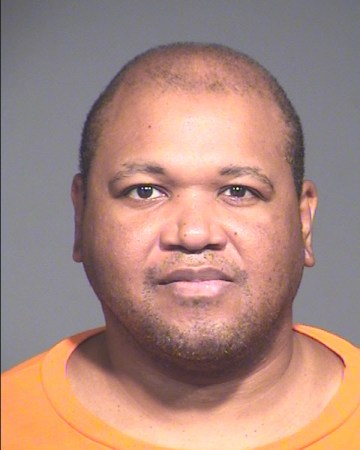
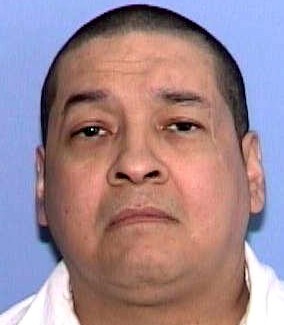
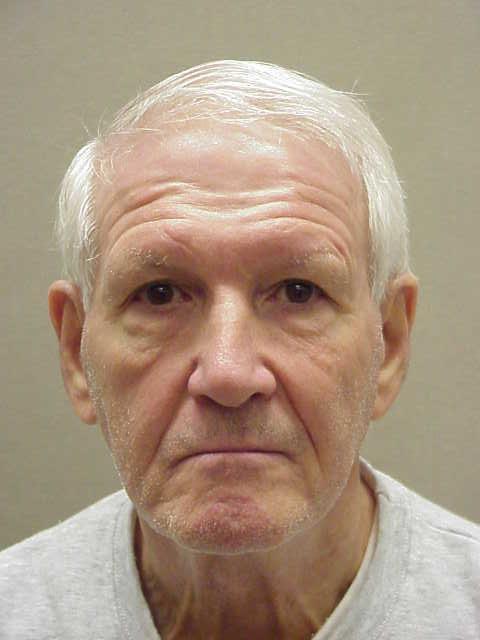
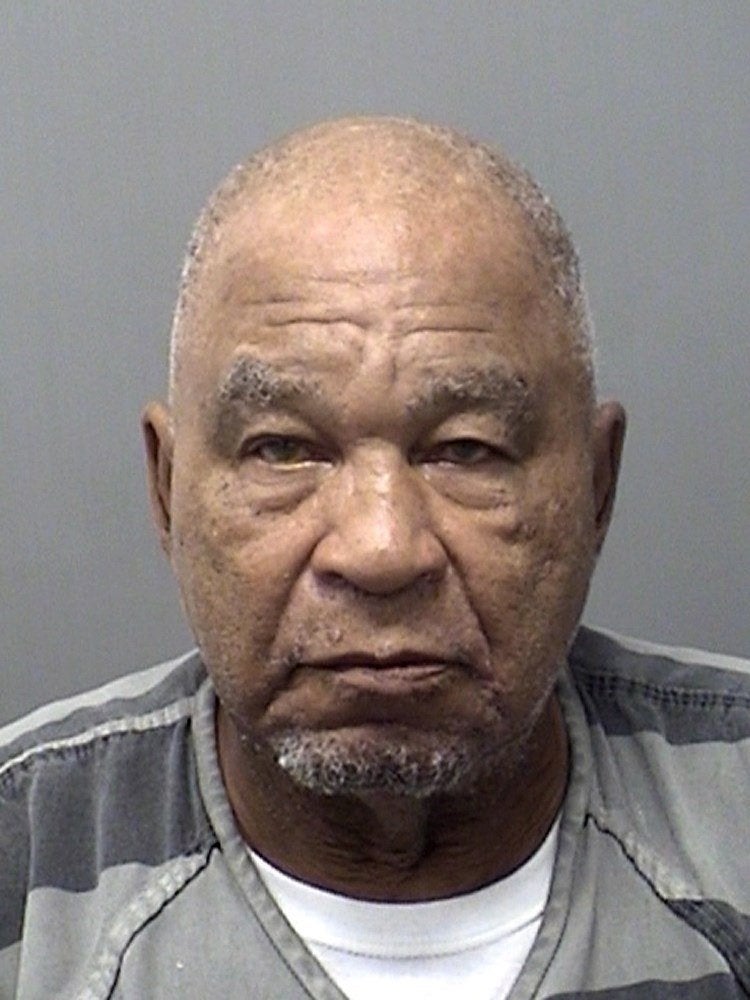
Bill Schlue, an ex-convict who reportedly had connections to people in Atlantic City's street scene and had encountered some of the women, was questioned. He was never arrested for the killings.
Charles Coles, a drug dealer who knew Kim Raffo, was also questioned and released. Mark Hessee, who had encountered Kim Raffo and Barbara Breidor, attracted investigators' attention while authorities examined theories connected to the victims' missing shoes. Neither Coles nor Hessee was charged with the murders.
The investigation also received an account from a sex worker who described an unusual customer she encountered around the period of the murders. She said the man behaved obsessively regarding women's shoes and made disturbing statements. A forensic artist produced a composite drawing based on her description. Authorities received the information, but the identity of the man and whether he had anything to do with the murders were never established.
Terry Oleson
One of the most heavily scrutinized persons of interest was Terry Oleson, a handyman who had performed work at the Golden Key Motel and had stayed there during the general period in which the women disappeared. Investigators searched his home in April 2007 while investigating information supplied to police.
Oleson was arrested on an unrelated privacy offense involving hidden-camera recordings. Because of his connection to the motel, investigators compared his DNA with evidence associated with the murder investigation and questioned him extensively.
Oleson repeatedly denied killing the four women. He was never charged with any crime connected to the deaths, and authorities never publicly established a forensic link between him and any of the victims. Later accounts of the investigation have indicated that the early persons of interest did not produce a viable suspect.
Possible Connection to the Gilgo Beach Murders
Years later, comparisons were made between the Eastbound Strangler investigation and the unsolved murders discovered near Gilgo Beach on Long Island, New York. Both investigations involved multiple women associated with sex work whose bodies had been left in relatively isolated areas near major roads.
After Rex Heuermann was arrested in 2023 in connection with the Gilgo Beach investigation, authorities examined whether he might also have some connection to the Atlantic City murders. New Jersey and New York investigators compared timelines and methods.
Authorities subsequently stated that they did not believe there was a connection between Heuermann and the four Golden Key Motel victims. He has not been charged with the deaths of Molly Dilts, Barbara Breidor, Tracy Roberts, or Kim Raffo.
An Unidentified Serial Killer
The Eastbound Strangler investigation remains defined by what is still unknown. Authorities do not know publicly where the four women were killed, exactly how the killer approached them, whether they knowingly entered his vehicle, whether he knew any of them personally, or why he selected the drainage ditch.
The apparent sequence nevertheless presents a disturbing pattern. Molly disappeared in early October. Barbara vanished ten days later. Tracy disappeared in November. Kim remained alive until immediately before the bodies were discovered. Someone apparently continued returning to the same hidden stretch of drainage ditch while everyday life continued only a short distance away in Atlantic City.
The repeated positioning of the bodies, removal of footwear, shared disposal location, and progression over several weeks have strongly supported the belief that the deaths were connected. No additional victims have been conclusively attributed to the Eastbound Strangler.
Current Status
As of 2026, the murders of Molly Jean Dilts, Barbara Breidor, Tracy Ann Roberts, and Kim Raffo remain unsolved. The identity of the person known as the Eastbound Strangler has never been established, and no one has been convicted of any of the four killings.
Although exact dates of death are sometimes presented for these women in secondary accounts, the available investigative information does not establish precise death dates for them. November 20, 2006 is the verified date on which all four bodies were discovered. Molly was last known to have contacted her family on October 7, Barbara disappeared on October 17, Tracy vanished sometime in November, and Kim was seen alive as late as November 19. For that reason, those dates should be distinguished from medically confirmed dates of death.
The victims left behind children, relatives, and friends who have lived for years without knowing who killed them. Nearly two decades after the discovery behind the Golden Key Motel, the unusual row of barefoot women facing east remains one of the most haunting unsolved serial-murder cases associated with Atlantic City.