The Doodler: San Francisco's Unidentified Serial Killer
Overview
The Doodler is the name given to an unidentified serial killer and attacker who preyed primarily on gay men in San Francisco during 1974 and 1975. The case became one of the city's most enduring unsolved serial-murder investigations. Five men were historically treated as the principal murder victims connected to the same offender, and decades later San Francisco police added Warren Andrews as a probable sixth victim. Contemporary investigators also considered the possibility that the killer was responsible for additional deaths, but the much larger victim totals sometimes associated with the Doodler have never been conclusively established.
The murders occurred during a period when San Francisco was developing into a major center of gay culture while gay men continued to face intense social discrimination, professional consequences, and the possibility of being publicly exposed. Those conditions would become unusually important to the investigation. Several men survived encounters with the suspected killer, but investigators later said potential witnesses were reluctant to testify publicly because doing so could reveal their sexual orientation. The result was an extraordinary situation in which police believed they had identified a strong person of interest but were unable to build a prosecutable case.
How the Killer Became Known as the Doodler
The nickname came from information supplied by a surviving victim. According to San Francisco police, the attacker told at least one man that he was a cartoonist and doodled while the two were talking in a late-night diner. Other historical accounts described him using his artistic ability as a way of approaching men in bars, restaurants, and nightlife establishments. The seemingly harmless act of drawing provided a natural conversation starter and may have allowed him to gain the confidence of strangers before leaving with them.
Although later retellings often state that the killer drew portraits of every man he murdered, the surviving evidence does not establish that a drawing was recovered for each homicide. What is firmly documented is that surviving victims described an attacker who drew and claimed an interest in cartooning, and investigators believed the assaults and the series of murders were connected.
The Pattern of the Murders
The principal victims were men whose bodies were found in isolated areas on the western side of San Francisco, particularly Ocean Beach, Golden Gate Park, and Lincoln Park. Several had suffered repeated stab wounds to both the front and back of the body. Investigators eventually recognized similarities involving the victim profile, isolated locations, the use of a knife, and the apparent anger displayed during the attacks.
The coastal locations were significant. Ocean Beach and neighboring parkland offered darkness, dunes, vegetation, and secluded areas where people could meet without attracting attention. Some of these locations were also known gathering or cruising areas for gay men. A killer familiar with the city could approach someone in a bar or restaurant and later move with him to a location where an attack could take place with little chance of interruption.
Known and Probable Victims
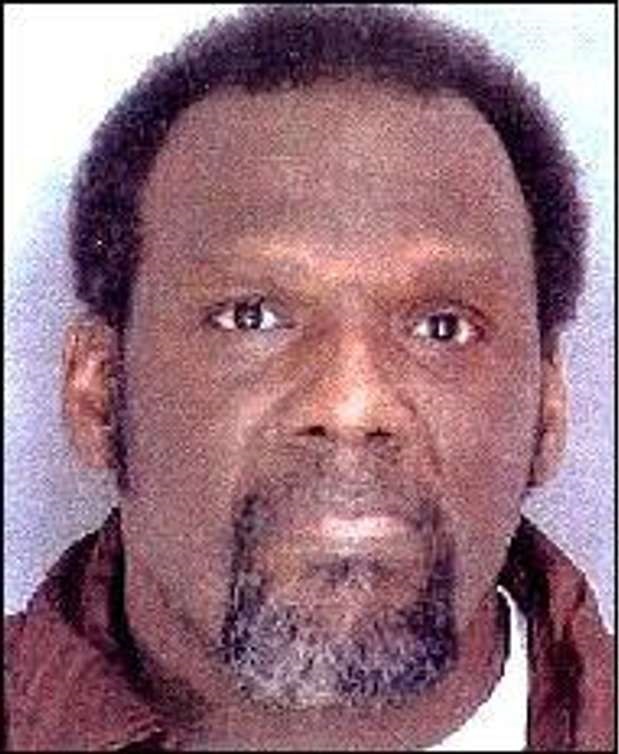
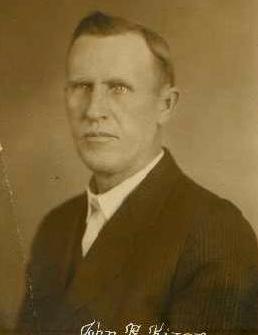
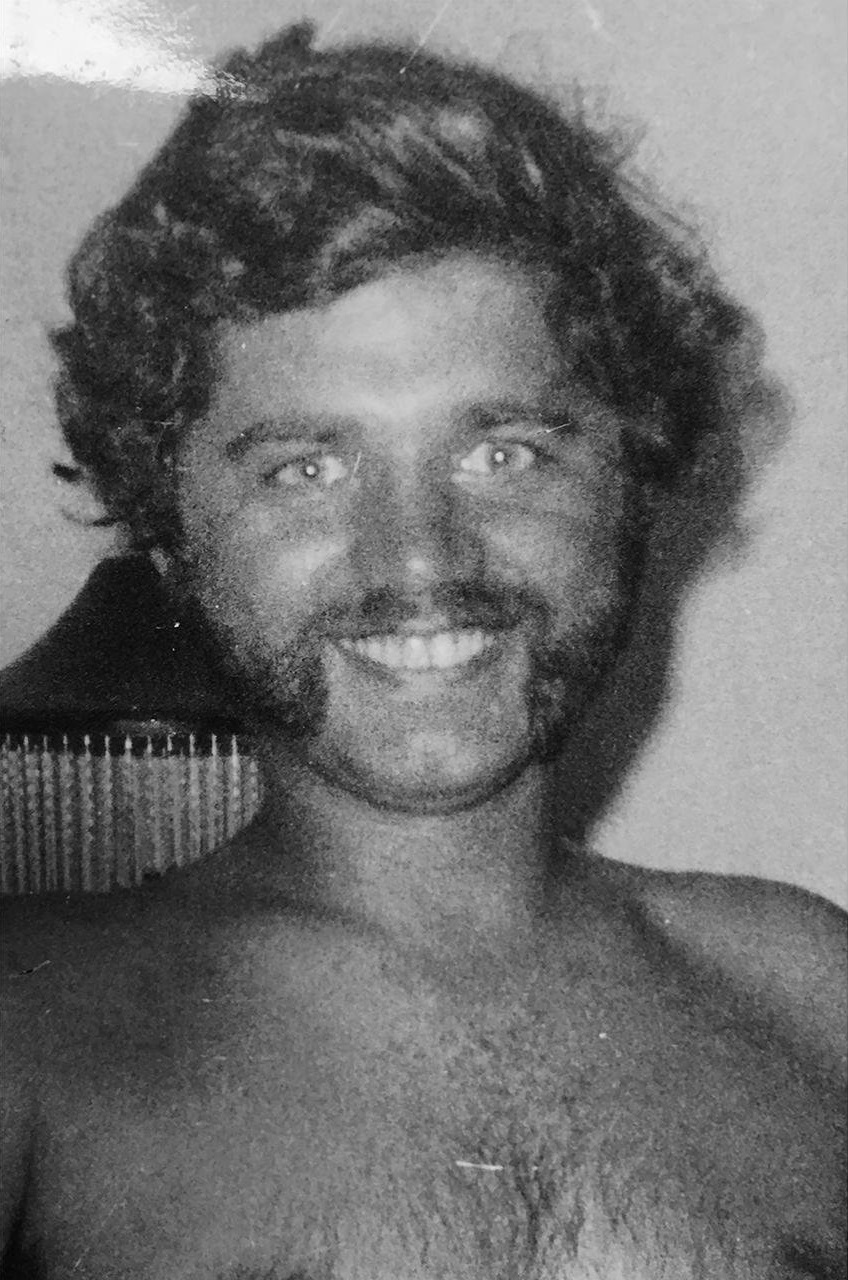
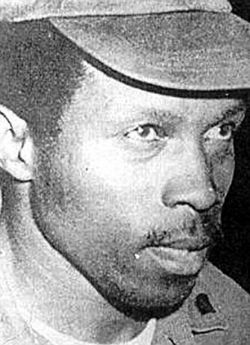
- Gerald Earl Cavanagh - January 27, 1974 - Ocean Beach, San Francisco: Cavanagh was the first recognized victim in the series. An anonymous man telephoned police during the early morning hours to report what appeared to be a body near the water at Ocean Beach, near the foot of Ulloa Street. Officers found Cavanagh lying at the water's edge. He had suffered numerous stab wounds to the front and back of his body. Injuries to his hands indicated that he had attempted to defend himself. San Francisco police recognize January 27 as the anniversary of the first Doodler homicide.
- Joseph "Jae" Stevens - June 25, 1974 - Spreckels Lake, Golden Gate Park, San Francisco: Stevens, 27, was an entertainer and performer associated with San Francisco's nightclub scene. He was found during the morning near a tree beside Spreckels Lake in Golden Gate Park. He had been repeatedly stabbed and had apparently died only a short time before his discovery. Stevens had been seen at a North Beach club the previous night. Evidence at the scene indicated that his body had been moved a short distance after the attack.
- Klaus Achim "Claus" Christmann - July 7, 1974 - Ocean Beach, San Francisco: Christmann, 31, was a German man who had been living in San Francisco while his wife and children remained in Germany. He was last reported at Bojangles, a gay nightclub, before his death. A woman walking her dog discovered his body among the Ocean Beach dunes near the foot of Lincoln Way on July 7. Christmann had been stabbed numerous times and suffered severe wounds to his neck. The location was relatively close to where Cavanagh had been found months earlier, strengthening suspicions that the crimes might be connected.
- Warren Andrews - attacked April 27, 1975; died June 22, 1975 - Lands End, San Francisco: Andrews, 52, was a lawyer who worked for the United States Postal Service. A hiker discovered him unconscious and gravely injured beneath vegetation at Lands End on April 27. Unlike the other principal victims, Andrews had been beaten rather than stabbed. He never regained consciousness and died weeks later. For decades his case was not formally included with the Doodler murders. After a renewed investigation, San Francisco police announced that Andrews was believed to be a probable sixth victim because of the location, victim profile, period, and characteristics of the attack.
- Frederick Elmer Capin - May 12, 1975 - Ocean Beach, San Francisco: Capin, 32, was a nurse and United States Navy veteran who had served during the Vietnam War. His body was discovered near the dunes along Ocean Beach on May 12. He had suffered fatal stab wounds, including injuries involving major blood vessels in his chest. Disturbances in the sand led investigators to conclude that his body had been moved roughly twenty feet. Because he did not initially have identification with him, investigators used fingerprints to establish his identity.
- Harald Gullberg - approximately late May 1975; body found June 4, 1975 - Lincoln Park, San Francisco: Gullberg, 66, was a Swedish immigrant and the oldest of the principal victims. His decomposed body was discovered concealed in vegetation near the Lincoln Park Golf Course on June 4. The medical assessment indicated that he had already been dead for approximately two weeks, making his exact date of death uncertain; it is commonly estimated at around May 21, 1975. Gullberg had suffered a fatal knife attack. His age and some circumstances of the scene differed from the earlier murders, but investigators nevertheless included him among the original five victims attributed to the Doodler.
Gerald Cavanagh and the First Known Murder
The murder of Gerald Cavanagh established several characteristics later associated with the series. His body was discovered in an isolated portion of Ocean Beach in the middle of the night, and the number and placement of his wounds suggested a sustained attack rather than a single impulsive blow. Defensive wounds demonstrated that Cavanagh had fought for his life.
The anonymous telephone call reporting Cavanagh's body later became an intriguing element of the investigation. The caller said that he had seen what appeared to be a person lying near the water but declined to identify himself. Police have never publicly established that the caller was the murderer, and the possibility that he was simply an anonymous passerby remains. Decades later investigators released information about the call in hopes that someone might recognize the circumstances surrounding it.
The Murder of Jae Stevens
Joseph "Jae" Stevens was well known within portions of San Francisco's entertainment community. He performed as a singer, dancer, comedian, and female impersonator during an era when drag entertainment occupied a distinctive place in the city's nightlife. His killing demonstrated that the first Ocean Beach murder had not been an isolated event.
Stevens was found beside Spreckels Lake in Golden Gate Park on June 25, 1974. Investigators believed he had been killed relatively recently. Blood and disturbed vegetation at the scene indicated where the attack had occurred and suggested that Stevens had subsequently been moved. His murder was particularly disturbing to people who knew him through San Francisco's clubs because he had been publicly visible as an entertainer, yet his killer disappeared without leaving an immediately identifiable trail.
The Murder of Klaus Christmann
Less than two weeks after Stevens was found, Klaus Christmann became the third major victim. Christmann had come from Germany and was reportedly trying to establish a life in San Francisco. He was married and had children abroad, illustrating the complicated personal circumstances surrounding some members of the city's gay community during that period.
Christmann was last associated with Bojangles, a gay nightclub in San Francisco's Tenderloin area. On the morning of July 7, 1974, his body was discovered at Ocean Beach. The attack was exceptionally violent, involving numerous stab wounds and multiple wounds to his neck. The similarities to Cavanagh's death, together with the close geographic relationship between the scenes, made the possibility of a repeat killer increasingly difficult to dismiss.
Frederick Capin
Frederick Capin's death brought the series into 1975. Capin had served in the United States Navy and worked as a nurse. His military service included the Vietnam era, and accounts of his life describe a man who had been recognized for courageous service.
On May 12, 1975, Capin was discovered near Ocean Beach. His wounds were consistent with the repeated use of a knife seen in previous cases. Investigators also found physical signs indicating that the body had been moved after the attack. The return to Ocean Beach reinforced the theory that the killer deliberately selected secluded locations along San Francisco's western shoreline.
Harald Gullberg
Harald Gullberg presented investigators with a more complicated case. At approximately 66, he was considerably older than the better-known Doodler victims. His body was discovered on June 4, 1975, hidden in brush in the Lincoln Park area near the golf course. Decomposition indicated that the murder had occurred approximately two weeks earlier rather than on the date the body was found.
Despite differences between Gullberg's death and the earlier murders, police ultimately regarded him as part of the same series. His Swedish background, age, solitary circumstances, isolated discovery site, and violent death made him one of the least understood victims. His death was long considered the final murder in the original five-victim sequence.
Warren Andrews and the Probable Sixth Murder
Warren Andrews was not originally counted among the Doodler's victims because the method of attack differed from the repeated knife assaults associated with the killer. Andrews was found severely beaten at Lands End on April 27, 1975. He had suffered devastating head injuries and remained unconscious until his death weeks afterward.
Decades later, investigators reconsidered Andrews' case. Lands End was close to the geographic area associated with the Doodler, the attack occurred during the same period as the other murders, and Andrews fit the general profile investigators believed the killer was targeting. The secluded coastal setting and apparent intensity of the assault also resembled the circumstances surrounding the other deaths. In 2022, San Francisco police publicly announced that Andrews was believed to be a probable sixth Doodler victim. His inclusion remains important because the evidence linking him is circumstantial and the weapon used against him differed from the knife attacks in the other principal cases.
The Surviving Victims
The Doodler case did not consist solely of murders. Several men survived encounters with an attacker whom police connected to the killings. Their descriptions gave investigators something the homicide scenes could not provide: an account of the man himself and his behavior immediately before an assault.
Two particularly important attacks occurred at the Fox Plaza Apartments on Market Street in July 1975. The two victims reportedly lived on the same floor but did not know each other. One survivor, historically referred to as "the Diplomat," had met the attacker at a late-night establishment. The man described himself as an artist or cartoonist and had been doodling during their conversation. After accompanying the victim to his apartment, he attacked him with a knife. The victim survived despite being stabbed several times and was able to provide police with a description.
Approximately a week and a half later, another man living on the same floor at Fox Plaza encountered an attacker fitting the same general description. That victim also survived. Police concluded that the Fox Plaza attacks were connected to the earlier homicides, and information from survivors became the basis for the well-known 1975 composite drawing of the Doodler.
Description of the Suspect
Witnesses described the Doodler as a young Black man, generally estimated to have been between 19 and 25 years old during the crimes. He was described as approximately six feet tall, slender or lanky, with a medium complexion and smooth skin. Some descriptions mentioned a knit or watch-style cap. Witness information suggested that he was a capable artist who either claimed to be studying art or said he hoped to work as a professional cartoonist.
The artistic behavior was important because it provided the feature that made him memorable. Rather than approaching a stranger with an immediately threatening demeanor, he could sit nearby, draw, begin a conversation, and use his apparent talent to establish rapport. The surviving victim who described the late-night diner encounter considered him skilled at drawing.
The 1976 Person of Interest
Police believed they developed a significant person of interest by 1976. A young man fitting aspects of the composite description was detained and questioned. Contemporary reports indicate that investigators questioned him repeatedly and were sufficiently interested in him to consider whether they had identified the killer. He was never charged and his name has not been officially released as the Doodler.
Some historical newspaper accounts reported that police had received information involving a psychiatrist and statements allegedly made by a patient, but no confession sufficient to establish guilt was produced publicly and no prosecution followed. Later investigators have therefore described the unidentified man more cautiously as a person of interest rather than as a proven offender.
Why No Prosecution Followed
One of the most consequential aspects of the Doodler investigation was the reluctance of surviving victims to testify. By 1977, police publicly stated that three men had survived attacks and that testimony identifying the attacker was essential to a successful prosecution. Contemporary reports described the survivors as including a diplomat and a well-known entertainer or public figure.
For these men, appearing in court could have meant being publicly identified as gay at a time when disclosure could destroy careers, relationships, and reputations. The Doodler committed his crimes before modern legal and social protections for gay people existed. California's laws regarding consensual homosexual activity were themselves changing during this period, and discrimination remained widespread.
Gay-rights leader Harvey Milk publicly expressed understanding of the survivors' predicament when the issue was reported in 1977. Their reluctance did not necessarily mean that they were unwilling to help investigators privately. Instead, the problem was that converting private identification into courtroom evidence could require public testimony and cross-examination. Without sufficient independent evidence, prosecutors could not simply substitute police belief for admissible proof.
How Many People Did the Doodler Kill?
The number has been debated for decades. Historical reporting sometimes associated the Doodler with approximately fourteen murders, while other accounts suggested totals of ten, sixteen, or more. During the 1970s, San Francisco experienced many homicides of gay men, and investigators considered whether some apparently unrelated killings might have been committed by the same offender.
Those historical estimates should not be confused with the more firmly documented cases. The strongest modern formulation is that five murders were historically linked to the same killer, with Warren Andrews subsequently identified by San Francisco police as a probable sixth victim. Claims that every one of the larger group of unsolved murders was committed by the Doodler remain unproven.
The Role of San Francisco's Gay Community
The Doodler's crimes occurred at a pivotal moment in San Francisco history. Neighborhoods, bars, clubs, restaurants, and political organizations were creating an increasingly visible gay community. At the same time, hostility and discrimination remained common. The conflict between growing visibility and continuing danger created conditions the killer could exploit.
Men seeking companionship often depended on bars, clubs, parks, beaches, and other gathering places where anonymity was possible. Someone who understood those routines could move through the same spaces without immediately appearing suspicious. The Doodler's apparent method of beginning with conversation and artwork was particularly effective because it transformed a stranger into an apparently friendly acquaintance.
The same social environment that gave the killer access to victims also complicated the effort to prosecute him. A survivor might privately identify an attacker while being unwilling to appear publicly in a trial that would expose intimate details of his life. The case therefore demonstrates how social stigma can have direct consequences for criminal investigations.
Renewed Investigation
Decades after the murders, the San Francisco Police Department's cold-case investigators returned to the Doodler files and began examining surviving evidence with techniques unavailable during the 1970s. Investigators reviewed old reports, revisited crime scenes, sought additional witnesses, examined biological evidence, and reconsidered unsolved deaths that could potentially fit the series.
In 2019, police publicly renewed their appeal for information and released an age-progressed depiction based on the original composite sketch. Investigators also released the recording of the anonymous telephone call reporting Gerald Cavanagh's body. Police hoped that renewed publicity might locate witnesses, surviving victims, acquaintances of the person of interest, or anyone able to identify the caller.
The investigation produced another significant development when detectives reexamined Warren Andrews' 1975 death. His case demonstrated that the original list of victims was not necessarily complete and that old homicides could still be reevaluated using information accumulated over several decades.
An Unsolved Identity
Despite generations of investigators examining the case, no person has been convicted of being the Doodler. The unidentified man detained and questioned during the 1970s has never been publicly proven responsible. Descriptions from surviving victims, the original composite drawing, the attack patterns, and decades of police work have produced a picture of the offender without producing the evidence required for a conviction.
The distinction is important. Statements by investigators that they strongly suspected a particular man are not the same as proof beyond a reasonable doubt. No court has established the identity of the Doodler, and publicly naming an uncharged individual would improperly transform investigative suspicion into an assertion of guilt.
Current Status of the Case
The Doodler murders remain unsolved and continue to be treated as an active San Francisco cold-case investigation. The San Francisco Police Department has offered a reward of $250,000 for information leading to the identification, apprehension, and conviction of the serial homicide suspect. Investigators continue to describe six men, including probable victim Warren Andrews, in connection with the investigation.
More than half a century after the first murder, the Doodler case remains significant not only because the killer escaped prosecution but because of the circumstances surrounding the crimes. The murders unfolded within a community whose members could themselves face serious consequences simply for revealing who they were. The killer appears to have exploited private social encounters, isolated locations, and the vulnerability created by that secrecy. Gerald Cavanagh, Jae Stevens, Klaus Christmann, Warren Andrews, Frederick Capin, and Harald Gullberg are therefore remembered not merely as names in one of San Francisco's most famous cold cases, but as individual victims whose deaths continue to await a definitive answer.