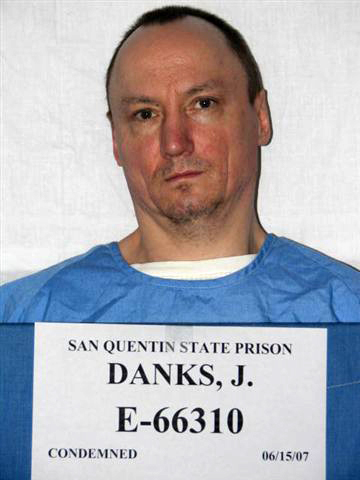
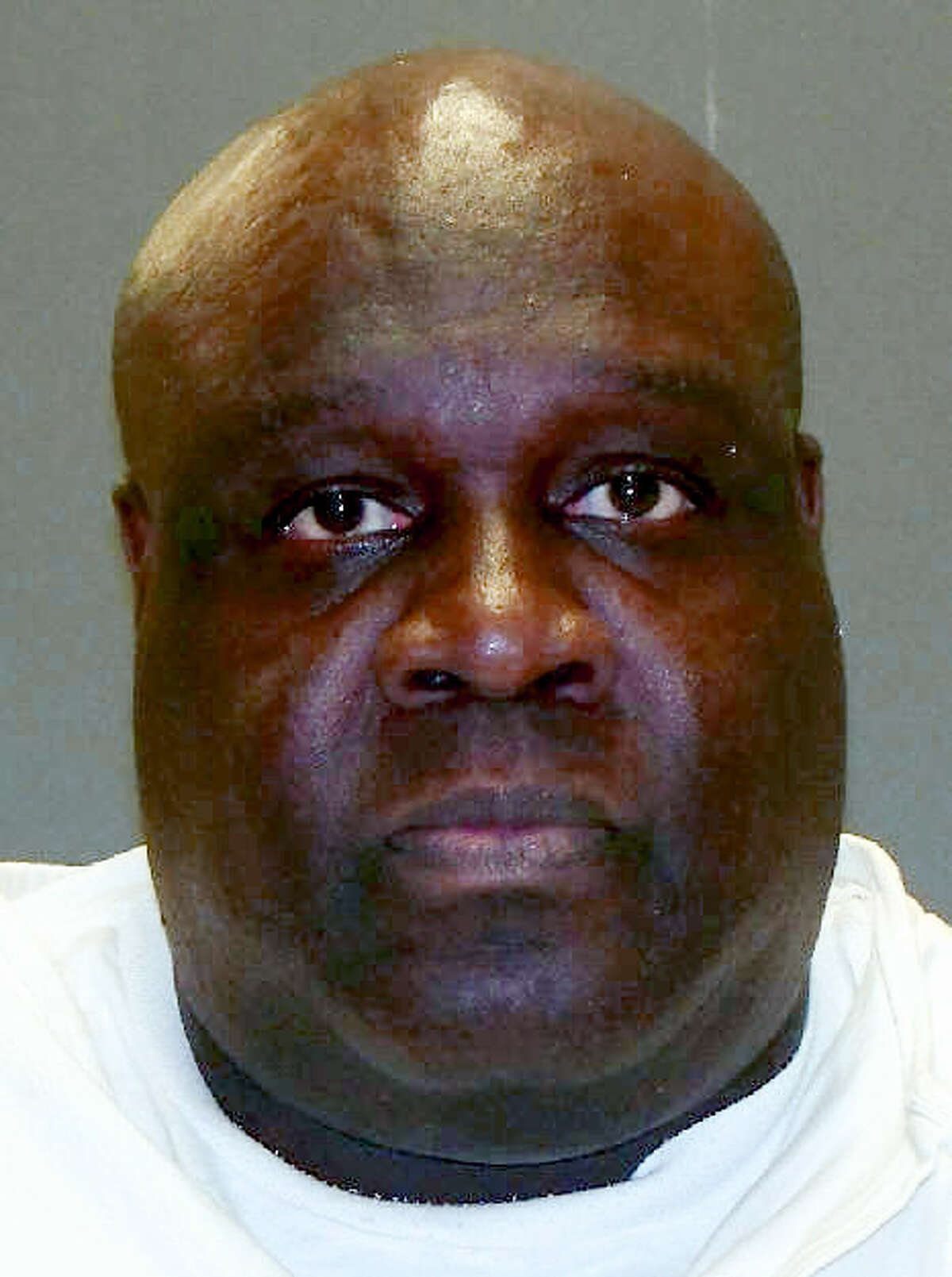
Joseph Martin Danks: The Koreatown Slasher
Overview
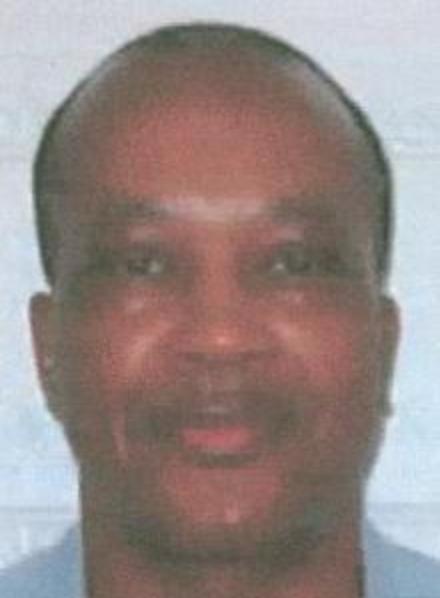
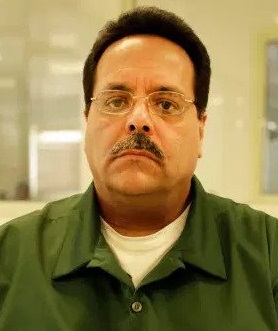
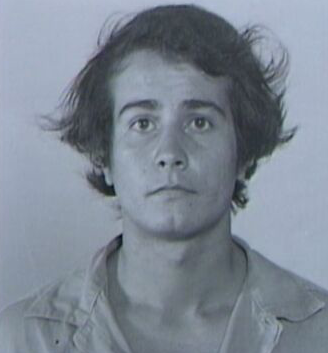
Joseph Martin Danks, commonly known as the "Koreatown Slasher," was an American serial and spree killer responsible for a concentrated series of murders targeting homeless men in the Los Angeles area during the winter of 1986 and 1987. Danks was ultimately convicted of six first-degree murders arising from the attacks and later murdered his prison cellmate, Walter Holt, while serving his sentence. In total, Danks accumulated seven murder convictions.
The Los Angeles killings were especially frightening because the victims appeared to have been selected largely because they were homeless and vulnerable. Danks did not know the men personally. He approached people living or sleeping on the streets and attacked suddenly, most often with a knife. Investigators found enough similarities among the crimes to conclude that the same offender was responsible for the series.
Arrival in California and the Beginning of the Murders
Danks came to California from Michigan during the latter part of 1986. He was himself living a transient lifestyle when the killings began. Despite his own circumstances, statements later attributed to him showed intense contempt toward other homeless people. Prosecutors said that after his arrest he described himself as different from the homeless men he targeted and spoke about them in dehumanizing terms.
The first murder included in the case against Danks occurred in Santa Monica on December 24, 1986. The victim was identified as Edwin Trujillo. Danks later admitted an attack in Santa Monica while discussing the murders with investigators, and prosecutors included Trujillo's death among the six murder charges filed against him.
The more concentrated portion of the killing series began in January 1987 in and around Los Angeles' Koreatown district. Within approximately two weeks, five homeless men were killed in the area and two other men survived attacks attributed to Danks. Most of the victims were assaulted without warning, and several were stabbed from behind.
The January 1987 Killing Spree
On January 6, 1987, 40-year-old Christopher Michael Forsblade was killed near 6th Street and Vermont Avenue in Los Angeles. Contemporary reports initially described his death as occurring during the night of January 5 or the early hours of January 6, while the murder charge against Danks listed January 6. Forsblade's death became one of the first cases investigators connected to the emerging series.
The violence accelerated on January 14. At approximately noon, 58-year-old Isaac Davis was killed in the 900 block of South Menlo Avenue. Less than three hours later, 55-year-old John Charles Coble was killed in the 2800 block of West 9th Street. The proximity in time, the similar circumstances, and the method of attack strengthened investigators' belief that a single offender was hunting homeless men in the neighborhood.
On January 16, another homeless man was killed in the 3000 block of West 8th Street. He was estimated to be about 43 years old and was recorded in contemporary reports as John Doe No. 19. His identity was not established in the reports surrounding Danks' arrest and prosecution.
The following days brought both additional attacks and important evidence. On January 18, 64-year-old Almond Lord was attacked in the 800 block of South Kenmore Avenue. Lord survived. His survival gave investigators a living witness from the series at a time when several other victims had been unable to provide any information about their attacker.
On January 20, Danks attacked 58-year-old James Lyons near 6th Street and Manhattan Place. Lyons also survived. Later that same day, another homeless man, believed to be approximately 50 years old, was killed in an alley in the 300 block of South Western Avenue. The man's identity was not established in contemporary accounts.
Victims
- Edwin Trujillo — December 24, 1986 — Santa Monica, California. His death was included among the six murder charges brought against Danks following Danks' statements to investigators.
- Christopher Michael Forsblade, 40 — January 6, 1987 — near 6th Street and Vermont Avenue, Los Angeles, California. Contemporary reporting described his death as occurring January 5 or 6; prosecutors charged the murder as occurring January 6.
- Isaac Davis, 58 — January 14, 1987 — 900 block of South Menlo Avenue, Los Angeles, California.
- John Charles Coble, 55 — January 14, 1987 — 2800 block of West 9th Street, Los Angeles, California. He was killed less than three hours after Isaac Davis.
- John Doe No. 19, approximately 43 — January 16, 1987 — 3000 block of West 8th Street, Los Angeles, California. His identity was not established.
- Unidentified man, approximately 50 — January 20, 1987 — 300 block of South Western Avenue, Los Angeles, California. His killing immediately preceded Danks' capture.
- Walter Holt, 67 — September 21, 1990 — California Correctional Institution, Tehachapi, California. Holt was Danks' prison cellmate and was strangled with material torn from a bedsheet.
Surviving Attack Victims
- Almond Lord, 64 — January 18, 1987 — 800 block of South Kenmore Avenue, Los Angeles, California. Lord survived an attempted killing attributed to Danks.
- James Lyons, 58 — January 20, 1987 — near 6th Street and Manhattan Place, Los Angeles, California. Lyons survived after being attacked only hours before Danks' arrest.
The Final Street Murder and Arrest
The January 20 murder on South Western Avenue brought the series to an abrupt end. A witness saw the attack and followed the fleeing suspect for several blocks. The witness's persistence helped bring police into the pursuit, and Danks was apprehended shortly afterward in the Wilshire area.
As police closed in, Danks discarded a newspaper containing a knife that appeared to have fresh blood on it. Investigators believed the weapon was connected to the attacks. The circumstances of the final murder, the surviving victims, witness information, the recovered knife, and Danks' own statements quickly made him the central suspect in the entire series.
After being advised of his rights, Danks spoke extensively with homicide detectives. Prosecutors later said that he admitted the attacks in considerable detail. Six murder counts and two attempted-murder counts were filed against him. Investigators also examined whether he might have been responsible for other attacks because Danks referred to additional violence beyond the crimes originally charged.
Motive and Selection of Victims
Danks' statements suggested that the homeless status of his victims was central to his choice of targets. Although he was living as a transient himself, he expressed contempt for other homeless people and attempted to distinguish himself from them. Prosecutors said he described being particularly offended by homeless people he considered unclean.
The victims were strangers to Danks. Years later, the California Supreme Court noted that he had described attacking people in a variety of circumstances, including while they were sleeping, searching through garbage, arguing with others, or simply walking. His comments after arrest demonstrated an extraordinary lack of concern for whether the people he had attacked lived or died.
Criminal Proceedings
The prosecution originally sought the death penalty for the six Los Angeles-area murders. The case, however, became complicated by questions concerning Danks' mental competency. During the proceedings, his behavior remained violent. In November 1988, while jury selection was taking place, Danks attacked his public defender, Larry Rivetz, with an improvised weapon made from razor blades and a toothbrush. Rivetz suffered a relatively minor injury.
Danks entered guilty pleas to the six murders in December 1988, but those pleas were temporarily withdrawn because a required determination concerning his competency had not been completed beforehand. After further competency proceedings, the criminal case continued. Danks ultimately pleaded guilty to six counts of first-degree murder under a negotiated agreement and received a combined sentence of 156 years to life.
The Murder of Walter Holt
Danks was eventually transferred to the California Correctional Institution in Tehachapi to serve his lengthy sentence. On the night of September 20 into September 21, 1990, he was sharing a cell with 67-year-old Walter Holt. Holt had been placed in the cell only hours earlier.
Shortly before or around 1:00 a.m. on September 21, Danks attracted the attention of correctional officers and announced that he had killed his cellmate. Holt was found dead inside the cell. An autopsy determined that he died from asphyxia caused by ligature strangulation.
Danks described tearing material from a bedsheet and using it to strangle Holt while Holt was in his bunk. His subsequent statements indicated that he had contemplated killing Holt soon after the two men were placed together. Danks also spoke about his earlier murder convictions and made statements indicating that committing another murder could lead to the death sentence he believed he should have received previously.
Continued Violence While Incarcerated
The killing of Holt was not the only violent episode involving Danks while he was in custody. During earlier confinement he had attacked another prisoner with a razor. While undergoing treatment at Atascadero State Hospital in 1989, he attacked fellow patient Donald McCully, first attempting to suffocate him and then repeatedly attacking him with a pencil. McCully survived.
After Holt's murder, correctional officers repeatedly found improvised stabbing weapons in Danks' possession. In January 1992, he attacked inmate Renaldo Navarez with a sharpened piece of metal. He was also involved in other incidents of violence and disruptive behavior while awaiting prosecution for Holt's murder.
Death Sentence for Walter Holt's Murder
Danks was prosecuted in Kern County for the murder of Walter Holt. A jury found him guilty of first-degree murder as well as an offense involving a life prisoner committing an assault resulting in death. His previous six first-degree murder convictions became an important part of the penalty proceedings.
Even the courtroom remained dangerous. During the Holt proceedings, Danks attacked defense attorney Michael Dellostritto with a sharpened piece of metal or wire, stabbing him in the face before Danks was subdued. The attorney survived.
On April 2, 1993, Danks was formally sentenced to death for Walter Holt's murder. The California Supreme Court later reviewed the case and, on February 2, 2004, affirmed his conviction and death sentence. His capital case has continued through federal habeas corpus proceedings for many years. As of 2026, official California records continued to list Joseph Danks as a condemned prisoner under a Kern County death judgment.
Legacy of the Koreatown Murders
Joseph Martin Danks' crimes stand out both for the speed of the Los Angeles killing series and for his deliberate targeting of people whose homelessness made them particularly vulnerable. Five men were killed in the Koreatown and nearby Los Angeles area during January 1987, while the Santa Monica murder included in his convictions extended the series back to December 24, 1986. Two additional men survived attacks during the January spree.
The murder of Walter Holt demonstrated that incarceration did not end Danks' lethal violence. By the time the Holt case was completed, Danks had been convicted of seven murders: six homeless men killed in the Los Angeles area and one prison cellmate killed in Tehachapi. The identities of two of the Los Angeles victims remained unknown in the contemporary records, leaving part of the human story behind the Koreatown killings unresolved even though the man responsible was captured and convicted.