The New York Bag Murders: A Cold Case of Fear and Injustice
Overview
Between 1975 and 1977, a series of gruesome discoveries instilled fear in New York City’s gay community. The dismembered remains of six men were found in garbage bags, floating in the Hudson River. The victims were never identified, and their killer was never caught, leaving a legacy of unanswered questions and highlighting the vulnerability and marginalization of gay men during a tumultuous period in the city's history. The case, officially designated as "Circumstances Unknown Pending Police Investigation" (CUPPI), became known to the public as the "Bag Murders." A man named Paul Bateson, convicted of a separate, brutal murder, became the primary suspect, but his involvement in the "Bag Murders" was never proven, and the case remains one of New York's most disturbing unsolved serial killings.
The Greenwich Village Climate
The mid-1970s in Greenwich Village was a time of burgeoning gay liberation, but also one of significant danger. The area was a hub for gay life, with numerous bars and clubs that provided a sense of community and freedom. However, this visibility also made gay men targets for violence and harassment, often with little recourse from a police force that was, at best, indifferent and, at worst, openly hostile. Murders of gay men were not uncommon, but they were frequently underreported and inadequately investigated, often dismissed as the result of a "high-risk lifestyle." It was in this atmosphere of fear and distrust that the "Bag Murders" began.
The Murders
From 1975 to 1977, bags containing human remains began to surface in the Hudson River. The body parts belonged to six different men, all of whom had been dismembered post-mortem. The killer had taken care to dispose of the bodies in a way that would make identification difficult, if not impossible. The remains were often discovered in different locations along the river, some washing ashore on the New Jersey side and others near the World Trade Center. The consistent method of dismemberment and disposal strongly suggested a single perpetrator.
The Victims
The six victims of the "Bag Murders" remain unidentified to this day. The lack of identification is a tragic testament to the challenges of forensic science at the time and the victims' potential isolation from mainstream society. What little is known about them comes from the clothing found with their remains. Police traced the garments, which included leather attire, to shops in Greenwich Village that were popular with the gay community, particularly those involved in the leather and S&M subcultures. This led investigators to surmise that the victims were all gay men who had likely been targeted in or around the Village's gay bars. One source mentioned that tattoos on one of the victims also pointed to a connection with the gay community, though no specific descriptions of these tattoos have been widely publicized. The inability to give these men their names back is one of the most haunting aspects of the case.
- Six Unidentified Men — Discovered between 1975 and 1977 in the Hudson River, these men are believed to have been part of Greenwich Village's gay community. Their identities remain unknown, a stark reminder of a community that was both vibrant and vulnerable.
Investigation and a Prime Suspect
The police investigation into the "Bag Murders" was hampered by a lack of evidence and the difficulty of identifying the victims. The case gained a significant, if indirect, lead with the arrest of Paul Bateson for a separate crime. On September 14, 1977, Addison Verrill, a film reporter for *Variety*, was found beaten and stabbed to death in his Greenwich Village apartment. There were no signs of forced entry, suggesting Verrill knew his killer.
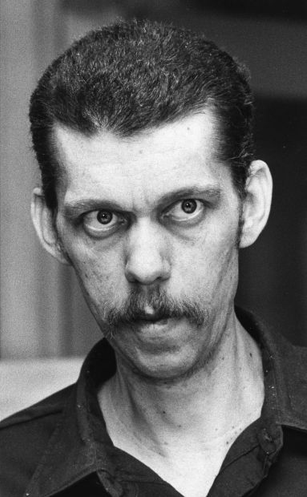
The investigation into Verrill's murder took a strange turn when Arthur Bell, a journalist for *The Village Voice* and a prominent gay rights activist, wrote a column about the killing, decrying the lack of media attention and police interest in murders of gay men. Bell then received a call from a man claiming to be the killer, who provided details about the crime scene that had not been made public. A subsequent tip led police to Paul Bateson, a radiological technologist who had a minor role in the 1973 film *The Exorcist*. Bateson confessed to killing Verrill after a night of drinking and sex.
During his incarceration while awaiting trial, Bateson allegedly boasted to a fellow inmate, Richard Ryan, about killing other men. Ryan would later testify that Bateson not only confessed to Verrill's murder but also claimed to have killed and dismembered six other men, putting their body parts in bags and dumping them in the Hudson River. This jailhouse confession, combined with Bateson's medical knowledge which would have given him the skills to dismember a body, and his frequenting of the same Greenwich Village bars as the presumed victims, made him the prime suspect in the "Bag Murders." Some reports also claimed the bags used to dispose of the bodies were traced to the NYU Medical Center's neuropsychiatric unit, where Bateson had worked, though this connection has been disputed and was not definitively proven.
Trial and Sentence of Paul Bateson
Paul Bateson went on trial in 1979 for the murder of Addison Verrill. His defense attorney argued that his confession was coerced and made while he was intoxicated. However, the jury found him guilty of second-degree murder after a four-day trial.
At his sentencing, prosecutor William Hoyt argued for the maximum sentence, calling Bateson a "psychopath" and telling the judge about his alleged confession to the "Bag Murders." Hoyt stated that Bateson had told Richard Ryan that "killing is easy, that getting rid of the bodies is the hard part." Despite the prosecutor's impassioned argument, the judge ruled that the connection to the "Bag Murders" was "too ephemeral" and that there was no direct evidence to link Bateson to those crimes. Paul Bateson was sentenced to 20 years to life in prison for the murder of Addison Verrill. He was released on parole in August 2003 and is reported to have died in 2012. He was never charged in connection with the "Bag Murders."
Aftermath and Legacy
The "Bag Murders" remain officially unsolved. The identity of the killer, or killers, is unknown, as are the names of the six men whose lives were so brutally cut short. The case had a profound impact on New York's gay community, heightening the sense of fear and distrust towards law enforcement. The murders, and the subsequent investigation into Paul Bateson, also brought a dark side of the city's gay nightlife into the mainstream consciousness.
The case famously inspired director William Friedkin, who had cast Bateson in *The Exorcist*, to make the controversial 1980 film *Cruising*, starring Al Pacino as an undercover cop investigating a serial killer targeting gay men in the leather scene. The film was met with protests from gay rights activists who feared it would incite more violence against their community.
The "Bag Murders" serve as a grim reminder of a time when a segment of the population could be preyed upon with a chilling degree of impunity. The six unidentified victims represent a failure of the justice system and a society that, at the time, was largely indifferent to their fate. Their story is a crucial, if tragic, part of New York City's history and the ongoing struggle for LGBTQ+ safety and recognition.