Randall Brent Woodfield: The I-5 Killer
Overview
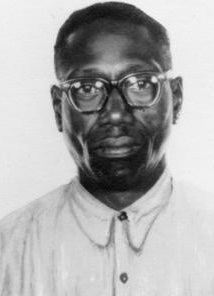
Randall Brent Woodfield, often known as the I-5 Killer or the I-5 Bandit, was a former college football player and Green Bay Packers draft pick whose violent crimes spread fear across the Pacific Northwest and Northern California in the late 1970s and early 1980s. His nickname came from the Interstate 5 corridor, where many of his robberies, sexual assaults, shootings, and murders occurred. Woodfield was convicted of the murder of Shari Lynn Hull and the attempted murder of her surviving co-worker, but investigators have linked him to additional killings through evidence, case patterns, and later forensic testing.
Woodfield was born on December 26, 1950, in Oregon. He grew up athletic and socially successful, and he became a standout football player at Portland State University. In 1974, the Green Bay Packers selected him in the NFL draft, but his football career collapsed after repeated criminal and behavioral problems, including indecent exposure arrests. After that, his offenses escalated. By the late 1970s, he had been convicted of crimes involving robbery and sexual assault, served prison time, and then returned to society. Not long after his release, a new and more violent crime spree began.
Escalation Along Interstate 5
Woodfield's known attacks often followed a similar pattern. He targeted women in homes, offices, businesses, convenience stores, motels, and other places near the I-5 corridor. He sometimes wore disguises, including a fake beard, and used a firearm to control victims. His crimes included armed robbery, forced sexual acts, kidnapping, rape, attempted murder, and murder. Some victims were people he knew or had met socially, while others were strangers who crossed his path during robberies.
The I-5 corridor made it difficult for police agencies to immediately connect the crimes. The attacks stretched through Oregon, Washington, and California, crossing city, county, and state lines. In early 1981, the number of similar assaults and shootings increased rapidly, and investigators began to suspect that the same offender was responsible for multiple crimes.
Known and Linked Murder Victims
- Cherie Lynn Ayers - Died October 9, 1980, in Portland, Oregon. Ayers was a 29-year-old X-ray technician and a former classmate of Woodfield. She was attacked inside her apartment in downtown Portland and was later found by her fiance on October 11, 1980. She had been sexually assaulted and violently killed. Woodfield was questioned because he knew her, but he was not charged at the time.
- Darcey Renee Fix - Died November 27, 1980, in Portland, Oregon. Fix was 22 years old and was killed on Thanksgiving Day inside a North Portland home. She had known Woodfield socially through college connections. She and Douglas Keith Altig were found shot to death. Later DNA testing linked Woodfield to this case.
- Douglas Keith Altig - Died November 27, 1980, in Portland, Oregon. Altig was 24 years old and was with Darcey Renee Fix when both were killed. The double homicide was carried out inside Fix's home. The victims were bound and shot. The case remained unresolved for years before later forensic evidence connected Woodfield to the murders.
- Shari Lynn Hull - Died January 18, 1981, in Keizer, Oregon. Hull was 20 years old and was working in a Transamerica office building with a female co-worker when Woodfield entered the office. He sexually assaulted both women and shot them. Hull died from her injuries. Woodfield was convicted of murdering Hull.
- Donna Lee Eckard - Died February 3, 1981, in Mountain Gate, Shasta County, California. Eckard was 37 years old. She and her teenage daughter were found shot to death in their home north of Redding, California. Their murders were later linked to the I-5 crime series.
- Janell Charlotte Jarvis - Died February 3, 1981, in Mountain Gate, Shasta County, California. Jarvis was 14 years old and was killed alongside her mother, Donna Lee Eckard. The crime scene showed that the attack was sexually motivated and extremely violent. The case became one of the California murders associated with Woodfield's I-5 spree.
- Julie Ann Reitz - Died February 15, 1981, in Beaverton, Oregon. Reitz was 18 years old and knew Woodfield through his work as a bartender or bouncer. She was attacked in her home during the early morning hours and shot to death. Years later, forensic evidence linked Woodfield to her murder.
Other Known Victims and Attacks
- Unnamed Seattle victim - Attacked December 21, 1980, in Seattle, Washington. A 25-year-old woman was assaulted at gunpoint in a restroom. She survived.
- Susie Benet - Attacked January 12, 1981, in Sutherlin, Oregon. Benet was a 20-year-old market clerk who was shot during a robbery. She survived.
- Two young sisters identified in later accounts as Merrisue and Megan Green - Attacked January 14, 1981, in Oregon. The girls were assaulted at gunpoint inside their home. Both survived.
- Female co-worker of Shari Lynn Hull - Attacked January 18, 1981, in Keizer, Oregon. The surviving victim was sexually assaulted and shot in the same office attack that killed Hull. Contemporary reports and later accounts identify her differently, but she survived and helped investigators build the case against Woodfield.
- Unnamed Redding-area victim - Attacked February 3, 1981, near Redding, California. A young woman was kidnapped and sexually assaulted during a robbery. She survived.
- Unnamed Yreka victim - Attacked February 4, 1981, in Yreka, California. A woman was kidnapped and sexually assaulted in an attack matching the I-5 Bandit pattern. She survived.
- Unnamed Corvallis victims - Attacked February 9, 1981, in Corvallis, Oregon. A fabric store clerk and a customer were robbed, bound, and sexually assaulted. Both survived.
- Unnamed Washington victims - Attacked February 12, 1981, in Vancouver, Olympia, and Bellevue, Washington. Robberies and sexual assaults occurred in a series of attacks attributed to the same offender pattern. The victims survived.
The Murder of Cherie Lynn Ayers
The murder of Cherie Lynn Ayers is often described as the beginning of Woodfield's known murder series. Ayers and Woodfield had known each other since childhood in Newport, Oregon. She was a professional woman living in Portland, and there was no immediate sign that her apartment had been randomly selected. Her death was brutal and personal in nature. Because Woodfield knew her and had corresponded with her before, police looked at him early, but the physical evidence available at that time did not lead to charges.
Ayers' killing showed elements that would later become familiar in the I-5 cases: sexual violence, sudden overpowering of the victim, and an offender who could move in and out of a scene without immediately drawing attention. Her case also demonstrated one of the challenges investigators faced in the early 1980s. Without modern DNA technology, cases that later appeared connected could remain unresolved for years.
The Thanksgiving Day Double Murder
On November 27, 1980, Darcey Renee Fix and Douglas Keith Altig were murdered in Portland, Oregon. The date was Thanksgiving Day. Fix was 22, Altig was 24, and both were found shot to death inside Fix's home. The crime was controlled and deliberate. The victims were restrained, and the shooting was described as execution-style. Fix had known Woodfield through social connections, which made the case especially disturbing because it suggested that he did not limit himself to strangers.
For many years, the murders of Fix and Altig remained officially unresolved. Later advances in forensic testing helped connect Woodfield to the crime. Their deaths became part of the broader understanding of the I-5 Killer case, showing that Woodfield's violence was not confined to commercial robberies or highway-adjacent attacks. He was also capable of entering private homes and killing people he knew.
The Keizer Office Attack
The January 18, 1981 attack in Keizer, Oregon, became the case that finally secured Woodfield's murder conviction. Shari Lynn Hull and her female co-worker were cleaning or working inside a Transamerica office building when Woodfield entered. He forced the women under his control, sexually assaulted them, and shot both of them. Hull died from her wounds. Her co-worker survived despite being shot and later became a key witness.
This attack was central to the prosecution because the surviving victim could describe the offender and because physical evidence helped connect Woodfield to the crime. The Keizer case also showed the extreme risk faced by women working late shifts in offices and businesses along the I-5 corridor during the period of Woodfield's spree.
The Mountain Gate Mother and Daughter Murders
On February 3, 1981, Donna Lee Eckard and her daughter Janell Charlotte Jarvis were found murdered in Mountain Gate, a community in Shasta County, California, north of Redding. Donna was 37, and Janell was 14. Both had been shot inside their home. The case was especially horrifying because it involved a mother and child killed together, and because evidence indicated a sexually motivated attack.
The Mountain Gate murders expanded the scope of the investigation beyond Oregon. They showed that the same violent offender was likely moving down the I-5 corridor and crossing state lines. The timing of the murders also fit the rapid acceleration of Woodfield's crimes in early 1981, when attacks were occurring only days apart.
The Murder of Julie Ann Reitz
Julie Ann Reitz was killed on February 15, 1981, in Beaverton, Oregon. She was 18 years old and had met Woodfield through his work in Portland nightlife. Her murder occurred in her home during the early morning hours after Valentine's Day. Investigators found signs that she may have known or trusted the person who entered the home. She was sexually assaulted and shot.
Reitz's murder was later linked to Woodfield through forensic evidence. Her case became one of the additional deaths connected to him after his conviction. Like the Ayers case, it showed how Woodfield could use social familiarity to gain access to a victim before attacking.
Arrest and Conviction
Woodfield was arrested in March 1981 after investigators connected him to the I-5 crime pattern. Witness accounts, ballistics, physical evidence, and his movements all helped focus attention on him. His gold Volkswagen was also associated with the investigation, and police recovered items that supported the case against him.
In June 1981, Woodfield was convicted of murdering Shari Lynn Hull and attempting to murder her surviving co-worker. He received a life sentence plus additional years. Later, he was also convicted in a separate sexual assault and weapons case, adding more time to his sentence. Although he was convicted of only one murder, investigators and later forensic testing linked him to several other killings.
Suspected Total Victim Count
The exact number of Woodfield's victims remains uncertain. He has been linked to multiple murders and many sexual assaults, but authorities have also suspected him in additional unsolved cases. Estimates have varied widely, with some investigators and crime researchers suggesting he may have been responsible for far more crimes than those that led to convictions. Some accounts connect him to at least 18 killings, while broader suspicions have placed the possible number even higher.
What is clear is that Woodfield's known crimes created a pattern of predatory violence across the I-5 corridor. He targeted women in vulnerable situations, used weapons to dominate victims, and frequently combined robbery with sexual violence. His crimes left families grieving across Oregon, Washington, and California.
Legacy of the Case
The Randall Brent Woodfield case remains one of the most notorious serial killer cases in Pacific Northwest history. It is remembered not only because Woodfield had once been a promising athlete, but because his public image sharply contrasted with the violence he committed. His case also demonstrates how serial offenders can exploit geography, mobility, and disconnected police jurisdictions.
Later DNA testing helped bring some measure of clarity to cases that had remained unresolved for decades. For the families of Darcey Fix, Douglas Altig, Julie Reitz, Donna Eckard, Janell Jarvis, Cherie Ayers, Shari Hull, and others, the case is not simply the story of a killer. It is the story of lives ended or permanently damaged by a man who used charm, mobility, and violence to prey on others. Woodfield remains imprisoned, and his name remains permanently tied to the terror that once followed Interstate 5.