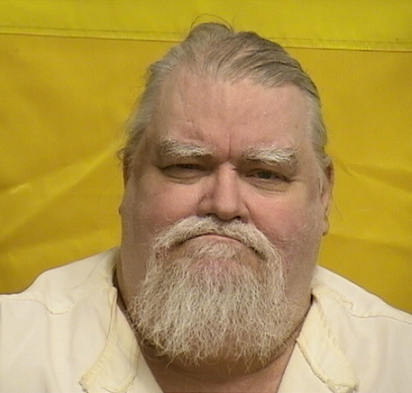
Richard James Beasley – The Craigslist Killer
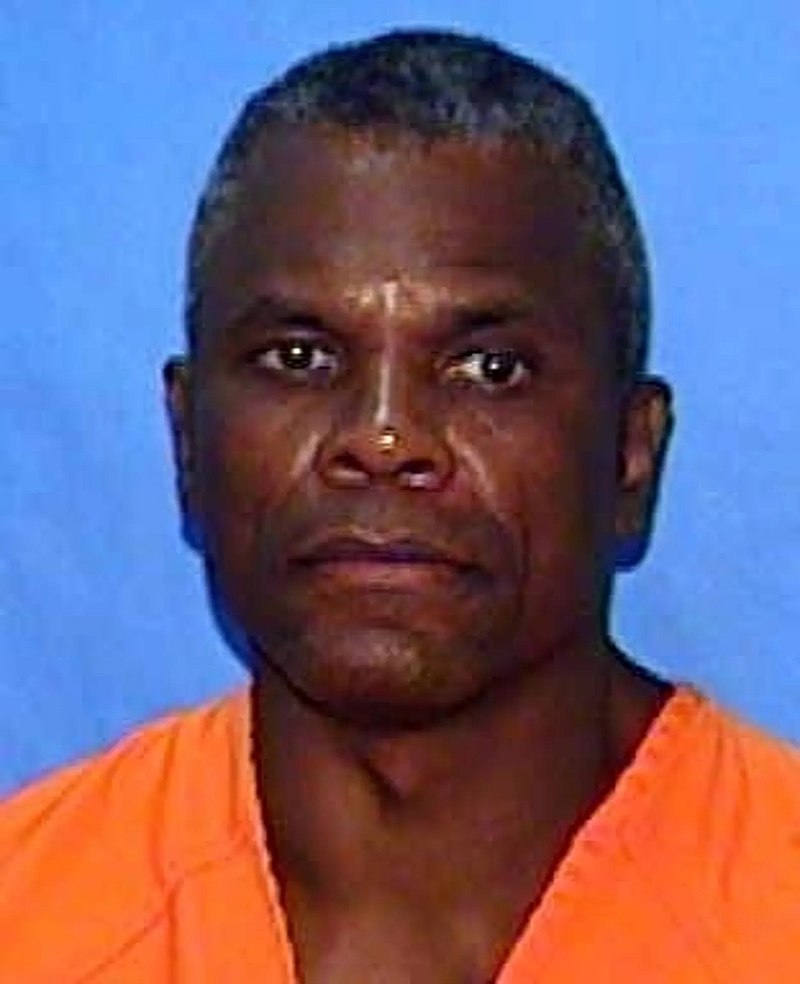
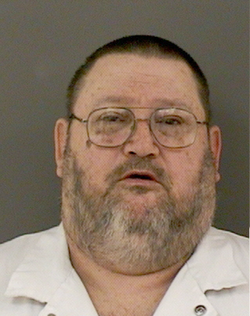
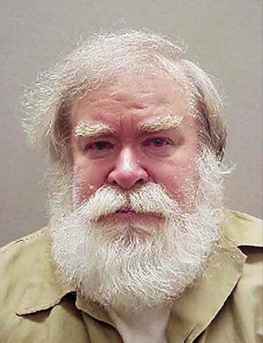
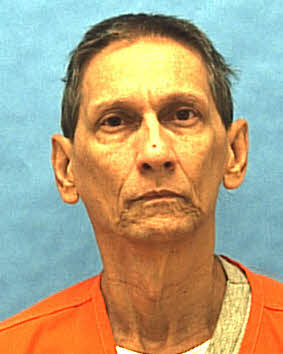
Richard James Beasley, born June 15, 1959, became known as the "Craigslist Killer" after authorities uncovered a calculated robbery and murder scheme that targeted men looking for employment in Ohio. Between August and November 2011, Beasley and his teenage accomplice, Brogan Rafferty, lured men with promises of work, housing and a new beginning. Three men were murdered and a fourth survived an attempted killing. The crimes took place primarily in remote areas of Noble County and Summit County, Ohio.
Beasley presented himself as someone capable of helping people in difficult circumstances. He had previously described himself as a minister or chaplain and had been involved in religious and charitable activities around Akron. Behind that image, however, was an extensive criminal history dating back decades. He had convictions in Texas, including burglary and unauthorized use of a motor vehicle, had spent years in prison, and was still dealing with criminal and parole problems when the 2011 murders occurred.
The Murder Scheme
The central element of Beasley's scheme was a nonexistent farm job. Advertisements placed on Craigslist offered employment as a farmhand or caretaker on a large cattle farm in southeastern Ohio. Applicants were promised approximately $300 per week, housing in a trailer and, in some versions of the offer, access to vehicles and other benefits. The supposed farm did not exist.
The advertisements were particularly attractive to people who were unemployed, experiencing financial problems or hoping to make a new start. Applicants were questioned about their backgrounds, possessions and personal circumstances. Some were encouraged to bring their belongings because they were supposedly moving permanently to the property. Prosecutors ultimately argued that this gave Beasley an opportunity not only to isolate his victims but also to steal their vehicles, property, money and identification after killing them.
Beasley worked with Brogan Rafferty, who was only 16 years old during the murders. Rafferty helped communicate with victims, travel with Beasley, prepare burial locations and participate in the criminal operation. Evidence presented in court portrayed Beasley as the dominant figure in the relationship and the organizer of the scheme.
Ralph Geiger
Ralph Henry Geiger was the first known murder victim. Geiger, 56, had once operated a successful construction business but was homeless by 2011 and staying at an Akron shelter. In early August, he told people at the shelter that he had obtained work on a farm in southern Ohio. He left Akron expecting employment and a chance to improve his circumstances.
On August 8, 2011, Geiger checked into a Best Western hotel in Caldwell, Ohio, with two other people. Evidence later showed communications between phones connected to Geiger, Beasley and Rafferty during this period. The Ohio Supreme Court concluded that Geiger was most likely murdered on the morning of August 9, 2011.
Geiger was shot once in the head and buried in a shallow grave in a remote wooded area of Noble County. His body would remain concealed for more than three months. After Geiger's death, Beasley began using Geiger's identity. He possessed Geiger's identification documents, used the name Ralph Geiger while dealing with other people, submitted employment applications under Geiger's name, opened a bank account and used the identity while seeking medical treatment.
Investigators and prosecutors believed obtaining Geiger's identity was a significant motive for his murder. Beasley's later use of Geiger's name became an important piece of circumstantial evidence connecting him to the crime.
David Pauley
David Michael Pauley, 51, lived in Norfolk, Virginia, and had been unemployed for approximately two years. On October 9, 2011, he responded to a Craigslist advertisement offering work as a caretaker on what was described as a 688-acre cattle farm in Ohio. The position supposedly paid $300 per week and included a trailer where the employee could live.
Pauley believed he had secured the job. He packed his possessions into a U-Haul trailer, attached it to his blue pickup truck and left Virginia on October 22. His twin sister spoke with him that evening while he was traveling through West Virginia. It was the last time she would speak with him.
On October 23, 2011, Pauley met the men connected with the supposed job and was taken into the rural area near Caldwell in Noble County. He was shot once in the head and buried in a shallow grave. Within hours of Pauley's disappearance, Beasley was seen in possession of Pauley's pickup truck, U-Haul trailer and belongings.
Beasley told an acquaintance that he had obtained a storage unit that happened to contain a truck and a trailer full of property. Items belonging to Pauley were unloaded and dispersed, and the U-Haul trailer was returned in Akron on October 24. These actions provided investigators with evidence demonstrating how rapidly the killers began taking control of a victim's property after his death.
The Attempted Murder of Scott Davis
The scheme began to collapse because Scott Davis survived. Davis was a self-employed landscaper from South Carolina who wanted to return to Ohio to be closer to family. He responded to the same type of Craigslist advertisement and was promised employment, housing and approximately $300 per week.
On November 6, 2011, Davis met Beasley and Rafferty at a restaurant in Marietta, Ohio. Beasley was using the name "Jack." After breakfast, the men traveled toward the supposed farm. Davis left his own vehicle behind because he was told that road conditions prevented him from driving it to the property.
Beasley eventually led Davis into a wooded area near Don Warner Road in Noble County, supposedly to look at something on the property. Davis heard the click of a firearm and realized he was being attacked. During the confrontation he was shot in the arm near the elbow, but he managed to escape into the woods.
Davis hid for hours before reaching a nearby residence and asking for help. He was taken for medical treatment and told authorities about the fake farm job, the two men who had taken him into the woods and the attempt on his life. His survival gave investigators the first direct account of the operation and led police back to the area where other victims had been buried.
Timothy Kern
Timothy John Kern, 47, of the Massillon area was a divorced father of three sons. He was working part time at a gas station and was sometimes living in his car or staying with friends. He was searching for more stable employment when he responded to an advertisement for the farm caretaker position.
On November 9, 2011, Kern's son drove him to an interview at a Waffle House near Interstate 77. Surveillance footage showed Kern meeting a man resembling Beasley. Kern later told his family that he had been hired and would soon be leaving for the farm.
On November 13, Kern prepared to report for the job. The previous evening, his former wife had notarized paperwork transferring the title of his Buick because Kern had been told that the vehicle needed to be placed in his employer's name. Early on November 13, surveillance evidence recorded Kern waiting in the parking lot of a pizza shop in Canton. Beasley and Rafferty met him there.
Kern was taken to a wooded area near the abandoned Rolling Acres Mall property in Akron. A grave had already been prepared. According to evidence presented in the cases against Beasley and Rafferty, Kern was led into the wooded area under a pretext and was shot multiple times in the head. He was buried in the prepared grave. Kern was killed on November 13, 2011.
Confirmed Murder Victims
- Ralph Henry Geiger, 56 – Murdered August 9, 2011, in the Caldwell area of Noble County, Ohio. Geiger was shot once in the head and buried in a shallow grave. His body was recovered on November 25, 2011. Beasley subsequently used Geiger's identity and identification documents.
- David Michael Pauley, 51 – Murdered October 23, 2011, in a remote wooded area near Caldwell in Noble County, Ohio. Pauley was shot once in the head and buried in a shallow grave. His pickup truck, trailer and personal property were taken following his death. His body was recovered in November 2011.
- Timothy John Kern, 47 – Murdered November 13, 2011, in a wooded area near the former Rolling Acres Mall in Akron, Summit County, Ohio. Kern suffered multiple gunshot wounds to the head and was buried in a shallow grave. His body was discovered on November 25, 2011.
Surviving Victim
- Scott Davis – Attacked November 6, 2011, near Caldwell in Noble County, Ohio. Davis had answered the fraudulent farm-job advertisement and traveled to Ohio believing he had been hired. He was shot in the arm but escaped through the woods and reached a nearby residence. His report to authorities was instrumental in exposing the murder scheme.
Other Men Who Encountered Beasley
Evidence at Beasley's trial showed that several other job seekers communicated with or were interviewed by him but were not attacked. Daniel DeWalt became suspicious after he could not locate the supposed farm in public property records and told Beasley that he owned a gun. George Brown mentioned his background in martial arts and security work during an interview, after which Beasley abruptly ended their discussion. Another applicant, Dave LeBlond, told Beasley that he had a fiancée and was never contacted about the job again.
Prosecutors used these encounters to support their argument that the operation was selective. Beasley appeared to prefer men who could be isolated, robbed and killed without creating an immediate alarm, while applicants who appeared capable of defending themselves or who had close personal connections were passed over.
Discovery of the Bodies and Arrests
After Davis escaped, investigators began searching the Noble County property and surrounding woods. On November 14 and 15, search teams located evidence of graves and recovered David Pauley's body. On November 25, investigators recovered Ralph Geiger's body from another shallow grave in the same general area.
Information obtained during the investigation also led authorities to the wooded area near Rolling Acres Mall in Akron. Timothy Kern's body was recovered there on November 25. His driver's license and Social Security card were still with him.
Investigators assembled evidence from cell phones, cellular tower records, computers, email accounts, Craigslist communications, surveillance cameras, vehicles, stolen property and witness statements. Records showed communications between phones associated with the victims and phones tied to Beasley during critical periods immediately before the murders.
Richard Beasley was arrested on November 16, 2011. Rafferty was also taken into custody. A search of Rafferty's room produced firearms and ammunition, while searches connected to Beasley uncovered property and information belonging to victims. Investigators also found evidence that fraudulent employment advertisements continued to be prepared even as the investigation was closing in.
Trial and Conviction
Beasley went on trial in Summit County in February 2013. Prosecutors presented the killings as a single calculated course of conduct in which victims were enticed with offers of legitimate employment and then taken to isolated locations for robbery and murder. Scott Davis testified about surviving the November 6 attack, while numerous other witnesses described Beasley's possession of the murdered men's property and his use of Ralph Geiger's identity.
On March 12, 2013, a jury convicted Beasley on numerous charges, including the aggravated murders of Ralph Geiger, David Pauley and Timothy Kern, the attempted murder of Scott Davis, kidnapping, aggravated robbery and weapons offenses. The jury recommended the death penalty for each of the three murders.
On April 4, 2013, Beasley received three death sentences, along with additional prison sentences for his noncapital crimes. Brogan Rafferty, who had been 16 when the murders occurred, was separately convicted for his role in the crimes and initially received a sentence of life imprisonment without parole.
Appeals and Current Status
Beasley appealed his convictions and death sentences. In 2018, the Supreme Court of Ohio affirmed his convictions and all three death sentences. The court ordered a limited resentencing concerning certain noncapital offenses because the original sentencing court had not made all of the findings required for consecutive prison terms. That ruling did not overturn the death sentences.
A resentencing hearing on the noncapital offenses was held in 2020, and Beasley continued receiving consecutive prison terms in addition to his capital sentences. His subsequent legal challenges have not overturned the murder convictions or death sentences.
Richard James Beasley remains incarcerated in Ohio under sentences of death for the murders of Ralph Geiger, David Pauley and Timothy Kern. The case became one of the most notorious examples of an offender using an online classified advertisement as a means of identifying, deceiving and isolating victims. The survival of Scott Davis ended the scheme and gave investigators the information that ultimately exposed the graves, connected the victims and brought Beasley and Rafferty to justice.