Samuel Tyler Ericksen and the 2025 Mount Washington Triple Homicide
The Fatal Shooting on Beacon Street
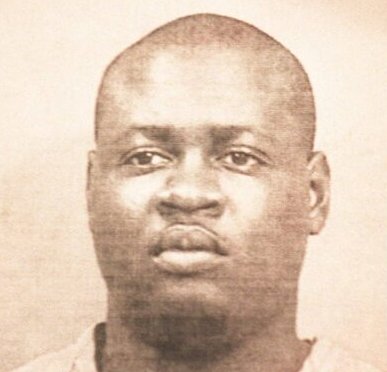
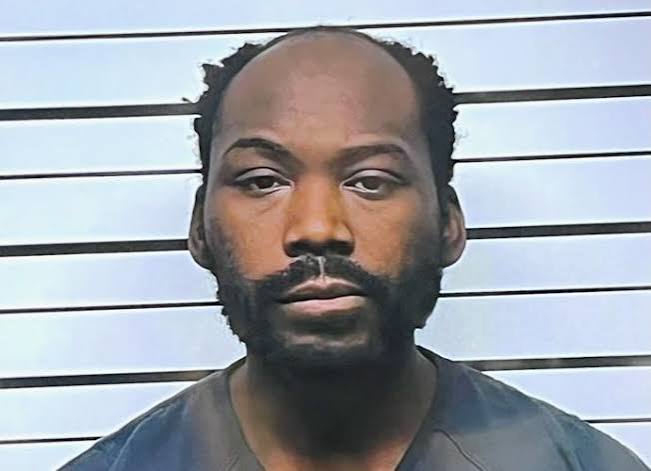
Samuel Tyler Ericksen was identified by Cincinnati police as the suspected gunman responsible for killing three young people in the Mount Washington neighborhood of Cincinnati, Ohio, on August 31, 2025. The shooting occurred at approximately 1:30 p.m. inside an apartment building in the 1500 block of Beacon Street, a residential area east of downtown Cincinnati.
Police and emergency personnel responding to the address discovered a devastating scene involving Ericksen and three victims. Twenty-seven-year-old Bemnet Deresse and one of the two female victims were pronounced dead at the location. The other woman was transported to a hospital in critical condition but later died from her injuries. Ericksen was also found suffering from what police described as a self-inflicted gunshot wound and was taken to the University of Cincinnati Medical Center.
The victims were identified as Bemnet Deresse, Eden Adugna and Feven Adugna. Some early news reports spelled the sisters’ surname as Adunga, but other reporting identified them as Eden and Feven Adugna. Eden was 22 years old, while Feven was 20. The two young women were sisters who had immigrated to the Cincinnati area from Ethiopia. Deresse was a 27-year-old man whose friends remembered him as cheerful, hardworking and capable of making people laugh.
Victims of the Mount Washington Shooting
- Bemnet Deresse, 27: Shot and killed on August 31, 2025, at an apartment building in the 1500 block of Beacon Street in Cincinnati’s Mount Washington neighborhood. Friends described him as happy, hardworking and humorous. Local reporting indicated that he worked at a store on Montana Avenue.
- Eden Adugna, 22: Shot on August 31, 2025, at the Beacon Street apartment building. She was one of two sisters killed in the attack and worked as a pharmacy technician at Good Samaritan Hospital in Cincinnati.
- Feven Adugna, 20: Shot on August 31, 2025, at the same Mount Washington location. She was Eden’s younger sister and also worked as a pharmacy technician at Good Samaritan Hospital.
Ericksen’s Connection to the Victims
Investigators determined that the shooting was not a random attack. Cincinnati police said Ericksen knew at least one of the victims and had a romantic interest in, or a romantic relationship with, one of them. Authorities did not publicly disclose every detail of that relationship, and early reports differed slightly in how police characterized it.
Additional reporting indicated that one of the victims had received a photograph of a firearm from Ericksen approximately one week before the shooting. That reported communication raised questions about whether the photograph had been intended as a threat, warning or attempt at intimidation. Because Ericksen died before he could be interviewed or prosecuted, investigators were left to reconstruct the events through electronic communications, witness accounts and physical evidence.
Police stated that they did not believe the killings were motivated by racial, ethnic or religious hatred. The fact that the victims had Ethiopian connections prompted public questions about a possible hate-crime motive, but Cincinnati police said their investigation did not support classifying the shooting as a hate crime. Instead, the available evidence pointed toward a personal connection involving Ericksen and at least one victim.
The Death of Samuel Tyler Ericksen
Ericksen, 26, survived the initial response to the shooting but was hospitalized in critical condition. Police said the injury he suffered was self-inflicted. He remained under medical care at the University of Cincinnati Medical Center until his death was announced on September 3, 2025.
His death meant that no arrest, indictment or criminal trial would take place. Although police identified Ericksen as the suspected shooter and said they believed he killed all three victims before shooting himself, he was never convicted in court. The legal case effectively ended with his death, while the police investigation continued long enough to establish the circumstances, relationships and sequence of events surrounding the killings.
The Lives of Eden and Feven Adugna
Eden and Feven were remembered not only as sisters but also as valued healthcare workers. Both were employed as pharmacy technicians at Good Samaritan Hospital, part of the TriHealth medical system. Their deaths deeply affected their relatives, friends and coworkers, many of whom had known the sisters as kind, caring and dependable young women.
TriHealth publicly expressed devastation over the deaths and described the sisters as cherished members of the hospital team. Coworkers said the sisters were widely loved and known for their kindhearted personalities. Their work placed them in positions where they helped support patients and medical staff, making their sudden deaths especially painful for the hospital community.
Family and friends said Eden and Feven had immigrated from Ethiopia and were building their lives in Cincinnati. The sisters’ shared profession, close family relationship and promising futures became central parts of the public remembrance that followed the murders.
Remembering Bemnet Deresse
Bemnet Deresse was remembered by friends as a hardworking man with a warm and engaging personality. Those who knew him said he could quickly make others laugh and brought a sense of happiness to the people around him. Reports indicated that he worked at a business on Montana Avenue in Cincinnati.
Authorities did not immediately explain the precise nature of Deresse’s connection to Ericksen or to the sisters. While police established that Ericksen knew at least one victim, the relationships among all four people remained less clearly defined in the initial public reports. Deresse’s death nevertheless became part of the same devastating act of violence that claimed the lives of Eden and Feven.
Investigation and Unanswered Questions
The central unanswered question was why Ericksen chose to kill three people on the afternoon of August 31. Police disclosed evidence of a personal or romantic connection but did not publicly provide a complete explanation of the conflict that preceded the shooting. Investigators examined the warning signs, communications and relationships leading up to the attack, including the reported firearm photograph sent before the murders.
Because Ericksen died without providing a statement, his exact thoughts and intentions could not be tested through interrogation or at trial. No jury heard evidence, and the victims’ families were denied the opportunity to see him held criminally responsible in court. Police findings identified him as the suspected perpetrator, but many personal details concerning the motive remained unresolved publicly.
Community Impact
The killings shocked residents of Mount Washington and the broader Cincinnati community. Three young adults were killed in the middle of a holiday weekend, leaving families, coworkers and friends to mourn lives ended without warning. The violence also renewed concerns about relationship-based threats, access to firearms and the importance of taking threatening communications seriously.
What occurred inside the Beacon Street apartment building was a brief but catastrophic eruption of violence. By the time the incident ended, Bemnet Deresse, Eden Adugna and Feven Adugna had been mortally wounded, while Samuel Tyler Ericksen had suffered a self-inflicted injury that would also prove fatal. The deaths left no possibility of a criminal trial and no complete public explanation from the person police believed was responsible.
Final Outcome
Cincinnati police concluded that Samuel Tyler Ericksen was the suspected gunman in the August 31, 2025, triple homicide. He was believed to have fatally shot Bemnet Deresse, Eden Adugna and Feven Adugna before turning the weapon on himself. Ericksen died at the University of Cincinnati Medical Center on September 3, three days after the shooting.
The case ended with four deaths and no surviving defendant. The victims were remembered through the lives they had built, the people they had helped and the relationships they left behind. Eden and Feven were mourned as devoted sisters and healthcare workers, while Bemnet was remembered as a hardworking and joyful friend. Their murders became one of Cincinnati’s most painful acts of multiple-victim violence in 2025.