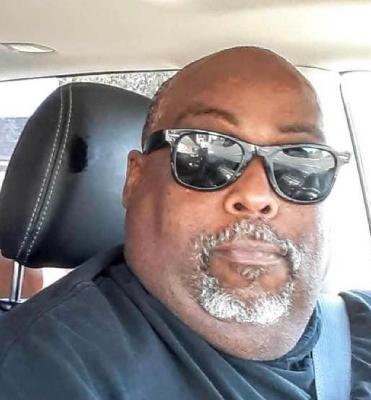
On the night of December 2, 2014, Haywood Keith Payne Jr., a 32-year-old man from Lynchburg, Virginia, stopped by a relative’s home on Fort Avenue for what began as an ordinary visit. As the evening pushed toward 10 p.m., he called his girlfriend to say he was heading home soon. Moments later, tension rose inside the apartment—Payne can be heard trying to settle things down, telling the other man to calm down—until the calm snapped. At 10:07 p.m., Payne reached for the phone again, this time dialing 911 to say he’d been shot in the chest and abdomen and needed help right away, and when asked who shot him, he indicated the shooter was still standing over him.
Officers rushed to 3526 Fort Avenue with the chilling warning that the gunman might still be inside. They called out for anyone in the apartment to come out with hands raised, then edged through an unlocked door and performed a cautious sweep. After about two minutes, a man emerged from a back room and was taken into custody on the spot. While officers secured the scene, an officer questioned Payne, who identified the shooter as a family member and confirmed it was the man police had just arrested.
Payne was transported to Lynchburg General Hospital, where doctors rushed him into surgery. In the days that followed, the shooting’s details hardened into a grim timeline: the victim remained critically injured, and medical staff documented his deteriorating condition. Within the hospital’s urgent bustle, a forensic nurse examiner tried to learn who had shot him; according to later court records, Payne initially named Larry Mosley, though his ability to recall and speak clearly shifted as the days passed. He died from his injuries on December 8, 2014, a development that transformed the case from a wounding investigation into a homicide.
After Payne’s death, authorities obtained a new warrant upgrading the allegation from malicious wounding to second-degree murder, and a grand jury later indicted Larry Donnell Mosley on murder, possession of a firearm by a convicted felon, and use of a firearm in the commission of murder. Investigators documented a. 38-caliber revolver in the apartment and later forensic testing linked the fatal bullets to that weapon. The medical examiner traced two bullet paths through major organs—injuries described as individually capable of causing death—and noted evidence suggesting Payne was moving when he was shot.
The case ultimately landed in front of a jury in 2015, with the central dispute turning on Mosley’s claim of self-defense. The defense emphasized the age and size difference between the men, arguing that Mosley fired because he feared he was about to be harmed; prosecutors countered that the evidence did not match a desperate struggle, pointing out that Mosley had no injuries and highlighting testimony and forensics that suggested Payne was backing away when the shots were fired. The jury found Mosley guilty of second-degree murder, along with the related firearm counts, and recommended a 38-year prison sentence within a broader sentencing range tied to the combined convictions.