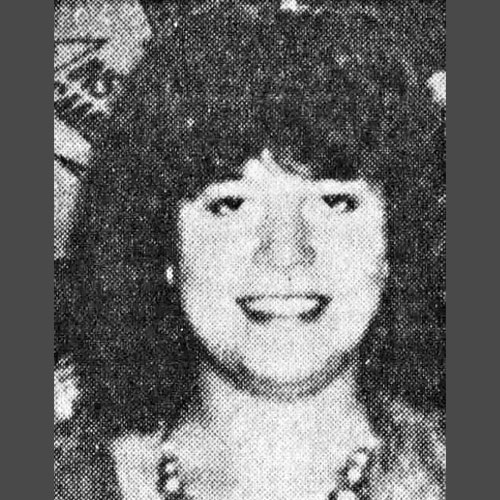
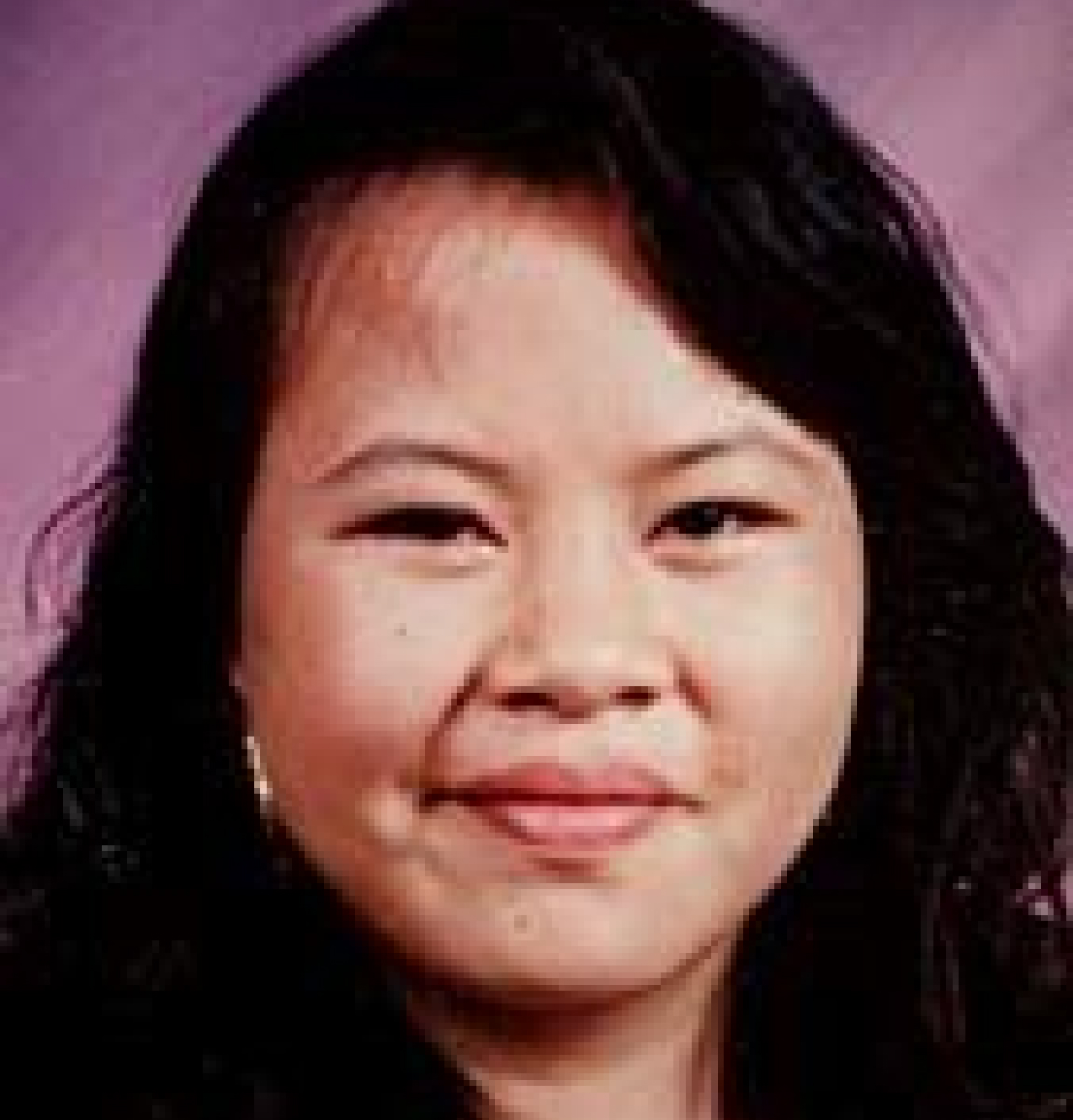
On the morning of Dec. 22, 2023, the holiday rush was beginning to build at Pearlridge Center in ʻAiea when gunfire shattered the routine. Theresa Cachuela, 33, a Latina woman, was shot and killed in the shopping center’s parking garage as she moved through an ordinary errand with her child nearby, a moment that turned instantly into a scene of panic, lockdowns, and disbelief for witnesses who heard multiple shots echoing through the concrete.

In the days that followed, the outlines of what led to that morning came into sharper focus: a relationship already breaking apart, and a paper trail of fear. Court records and reporting describe how Cachuela sought legal protection after escalating harassment and threats, including episodes in which her estranged husband, Jason Cachuela, had threatened suicide and behaved in ways that left her feeling trapped and unsafe. She obtained a temporary restraining order on Dec. 8, and after a Family Court hearing on Dec. 20, an order of protection was approved that was intended to keep him away and bar him from possessing firearms. 
But the protections did not hold back what came next. Police served the restraining order on Dec. 11 and seized five firearms registered to Jason Cachuela, yet two days after the protection order was set to run through Dec. 20, 2023, he confronted her at Pearlridge Center and shot her. There was no arrest or court case that could unfold afterward because the suspect fled the scene and was later found dead behind a Waipahu residence from a self-inflicted gunshot wound, ending the incident as a suspected murder-suicide. 
As the shock settled into grief, questions remained about the failures and gaps that surrounded her final weeks. Reporting later described how Cachuela reached out for help repeatedly, including multiple 911 calls in the weeks before her death; in one call on Dec. 10, 2023, she told a dispatcher that her husband was chasing her by car and said she had a TRO against him. Her mother later said Cachuela believed she was turned away when she sought help in person, deepening a family’s conviction that the system around her did not respond with urgency to what was building. 
One of the most haunting unanswered details centered on the weapon itself. Even after police had confiscated the firearms registered in Jason Cachuela’s name, he still had a gun on Dec. 22. Later reporting described it as an unserialized “ghost gun,” a Glock-style semi-automatic pistol linked to Polymer80, the kind of firearm that can be difficult to trace because it lacks a serial number. Investigators publicly said they found no evidence showing how he obtained it or whether he manufactured it himself, leaving the central question—how he got it at all—dangling over the case long after the immediate tragedy had ended.