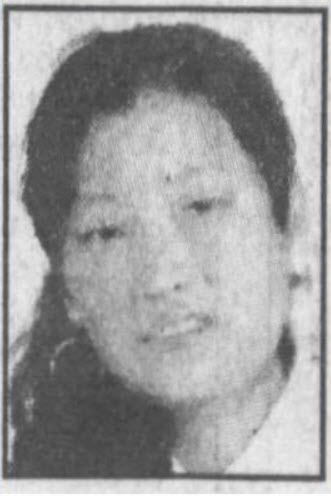
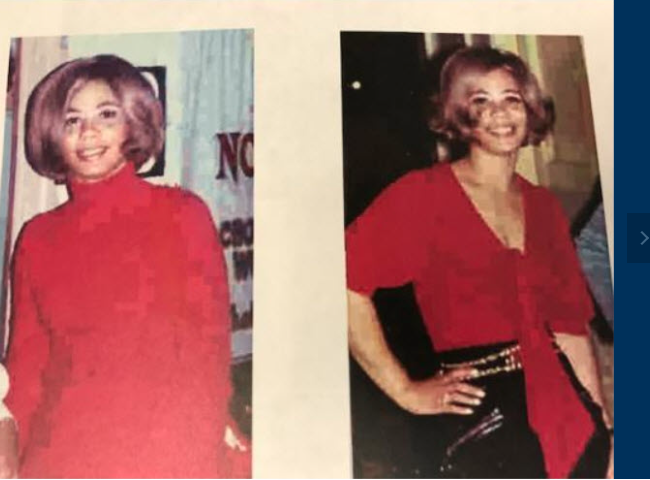
Lisa Au was a 19-year-old Asian/Pacific Islander woman whose last ordinary evening on Oahu dissolved into a mystery that has never stopped echoing through the island. On a night of heavy winter rain in January 1982, she finished her shift as a Kailua hairdresser and headed to Makiki to spend time with her boyfriend, University of Hawaiʻi student Doug Holmes, at his sister’s apartment.
Near midnight, the evening wound down; shortly after, the two walked to where their cars were parked, said goodnight, and separated. Lisa called to say she was on her way home, then disappeared into the storm-dark streets and was never seen alive again. 
By morning, worry hardened into panic. When she didn’t arrive home, she was reported missing, and the search widened from family calls and frantic driving to police involvement. Her Toyota was found abandoned along a roadway in Kailua, turned into a soaking, uncanny scene: water pooled inside and the driver’s seat was drenched, yet her purse sat dry, with keys and wallet still inside. Stranger still, her driver’s license and her vehicle registration were missing—small items that suggested, to some investigators, a “stop” that wasn’t an accident at all, but an encounter where someone demanded identification and took it away. 
As the days dragged on, fear shifted from the weather to the possibility of a predator. Witness recollections later fed a chilling theory: a vehicle following behind her with blue flashing lights, the kind that could make a young driver pull over without question. On an island where people recognized one another’s cars and routines, the idea that authority—or someone pretending to have it—could be used as a lure spread quickly, and with it came rumors that the truth might sit uncomfortably close to law enforcement itself. 
Ten days after she vanished, the search ended in the steep terrain above Honolulu. A jogger discovered her nude, decomposed body down in a ravine on the slopes of Tantalus in the Makiki area. Decomposition was so advanced that investigators said they could not determine a definitive cause of death, leaving behind only the blunt conclusion that she had been killed and left there. With so much time lost between the last sighting and the discovery, the case felt damaged by its own delays—evidence washed by rain, memories dulled by days, and crucial moments forever missing. 
Over the years, investigators questioned people and pursued leads, but the path to accountability never solidified. Holmes denied involvement, and despite the suspicion that swirled around possible police involvement or a police impersonator, authorities have publicly maintained that no one has been arrested in connection with her killing. A grand jury was convened and heard evidence, yet it failed to reach a decision; after it disbanded in 1984, the case drifted back into silence, resurfacing only when renewed attention or fresh tips promised movement. Decades later, Lisa Au’s death remains an open, unresolved homicide—an unfinished story marked by a rain-soaked car, missing identification, and the unanswered question of who had the power to make her stop.