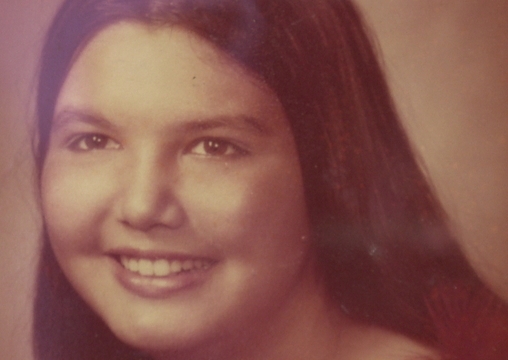
Tiana Pascual-Dias was 17, female, and Native Hawaiian. On the night of September 30, 2016, her story converged with the glare of resort lights and the quiet edges of Oʻahu’s North Shore, when emergency crews were called to the parking lot of Turtle Bay Resort in Kahuku. When responders arrived, Tiana and a 44-year-old man, Shane Francisco, were found down on the ground. Both were rushed to a hospital, but neither survived.
The Honolulu Medical Examiner’s Office determined that both had suffered gunshot wounds to the head and ruled the deaths suicides—an official conclusion that framed what happened as a double suicide rather than a homicide. The decision settled the legal question of “who fired,” yet it did not quiet the questions that followed, because the relationship between the teenager and the older man had already drawn fear and opposition long before that night.
Court records described a mother’s attempt to put distance between her daughter and Francisco: months earlier, she had sought a protective order against him. In those documents, she said the relationship may have begun when Tiana was only 13 or 14, a detail that deepened public alarm once the deaths became known. The case quickly became a flashpoint for broader concerns about adults and minors, and about warning signs that, in hindsight, looked like desperate flares.
As the community tried to piece together how the two ended up together at Turtle Bay, people who had been close to Tiana offered a darker portrait than the word “suicide” alone could capture. A recent boyfriend told local reporters that she appeared to be trapped in an abusive relationship with Francisco, describing him as someone forcing his way into her life while she tried to pull free. Domestic-violence advocates also questioned why he had not faced criminal charges over an alleged sexual relationship with a minor, arguing that intervention earlier in the relationship might have changed the ending for everyone involved.
Because Francisco also died at the scene, there were no arrests, no prosecution, and no trial to answer what a courtroom might have asked—only records, testimony from those who worried about her, and an official ruling that closed the case in law even as it left an aftertaste of unfinished grief in the lives around her.