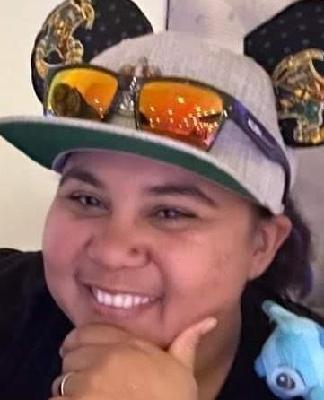
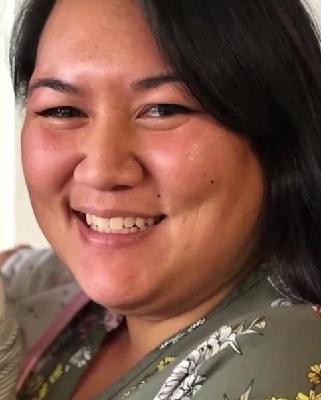
Late on Aug. 31, 2024, violence erupted on Waiʻanae Valley Road in Waiʻanae after a neighborhood dispute spiraled into a deadly rampage. Jessyca Amasiu, 29, was a woman caught in the chaos as gunfire tore through a family gathering under a carport, turning an ordinary night into a scene of panic and heartbreak. 
Investigators said the confrontation grew out of tensions between neighboring households, tied to ongoing frustrations about a nearby party venue and what residents
described as dangerous driving on the road. Around 11:15 p.m., police said a neighbor drove a front-end loader into the area of the gathering, ramming vehicles and leaving the carport partially collapsed, then opened fire as people tried to run. Alongside the three people who were killed, two others were critically wounded and rushed to the hospital. 
Police later identified the shooter as Hiram Silva, 59. Witnesses told authorities the front-end loader carried multiple 55-gallon drums of fuel, and police described reports that shots were fired toward those drums during the incident, adding to the fear that the destruction could have become even worse. As the shooting unfolded, a resident of the targeted home fired back with a handgun and fatally shot Silva, bringing the rampage to an end. 
In the immediate aftermath, that resident, Rishard Keamo-Carnate, was arrested on suspicion of second-degree murder, a move that drew anger and confusion in the community given the circumstances described by police and witnesses. Prosecutors ultimately declined to file charges, with authorities citing issues related to self-defense and defense of others, and he was released while the case moved forward without criminal charges against him. 
As officials continued piecing together what happened, the Honolulu Medical Examiner’s findings added grim detail about the attacker’s end and condition, reporting that Silva died from a gunshot wound to the torso and that he was highly intoxicated, with a blood alcohol level reported at 0.182%. For those who knew Amasiu, the public reporting that followed described a life rooted in the Waiʻanae community, including her connection to Waiʻanae High School and her recent work at First Hawaiian Bank—details that sat in painful contrast to the suddenness of her death and the dispute that set the tragedy in motion.