Rhonda Lynn Alohalani Ahu, a 45-year-old Hawaiian Native woman from Hilo, Hawaiʻi, was killed in a burst of violence that shattered her family home on Leilani Street. Police were called after reports of gunshots and found Rhonda and her mother, Elaine Ahu, both suffering fatal wounds inside the residence. Two children who were in the house were not injured, but the scene left behind the kind of devastation that ripples far beyond one night, turning a home into the center of a double-murder
investigation.
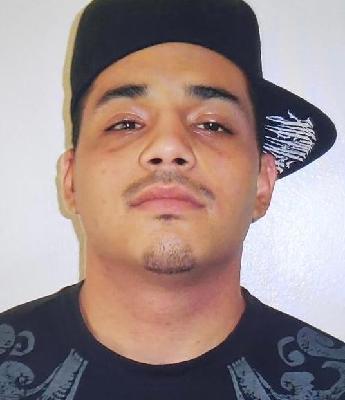
Investigators quickly focused on Sean Ivan Masa Matsumoto, Rhonda’s boyfriend, who was taken into custody at the scene. After conferring with prosecutors, police charged him with first-degree murder, two counts of second-degree murder, three counts of use of a firearm in the commission of a separate felony, and first-degree reckless endangering. He was held without bail, and prosecutors argued early on that he posed a serious flight risk because the top charge exposed him to a sentence of life without parole.
The case also drew attention to a troubling history that had existed before the killings. Court records cited in local coverage showed that Matsumoto had a prior arrest for abuse of a family or household member. He had also been arrested again for violating probation after failing to attend a domestic-violence treatment program, and those same records said Rhonda had once posted bail for him. In hindsight, those details made the case feel even more tragic, suggesting that the danger had been building long before the gunfire ended her life.
The prosecution did not end with the initial arrest. Matsumoto first fought the case, and later appellate rulings show that he challenged the admissibility of statements he made to detectives after a polygraph examination in related proceedings. But the homicide case itself ultimately resolved years later when he pleaded guilty in June 2017 to two counts of second-degree murder and to using a firearm in the commission of a separate felony. That plea closed the question of who was responsible, even if it could not soften what had happened inside the Ahu home.
At sentencing, the case reached its final public chapter. Reporting on the hearing said family members spoke about the pain the murders had caused, and Matsumoto was sentenced to life in prison with the possibility of parole. So in the end, there was an arrest, a named suspect, formal murder and firearm charges, a guilty plea, and a conviction that left Rhonda Ahu’s killing legally resolved, though the story itself remains one of intimate betrayal and irreversible loss in Hilo.