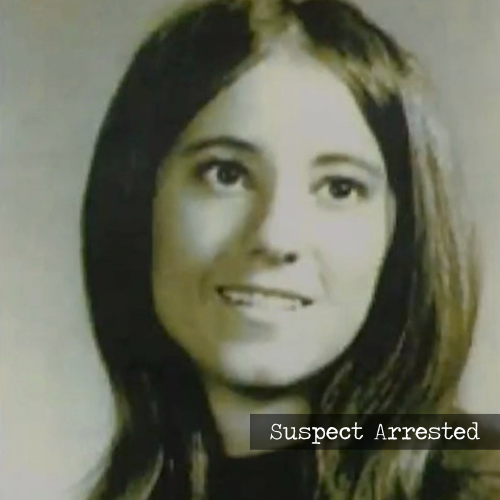
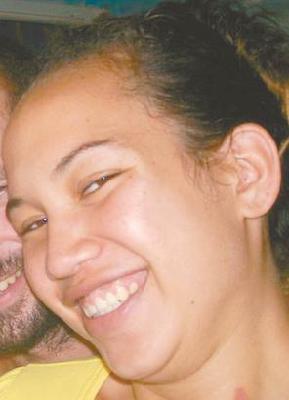
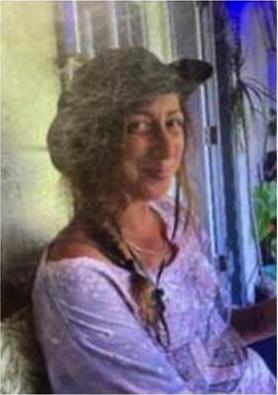
Elizabeth Fernandez, 42, a Latina woman, was found dead on January 1, 2024, at a property along Māmalahoa Highway in Kealakekua on Hawaiʻi Island. Just after noon on New Year’s Day, her father walked toward her residence on the same property and saw another body in the yard: her ex-boyfriend, lying near a rifle, apparently already dead from a self-inflicted gunshot wound to the head.
When officers and detectives arrived and checked the home, they discovered Fernandez inside with an apparent gunshot wound to her face, and she was confirmed deceased at the scene. 
From the outset, police described what they were investigating as an apparent murder-suicide. The early hours of the case carried a grim stillness: one life ended inside the home, another ended outside, with the scene discovered by a parent who had simply gone to check on his daughter. Detectives asked the public for information as they worked to piece together what happened on the property and in the moments leading up to the shooting. 
Two days later, investigators publicly identified the deceased man as Garret Kaleohano, 43, of Captain Cook, naming him as the suspect in the apparent murder-suicide and confirming the relationship between him and Fernandez. With Kaleohano dead, there were no arrests in the case, and there could be no courtroom reckoning—no booking, no charges filed, no trial—only the continued work of investigators documenting what occurred and closing the factual gaps left behind by a violence that ended in seconds but reverberated far longer. 
As details surfaced, the story took on the familiar shape of intimate-partner violence that had been escalating in plain sight. Reporting based on court filings and interviews indicated Fernandez had sought legal protection shortly before her death, obtaining a temporary restraining order against Kaleohano. The order required him to stay away and surrender firearms, yet she was still killed—another case that raised sharp questions about what protective orders can and cannot prevent when a threatened person is targeted at home. 
Family accounts later painted a more intimate, wrenching picture of that day in Kealakekua: loved ones described a deadbolt installed after a reported assault days earlier, a door that had to be forced, and the unbearable shock of finding Fernandez on the floor. They spoke of her trying to do what the system asks of someone who is afraid—document the danger, seek a restraining order, keep going to work, keep living—only to be met by the very outcome she had been trying to avoid.