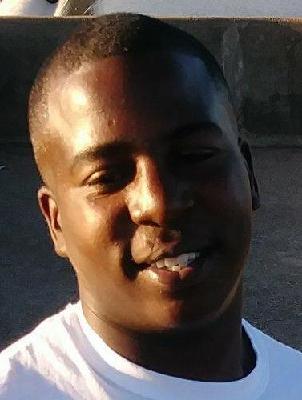
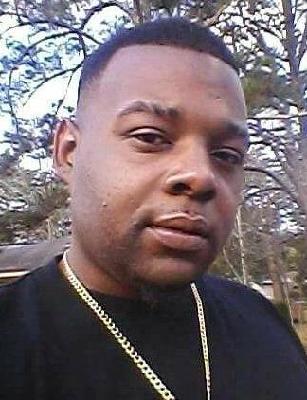
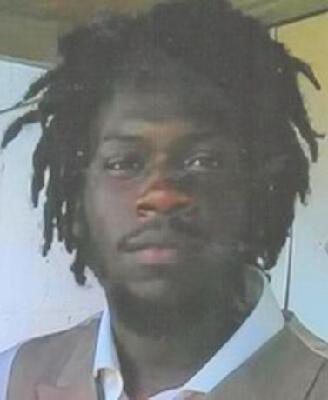
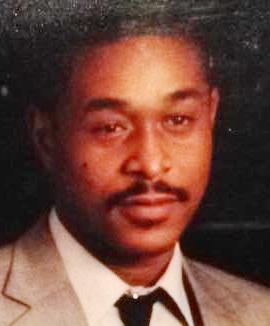
Derrick Nichols, a 17-year-old Black male from Selma, Alabama, was first the subject of an urgent missing-person search after relatives reported that no one had seen or heard from him for nearly a week. On November 3, 2016, while his family was still hoping he would come home, a landowner discovered a body in a wooded area off River Road. By the next day, Selma police confirmed the body was Nichols.
Contemporary reporting said he had been missing since October 28, and later memorial records listed November 3, 2016, as the date of his death, even though news accounts and gun-violence memorial listings tied the public confirmation of the case to November 4.
What began as a missing-teen case turned, almost overnight, into a homicide story that left his family without the ending they had prayed for. The public record available in the sources I found does not show an announced arrest, named suspect, indictment, or conviction in Nichols’s killing. The reporting that surfaced at the time focused on the discovery of his body and the police confirmation of his identity, and later memorial-style references continued to frame his death as an unsolved loss rather than a case that had moved into open court.
That leaves Derrick Nichols’s death with the feeling many unresolved cases carry in smaller cities: a week of fear, a devastating discovery in the woods, and then a silence that stretched on longer than anyone wanted. In the sources available online from local reporting and later public memorial references, there is no documented public breakthrough identifying who killed him or showing that anyone was taken into custody for the crime.