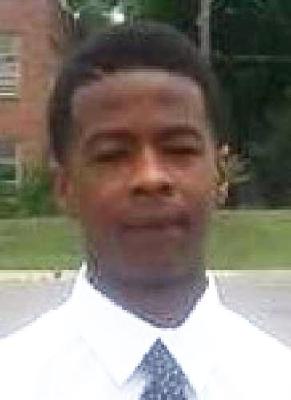
Tavares Smith, 36, a man from Birmingham, Alabama, was killed on February 15, 2017, in an attack that unfolded while he was riding in a car with his girlfriend. As they traveled along Stouts Road, gunfire erupted from outside the vehicle, tearing into the maroon Buick and leaving Smith slumped in the driver’s seat with a fatal wound. His girlfriend, seated beside him, was struck as well, grazed by a bullet as the shooting ended as suddenly as it began.
Police treated it as a targeted act rather than a random burst of violence. Detectives described a long-running dispute connected to Smith—an ongoing feud that, in their view, helped explain why the shots found his car when they did. In the wake of the killing, investigators pressed for information about the people tied to that conflict, trying to map out who might have been close enough, angry enough, and willing to escalate to a rolling ambush on a city street.
Days later, the investigation moved from uncertainty to a named suspect. Broderick Collins, also 36, was arrested and booked into the Jefferson County Jail on March 6, 2017. Authorities charged him with capital murder in connection with Smith’s death, a charge that signaled prosecutors believed the circumstances of the shooting rose to the highest level of criminal severity under Alabama law.
As Smith’s family prepared to lay him to rest, arrangements were announced for a celebration of life service scheduled for March 4, 2017, at Bushelon Funeral Chapel in Birmingham. The public notice captured, in a few stark lines, the span of his life—born April 26, 1980, and gone on February 15, 2017—while the criminal case pushed forward in the background, seeking to turn the chaotic seconds on Stouts Road into a courtroom narrative of responsibility and consequence.