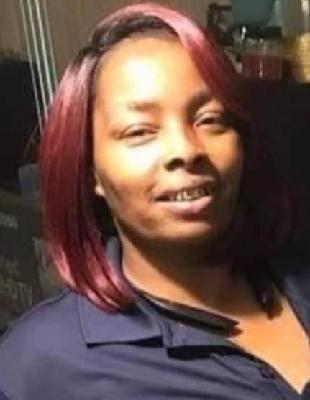
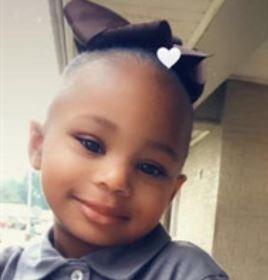
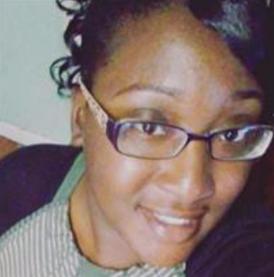
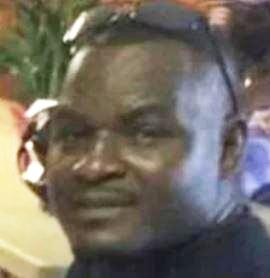
In the late hours of a Wednesday evening in Opelousas, Louisiana, the life of a bright-eyed young girl was tragically cut short. Three-year-old Tatum Monique Grace Johnson passed away on August 12, 2026, from a gunshot wound. The incident occurred around 11 p.m. near Kim Drive and Mia Street, a neighborhood that had unfortunately seen the specter of gun violence in the past.
The initial investigation by the Opelousas Police Department pointed not to an act of malice, but to a heartbreaking accident. Investigators quickly came to believe that Tatum’s death was the result of a negligent discharge of a firearm, a moment of carelessness with the most devastating of consequences. The little girl, full of life and cherished by her family, was gone in an instant, leaving a void in the hearts of those who loved her.
The focus of the investigation soon turned to Tatum’s own father, 30-year-old Lydell Rubin Jr. of Opelousas. In a turn of events that compounded the tragedy, it was discovered that Rubin, as a convicted felon, was legally prohibited from possessing a firearm. The narrative that emerged from the police investigation was one of profound irresponsibility. It is believed that Tatum found the loaded handgun inside a parked car that her father had driven to the residence. In a moment of childish curiosity, she handled the weapon, leading to the fatal shot to her head. In the immediate aftermath, a frantic Rubin rushed his daughter to a nearby hospital. However, he then left the medical facility, though it remained unclear if his intention was to flee. His attempt to distance himself from the situation was short-lived, as he later turned himself in to the authorities, accepting the weight of his actions.
Lydell Rubin Jr. was subsequently arrested and booked into the St. Landry Parish Jail. He faced serious charges, including negligent homicide and the illegal possession of a firearm by a convicted felon. This was not Rubin's first encounter with the law, as prior convictions had already stripped him of his right to own a gun. The case cast a harsh light on the dangers of unsecured firearms in the hands of those who should not have them, and the tragic consequences that can befall the most innocent of victims. While the legal process against Lydell Rubin Jr. began to unfold, a family and a community were left to grapple with the senseless loss of a child. The overview of the case is a somber reminder of the permanent repercussions of negligence, a story of a father's alleged criminal failure that ultimately led to the death of his own daughter, a life extinguished before it had truly begun.