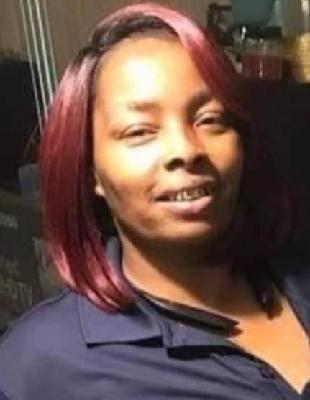
Lashanna Ward-Johnson, 24, a Black woman, was killed just after 1:00 a.m. on June 3, 2017, inside her home in Opelousas, Louisiana, in a shooting that began as an emergency call claiming a homeowner had fired at an intruder. By the time officers arrived, the “intruder” story collapsed into a far more intimate tragedy: the person shot was Lashanna herself, and the shooter was her husband, Daniel E.
Johnson, who told police he had mistaken her for someone breaking in.
In the hours before the gunfire, Lashanna had been out with family and friends, moving through ordinary moments that would later feel unbearably sharp in hindsight. She attended a kindergarten graduation for her oldest child, then went to eat with loved ones at Buffalo Wild Wings, leaving late in the evening. Near 1:00 a.m., texts sent from her phone described frustration and heat after she had to force her way back into her own house because she did not have a key. That detail—her needing to break in—became a crucial piece of the night’s grim logic, explaining how a returning resident could be misread as a threat in the dark.
According to court records and testimony summarized in later appellate proceedings, Lashanna was shot five times. A forensic pathologist documented multiple gunshot wounds, including injuries to the neck and body, and concluded she died from complications of blood loss and aspirating blood. The manner of death was ruled a homicide. Investigators focused on the account given at the scene and the physical evidence, building a case that what happened inside the home was not a tragic accident but an intentional killing.
Daniel E. Johnson was arrested and the case moved forward through the St. Landry Parish courts. On August 29, 2017, a grand jury indicted him on one count of second-degree murder. Years later, after delays that included the broader disruption to jury trials during the COVID era, a jury found him guilty of second-degree murder in April 2021. The conviction carried a mandatory sentence under Louisiana law, and he was sentenced to life imprisonment at hard labor without the benefit of parole, probation, or suspension of sentence.
Johnson appealed, arguing that the evidence did not support a finding that he specifically intended to kill his wife and maintaining that he had fired by mistake. In February 2022, the Louisiana Court of Appeal affirmed the conviction and sentence, leaving the verdict intact. The case did not revolve around a mystery suspect list or an unknown assailant; investigators and prosecutors identified a single suspect from the start, and the legal process ultimately ended with that suspect’s conviction and life sentence.