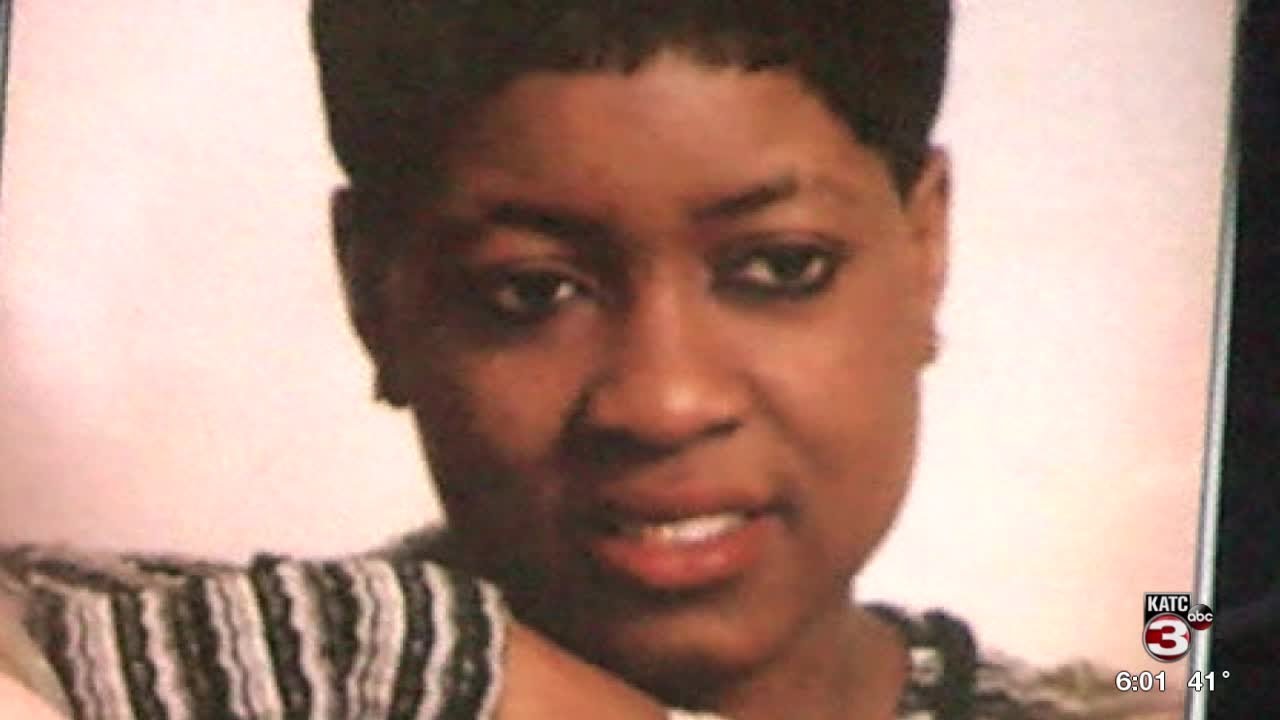
In the quiet town of Opelousas, Louisiana, the discovery of a woman's body on February 20, 1997, initially seemed like a tragedy of natural causes. The partially unclothed remains of 38-year-old Diane Sam, an African American woman, were found at an apartment complex, leaving her family and community to grapple with a loss that, for a time, had no clear explanation beyond an untimely passing.
For months, the true and violent nature of her death remained a hidden horror, a secret kept by the shadows of the small Louisiana city.
The veil over the mystery of Diane Sam's death began to lift with the disappearance of another woman later that year. In late October 1997, the search for the missing woman led authorities to a startling discovery in a car in Breaux Bridge. Inside, they found a man named John Peter Malveaux asleep. His arrest in connection with the disappearance would unravel a string of heinous crimes that had terrorized the women of the area. During intense interrogations, Malveaux’s friendly and respected facade crumbled as he confessed to a series of rapes and murders, including the sexual assault and strangulation of Diane Sam. He recounted the chilling details of his crimes, providing information that only the perpetrator could have known. His confession revealed that he had murdered her after she refused his sexual advances.
With Malveaux's chilling confession, the initial ruling on Diane Sam's death was overturned, and the devastating truth of her final moments was brought to light. The investigation into his claims prompted authorities to consider exhuming her body to gather further evidence, solidifying the case against him. John Peter Malveaux, who had been a seemingly ordinary family man with a wife and six children, was exposed as a serial killer. He ultimately pleaded guilty to the murders of four women and was sentenced to three life terms in prison without the possibility of parole, ensuring he would never again pose a threat to the community he had so deceptively inhabited.