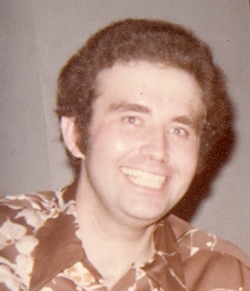
The summer evening of July 7, 2026, was shattered by a tragedy that would leave the community of Columbus, Ohio, in stunned disbelief. Sixteen-year-old Kevin Laurin, a vibrant and well-liked teenager, was found deceased in a wooded area of a local park, his life cut short in a senseless act of violence. The initial discovery was made by a couple out for a late evening walk, who immediately contacted the authorities.
When police arrived at the scene, they found Kevin, a young man with his entire future ahead of him, the victim of a brutal crime. The news of his death sent shockwaves through his high school and the quiet suburban neighborhood where he lived with his family. Friends and classmates remembered him as a kind and funny individual, always ready with a smile and a helping hand, making the reality of his violent end all the more difficult to comprehend. The Columbus Police Department quickly launched a full-scale homicide investigation, dedicating numerous detectives to unraveling the mystery of what happened to Kevin Laurin in his final hours.
The investigation into Kevin's death was both swift and complex. Detectives worked tirelessly, poring over surveillance footage from the area, interviewing dozens of friends, family members, and potential witnesses. A breakthrough came from an anonymous tip that led investigators to another teenager, a classmate of Kevin's named Michael Carter. Evidence began to mount against Carter, including text messages on Kevin's phone that indicated the two had planned to meet in the park on the evening of the murder. Further investigation uncovered a history of animosity between the two teenagers, stemming from a personal dispute that had escalated in the weeks leading up to the tragedy. When police executed a search warrant at Carter's home, they found clothing with traces of what was later confirmed to be Kevin's blood, as well as the murder weapon, a knife, hidden in his room. Within a week of Kevin's death, Michael Carter, also sixteen, was arrested and charged with his murder. The arrest brought a sense of relief to the anxious community, but it also raised difficult questions about the nature of youth violence and the pressures faced by teenagers today.
The legal proceedings that followed were closely watched by the public and the media. Given the gravity of the crime and the age of the defendant, the prosecution successfully argued for Michael Carter to be tried as an adult. During the trial, the prosecution presented a compelling case, weaving together the digital evidence, the physical evidence found at Carter's home, and the testimony of friends who were aware of the escalating conflict between the two boys. The defense argued that Carter had acted in self-defense, but the jury was ultimately swayed by the overwhelming evidence of premeditation and malice. After a two-week trial, Michael Carter was found guilty of first-degree murder. He was subsequently sentenced to life in prison with the possibility of parole after twenty-five years. The conviction brought a measure of closure to Kevin Laurin's grieving family, though the pain of their loss would be everlasting. The case of Kevin Laurin serves as a tragic reminder of a young life stolen too soon and the devastating consequences of unresolved conflict, leaving a permanent scar on the community of Columbus.