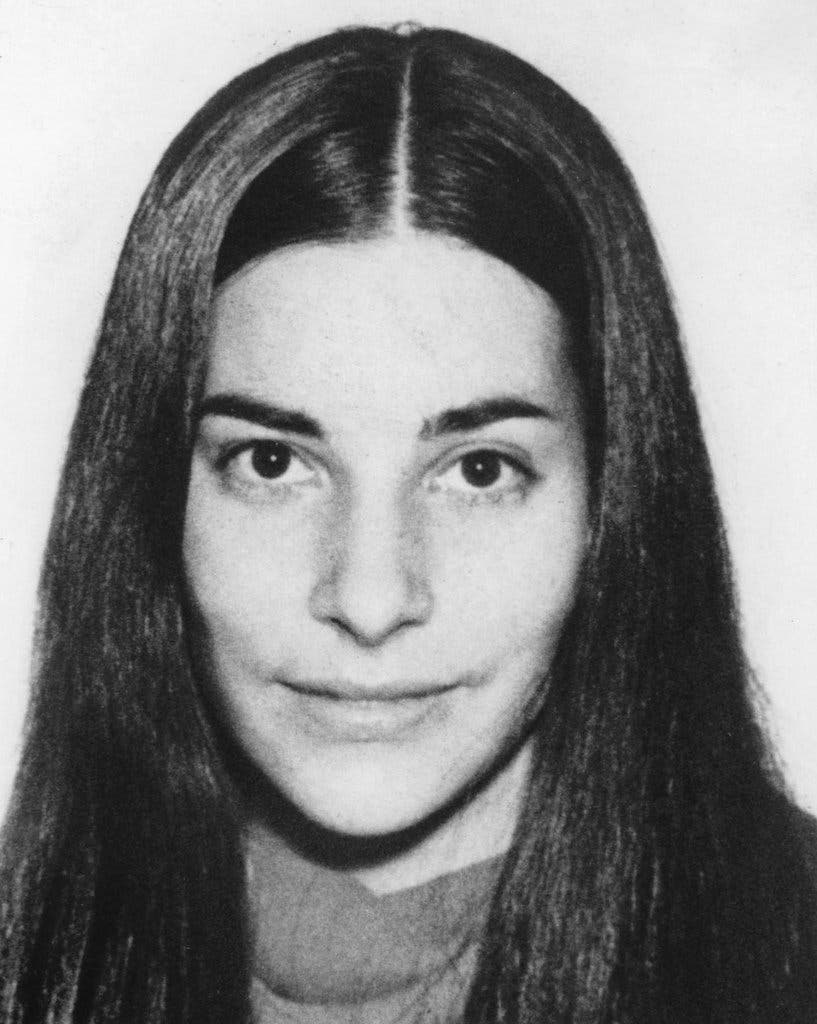
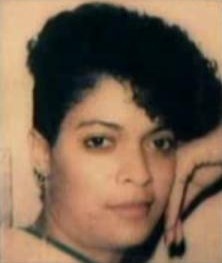
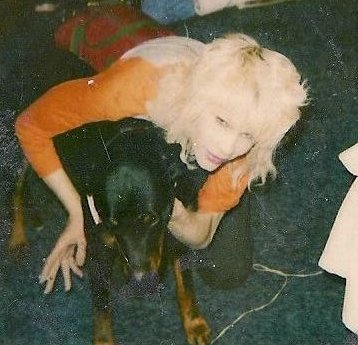
Violet O’Neill, 21, vanished from New York City after she was last seen on July 16, 1992, when she was staying with her grandmother. In the days that followed, the city’s rivers began to give up a horror in pieces—severed remains recovered from multiple spots around Manhattan’s waterways, some wrapped in plastic, some contained like discarded luggage, as if someone had tried to turn a human life into trash and tide.
Her mother, Victoria O’Neill, would later describe her daughter as a beautiful young mother, clinging to the hope that whatever happened ended quickly.
That July, the case surfaced the way so many did in New York at the time: without a witness who could name the last person she spoke to, without a clean crime scene, and without the immediate certainty of who she even was. Investigators collected what the water surrendered—parts found in separate recoveries over several days—and tried to stitch together an identity from fragments. The way the remains were packaged and scattered suggested intention and planning, but it still wasn’t enough to put a face, a name, or a suspect to the violence right away.
Nearly a year later—before the city fully understood what had been hunting its most vulnerable—an ordinary traffic stop on Long Island detonated into something else. In the early hours of June 28, 1993, New York State Troopers tried to pull over a pickup with no rear license plate on the Southern State Parkway. The driver bolted, pushing the chase through exits and secondary roads at speeds that reached about 90 miles per hour, until he crashed and was taken into custody. During an inventory search, troopers found the body of Tiffany Bresciani hidden in the vehicle, and the driver was identified as Joel David Rifkin. Charged with second-degree murder and reckless endangerment, he soon admitted—according to authorities—to a far larger trail of killings across New York City and Long Island, prompting a multi-agency task force to locate and identify victims spread across multiple jurisdictions.
As investigators worked backward through the wreckage of his confession, O’Neill’s case snapped into grim focus. Authorities ultimately identified her remains after Rifkin’s arrest, and she was listed among the victims attributed to him, with recoveries tied to the same pattern of dismemberment and disposal in and around New York City waterways. The story that emerged described a predator who killed behind closed doors and then tried to erase the evidence by turning bodies into parcels—wrapped, divided, and cast off—forcing families to wait months, sometimes longer, for the simple confirmation of what had happened.
Rifkin was the only publicly identified suspect in O’Neill’s killing. He was convicted after trial in Nassau County on May 9, 1994, for Bresciani’s murder and later pleaded guilty to additional second-degree murder charges in other counties, as the legal system parceled his admissions into separate prosecutions across jurisdictions. The result was an effective lifetime behind bars—an aggregate term reported as 203 years to life—closing the question of who, even as it left the deeper “why” to sit, unresolved, with the families and with the city that had once let the river carry the news first.