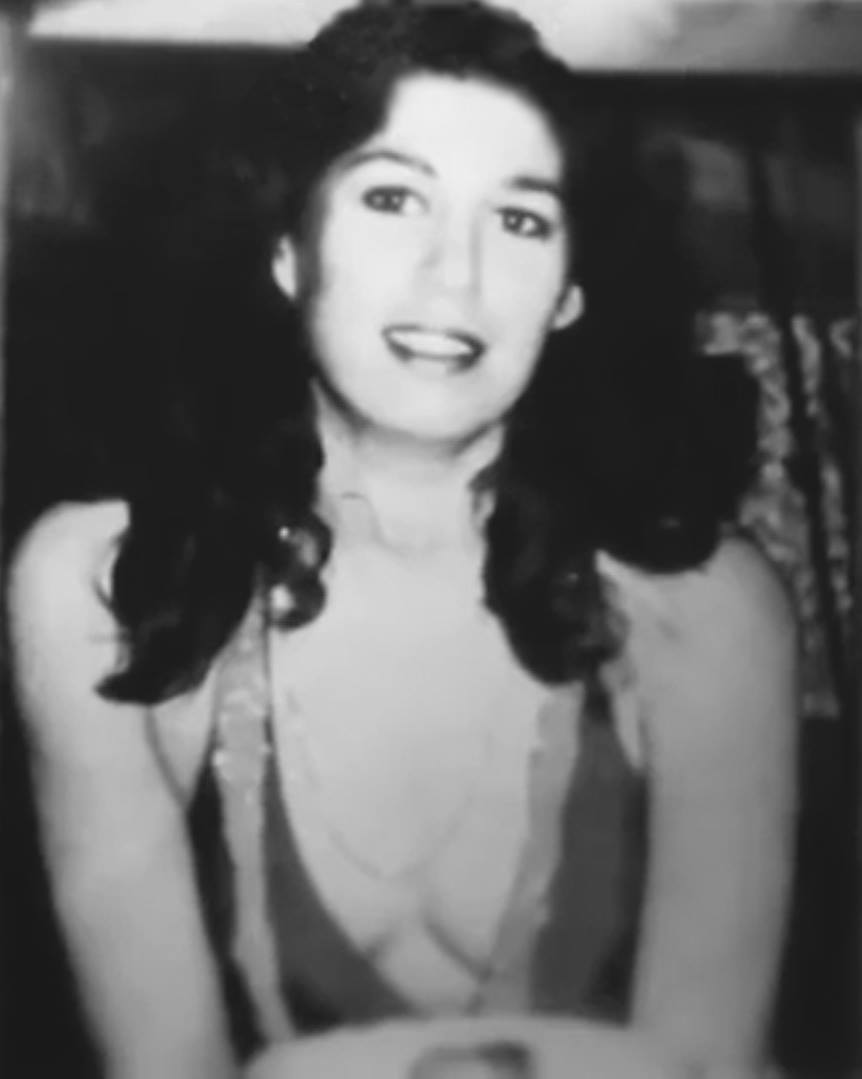
Maria Ramos, a 26-year-old Hispanic woman, was killed on February 5, 1989, in a case that would haunt investigators for decades. In the cold aftermath, her body was discovered in Yonkers—left nude, her hands bound, and positioned on her back in a grim tableau that suggested the killer wanted to be noticed, but not caught.
At the time, the trail went thin fast. Detectives worked what they could from the scene and the forensic evidence, but the years slipped by without an arrest.
Behind the scenes, however, the evidence was waiting. As DNA technology advanced, investigators were able to connect her killing to other, later murders in the same region through matching genetic evidence recovered from the victims—proof that the same man had been close enough to leave part of himself behind.
The break came from an unrelated arrest. Francisco A. Acevedo Jr. was jailed after a drunk-driving case, and during the process he provided a DNA sample connected to a parole-related procedure. That single act—routine on its face—lit up the cold-case file like a match. His DNA was linked to the long-preserved evidence from Ramos’s homicide, as well as two other killings authorities already believed were part of the same pattern.
Acevedo was ultimately charged with Ramos’s murder and taken to trial. Prosecutors argued that he had targeted vulnerable women and that the forensic link across the cases finally gave the dead a voice that couldn’t be argued away. Acevedo maintained that he had slept with the victims but insisted he had not killed them. A jury rejected that explanation when it came to the homicides, finding him guilty of murder; he was acquitted on rape counts tied to the same case.
In January 2012, a judge imposed the maximum outcome available across the three murders: consecutive sentences totaling 75 years to life in prison. The conviction closed the legal question of who was responsible, but it did not erase what the case had been for so long—an open wound in the record, carried year after year until science and persistence finally forced a name into the empty space.