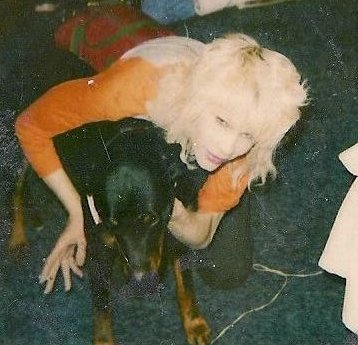
Ellen Hover, 23, a White woman, was living in Manhattan in the summer of 1977 when an ordinary note in her datebook became the last breadcrumb anyone could follow. On July 15, 1977, she vanished from her apartment after writing down a name for that day—John Berger—as if it were just another appointment in a busy New York week.
Friends and family tried to reason it out at first: a missed call, a delayed trip, a sudden change of plans.
But the silence stretched, and the small details hardened into dread. Investigators searching her apartment found the calendar entry, yet “John Berger” was a ghost—no reliable address, no verifiable life, only a name that seemed to dissolve the moment anyone reached for it.
Behind that alias, authorities would later understand, was Rodney Alcala—an experienced predator who drifted through lives with the practiced ease of someone who knew exactly what to say and when to leave. When he was questioned about Hover’s disappearance, he admitted meeting her on July 15, then claimed he never saw her again. At that time, her body had not been found, and investigators said there wasn’t enough evidence to hold him, so he walked away from the questioning and out of New York.
Eleven months later, what hope remained was crushed in the woods and stone north of the city. Hover’s skeletal remains were discovered in Tarrytown in Westchester County, in an area associated with the Rockefeller estate; she was so decomposed that identification came through dental records. Even then, the scene yielded little—no clear forensic trail that could point cleanly to a killer, only the grim certainty that this was homicide and not disappearance.
For years, the case lingered in the long shadow of other headlines and other dead ends. Then decades later, as cold-case work and renewed scrutiny tightened around Alcala’s history and movements, Manhattan prosecutors brought the case back into court. In January 2011, a grand jury indicted Alcala for Hover’s murder formally naming him as the accused rather than merely the suspected last person to see her alive.
The legal outcome arrived not as a dramatic trial, but as a grim administrative closing of doors. Alcala was extradited to New York in 2012; after initially pleading not guilty, he changed his plea to guilty in December 2012. On January 7, 2013, he was sentenced to an additional term of 25 years to life in New York for the murders, a sentence stacked atop the punishment he already faced elsewhere. In the end, the story of “John Berger” resolved into the name of a convicted serial killer, and Ellen Hover’s disappearance—once reduced to a single penciled entry—was finally anchored to an arrest, charges, and a conviction by plea.