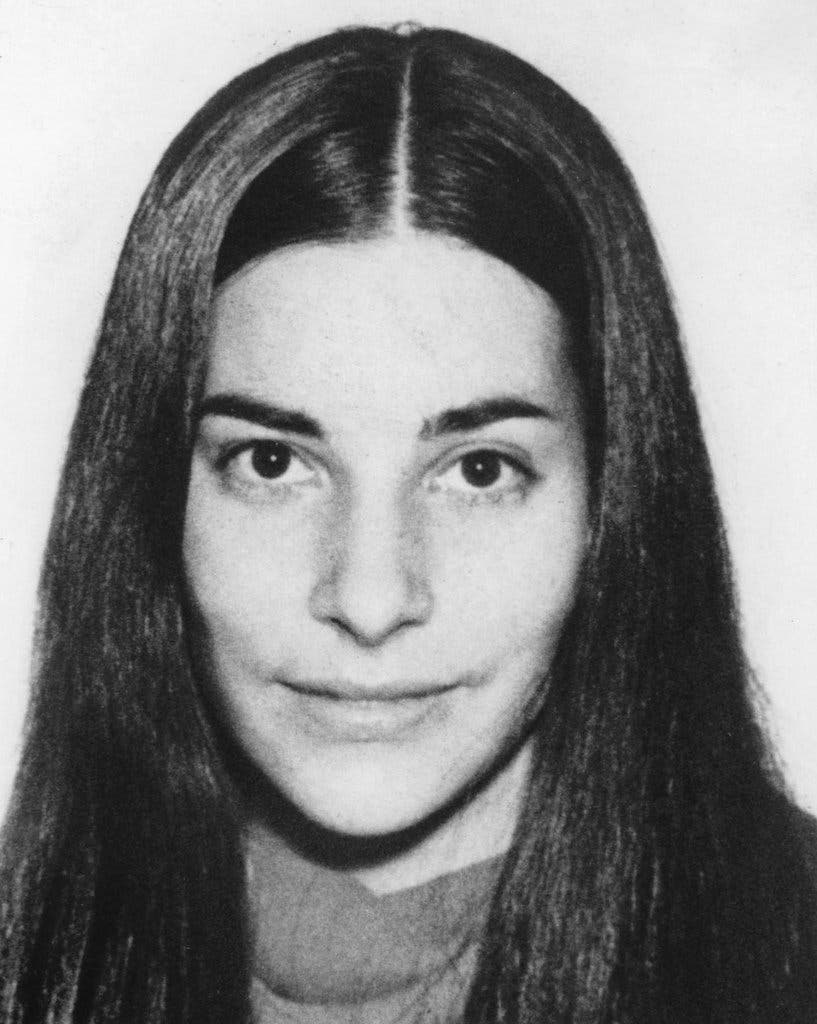
On February 23, 1977, in New York City, Steven Robinson, an African American woman, was killed while working as a cab driver, taking fares to help cover tuition while pursuing a life in law.
The killing was tied to a cluster of street robberies associated with George C. Adorno, whose record of violence began in childhood and escalated into serious crimes while he was still a teenager.
Before Robinson’s death, Adorno had been arrested repeatedly for theft and had once confessed to a triple homicide as a juvenile, only for that confession to be thrown out; he was ultimately convicted on a lesser robbery charge, sentenced to confinement, and then released after serving only part of that term.
Robinson’s death came fast after that release. The accounts that survive describe Adorno as being free for just nineteen days before the cab ride ended in violence, making Robinson the last known victim in the sequence attributed to him from 1974 through 1977.
In the aftermath, three people were identified in connection with Robinson’s death: Adorno and two accomplices, Mark Davis and Calvin Gaddy, both of whom were juveniles at the time. Adorno entered a guilty plea on July 12, 1977, receiving a sentence of fifteen years to life; Davis and Gaddy also pleaded guilty in Robinson’s death and were given the same sentence.
At sentencing, Justice Burton Roberts issued a blistering rebuke of how the system had handled Adorno’s earlier violence, portraying a pattern of missed chances to stop him before another life was taken. Under New York’s rules described in later summaries, the structure of the sentence meant Adorno would become eligible for parole after serving half of the minimum term, a detail that later drew renewed attention as Adorno’s criminal history continued to surface in records and secondary compilations.