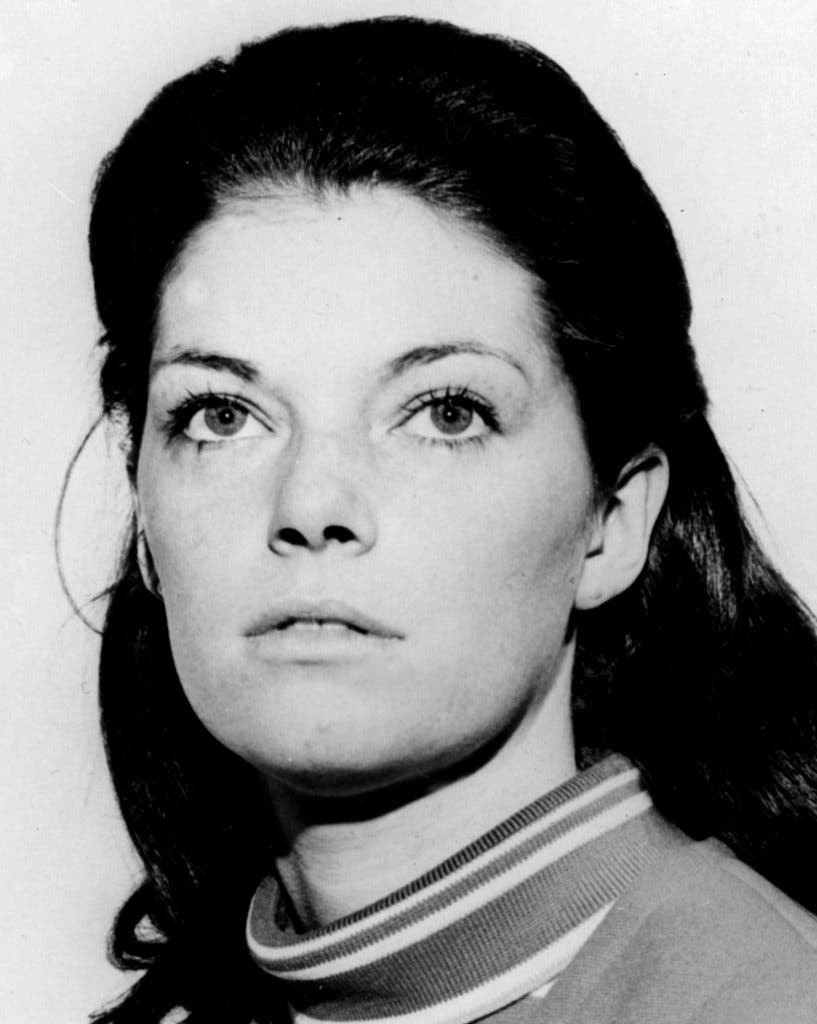
Lisa Ann Rodriguez was a 21-year-old Hispanic/Latina woman from New York City whose life ended in the summer of 1990, after she vanished from the rhythms of her neighborhood and stopped coming home. When she was finally found, it wasn’t in a place meant for the living: her remains were discovered off the Hutchinson River Parkway in the Bronx, left where traffic never stops and where the city’s noise can swallow the quiet truth of what happened.
At first, the discovery raised more
questions than it answered. The condition of the body made it difficult to read the last hours of her life, and investigators were still trying to understand whether her death stood alone or belonged to something larger. But the Bronx was already carrying fear from other violent cases involving young victims, and the geography was unsettlingly familiar—parkways, brush, and discarded bodies that suggested someone who treated the city like a dumping ground.
As detectives pulled at the threads, Rodriguez’s name began to appear alongside a widening circle of tragedy. The investigation drew attention to a Bronx livery cab driver, Alejandro Henriquez, whose connections to the victims—and whose movements—became impossible for investigators to ignore. The case against him leaned heavily on the kind of details that don’t look like much at first glance: who knew whom, who was last seen where, what small traces could follow a person from a vehicle to clothing to a crime scene. In court, the prosecution argued that those connections formed a pattern, placing him in the shadow of Rodriguez’s disappearance and the deaths of other victims.
Henriquez was eventually brought to trial in the Bronx and found guilty in late August 1992. The verdict landed like a physical blow for the families who had waited through months of testimony and years of uncertainty; outside the courthouse, Rodriguez’s parents were photographed in a moment of collapse and relief, held upright by grief and by each other as the news spread. The conviction covered Rodriguez’s killing and the deaths of two other young victims, and the court imposed three consecutive sentences of 25 years to life, a punishment designed to keep him imprisoned for decades.
The legal fight didn’t end with the jury. Appeals followed, with arguments over statements and investigative steps taken during the long effort to tie multiple cases together. The convictions and the sentence were upheld, and Henriquez remained incarcerated, continuing to insist he was innocent even as the case became fixed in public memory as part of a broader Bronx nightmare.
Even with a conviction, the story left lingering darkness at its edges. Investigators had looked at other deaths and disappearances during that era, and Henriquez’s name was linked in public discussion to additional cases that never reached the same courtroom certainty. For Rodriguez’s family, though, the central fact held: someone had taken her from the city she knew and left her by the roadside, and years later the justice system identified a man it said was responsible—closing the case on paper, if not in the hearts of those who still carried her absence.