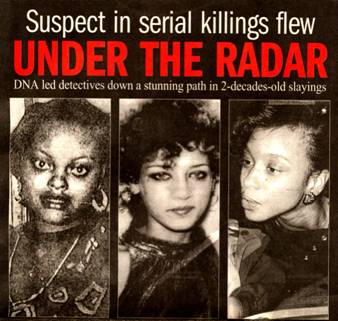
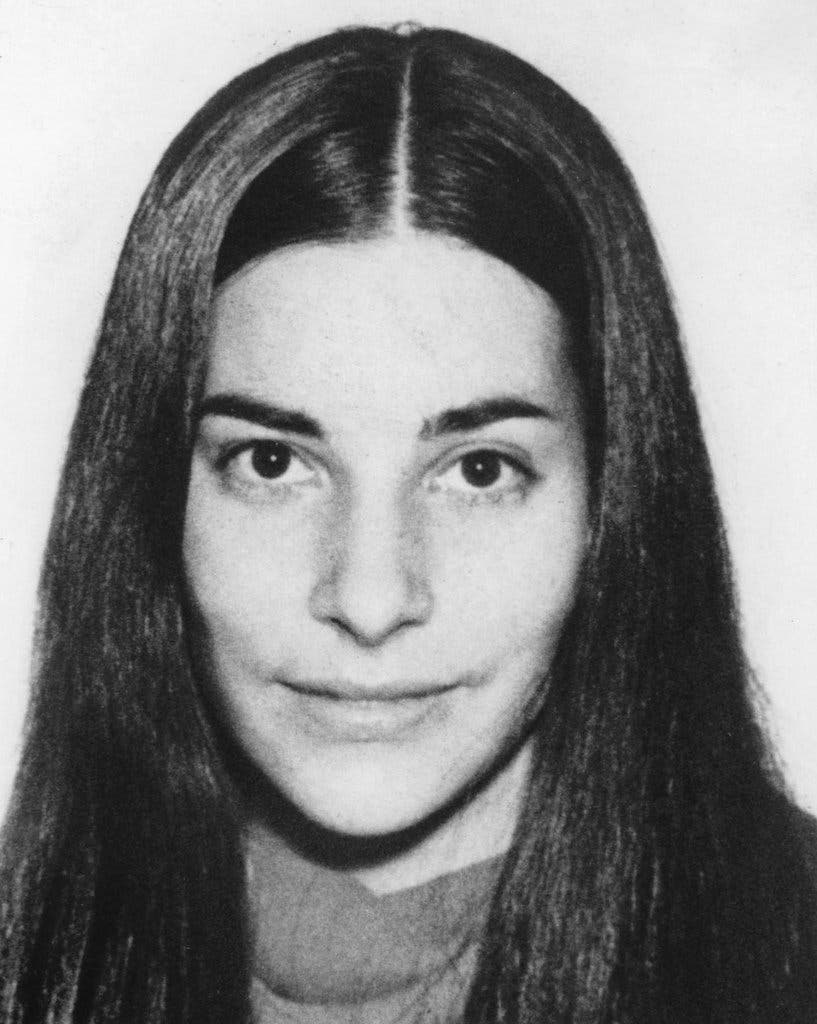
Tawanda Hodges, a 28-year-old woman from the Bronx, was found dead on March 28, 1991, in an industrial stretch of Yonkers near the Hudson River—her body discovered at 1 Federal Street, in a place where the city feels more like back lots and shadowed underpasses than neighborhoods. She was Black, and by the time she was found, whoever left her there had already turned her into part of a grim scene rather than simply abandoning her.
Detectives came to believe Hodges’s killing wasn’t random or isolated. The pattern—violence paired with staging—echoed other murders in the same area across the late 1980s into the mid-1990s, and investigators ultimately tied the cases together through forensic evidence, including DNA recovered during the original investigations. For years, the suspect remained only a genetic profile in a database: proof that the same man had been there, but not yet a name anyone could arrest.
The investigation dragged through the slow churn that cold cases often become—files revisited, leads rechecked, and an ever-growing list of possibilities that never quite clicked into certainty. Yonkers detectives said they reviewed well over a hundred potential suspects over the years, but without a matching sample, the case stayed locked behind that one missing piece.
The break came in 2010 when Francisco Acevedo was charged after a DNA match linked him to the killings. An indictment was unsealed on April 21, 2010, and at arraignment he pleaded not guilty; he was remanded without bail while prosecutors moved forward on the long-dormant murders.
At trial, the case leaned heavily on the science that had haunted the investigation for decades: testimony about the DNA evidence, and the argument that the same offender was responsible for multiple deaths. Acevedo’s defense acknowledged he had sex with the victims but denied killing them; jurors ultimately convicted him in November 2011 of three counts of second-degree murder, while acquitting him of rape counts.
On January 17, 2012, Acevedo was sentenced to 75 years to life in prison, closing a chapter that had stayed open since the morning Hodges was found in that Yonkers industrial corridor. The case that once had only a body, a location, and unanswered questions ended with a name, a conviction, and a sentence meant to ensure he would not walk free again.