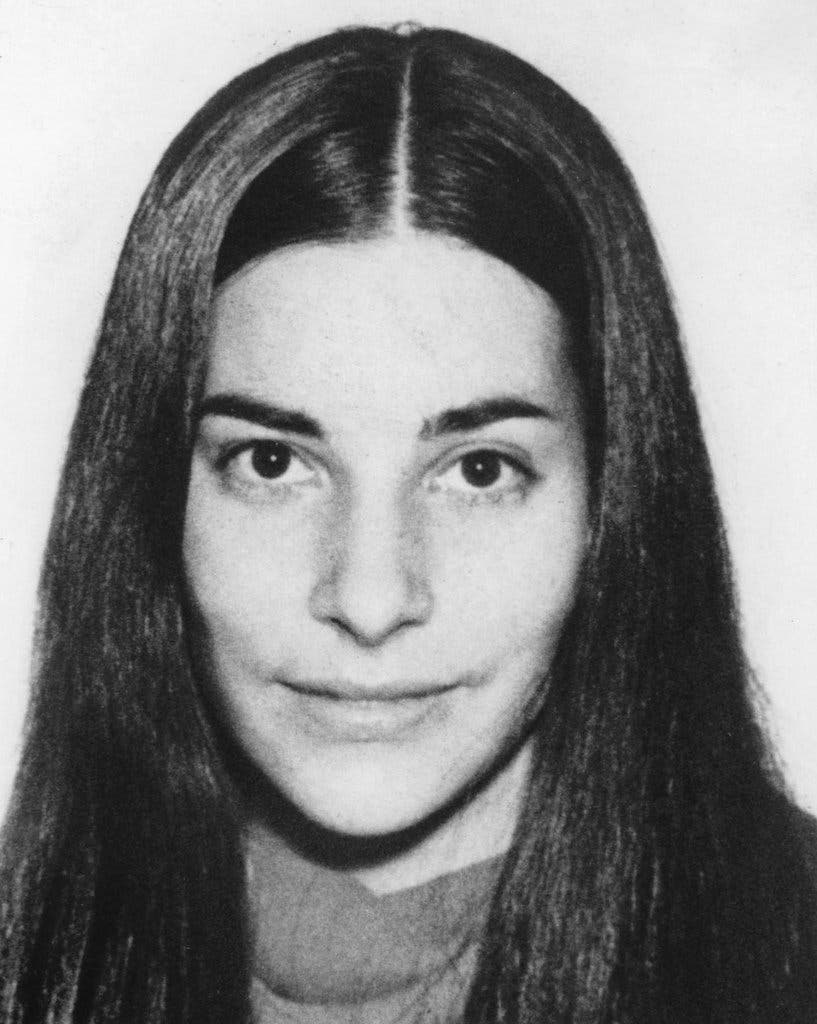
Cornelia Crilley was a 23-year-old white woman who had just begun settling into a new life on Manhattan’s Upper East Side when the ordinary rhythms of a move-in day gave way to something far darker. In June 1971, she had been hauling boxes and arranging a brand-new apartment at 427 East 83rd Street, the kind of place that should have smelled of cardboard and fresh paint.
Instead, when the people who expected to hear from her couldn’t reach her and police forced their way inside, they walked into a scene that would haunt investigators for decades.
She had been sexually assaulted and killed in her apartment. Investigators described a ferocious attack: she was found naked, bound, and strangled with a nylon stocking, and there was a bite mark on her body; police also noted that something had been forced into her mouth, apparently to keep her from screaming. Even in a city that was grappling with staggering levels of violence that year, the cruelty of what happened to her stood out—yet the case still slipped into the long shadows of unsolved homicides, in part because the investigative tools and forensic science that might have made the difference simply weren’t available at the time.
For years, there was no arrest to match the brutality of the crime. The trail went cold, and it stayed that way through changing detectives, changing decades, and changing New York. Only later, as authorities revisited old evidence with new methods, did the case begin to move again. Investigators were able to match DNA to biological evidence that had been preserved from the crime—reported as saliva recovered from her body—turning what had once been a dead end into a name and a path forward.
That name was Rodney Alcala, a convicted serial killer already notorious for other murders and for using aliases while drifting between worlds that didn’t suspect him. In New York, he had used the name “John Berger,” and that identity surfaced as investigators re-examined records and connections across cases. In January 2011, a Manhattan grand jury indicted Alcala for her murder, formally naming him as the suspect after decades in which no one had been charged. Even then, the legal road was not immediate: he was extradited to New York in 2012 and initially entered not guilty pleas.
The case did not end with a dramatic trial, but with a grim kind of closure. In December 2012, Alcala changed his pleas to guilty in New York, and on January 7, 2013, a Manhattan judge sentenced him to an additional 25 years to life in prison for the New York murders tied to him, including Crilley’s. The long wait for an arrest finally yielded an answer, built from preserved evidence, revived cold-case work, and the slow accumulation of proof that linked a once-unknown assailant to a documented pattern of violence.