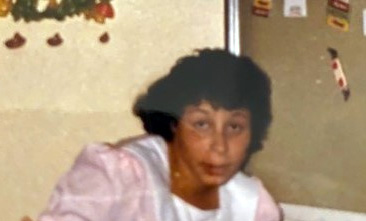
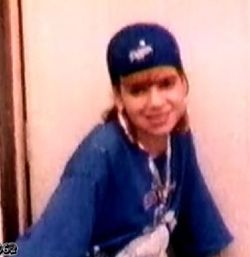
In 1991, Yun Lee was a 31-year-old woman whose name would surface only briefly at first, carried on the tide and the rumors that always seemed to cling to bodies pulled from New York’s waterways. Born in South Korea, she was Korean. On September 23, 1991, her remains were recovered from the East River off the area around Randalls Island, a grim discovery that hinted at deliberate concealment rather than an accident.
Later accounts tied her final night to the routines of street-level exploitation that were common in the city at the time: a pickup, a drive, and the expectation of cash-for-sex that could turn dangerous the moment a predator decided it would. Reports describing the killing say she was strangled, and that the body was then packed into a trunk and dumped into the river, as if reducing a life to an object might erase the act itself. The river did not cooperate. She drifted past Randalls Island at the mouth of the Harlem River and was found anyway, the kind of discovery that briefly snaps a case into focus before it dissolves again into backlog and uncertainty.
Identification did come, but it was not the clean closure people imagine. One narrative says her ex-husband recognized her, preventing her from remaining nameless in the system. Yet she was still associated with Hart Island’s Potter’s Field in later memorial documentation, a reminder that even when a victim’s name is recovered, dignity and permanence are not guaranteed.
For nearly two years, there was no single arrested suspect publicly attached to her death. That changed only after a traffic stop on Long Island unexpectedly opened the door to a much larger horror. In the early hours of June 28, 1993, New York State Troopers attempted to stop a pickup truck on the Southern State Parkway for driving without a rear license plate. The driver fled, a pursuit followed, and when the vehicle was finally stopped, troopers discovered the body of a woman in the truck—an event that quickly unraveled into one of New York’s most notorious serial murder investigations. The driver was Joel Rifkin.
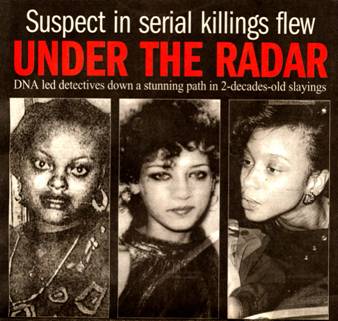
With Rifkin in custody, investigators began matching his statements and the evidence to unsolved cases, including the September 1991 recovery in the East River. He ultimately became the central suspect in Yun Lee’s killing, and she appears in listings of his known victims whose remains were found and whose deaths were attributed to him after his arrest. Rifkin’s case moved through multiple courts because the killings and dump sites spanned jurisdictions, and his legal outcomes combined trial convictions with later guilty pleas in additional cases. His first major trial centered on the last victim found in his vehicle, ending in a Nassau County jury verdict in May 1994 that found him guilty of second-degree murder, after which he received a sentence structure that, across the cases, totaled centuries-to-life in prison. Over time, his convictions and pleas cemented him as the perpetrator in the series that included Yun Lee, turning what had once been a body in the river into one chapter of a documented pattern: women targeted, strangled, disposed of, and rediscovered by chance.