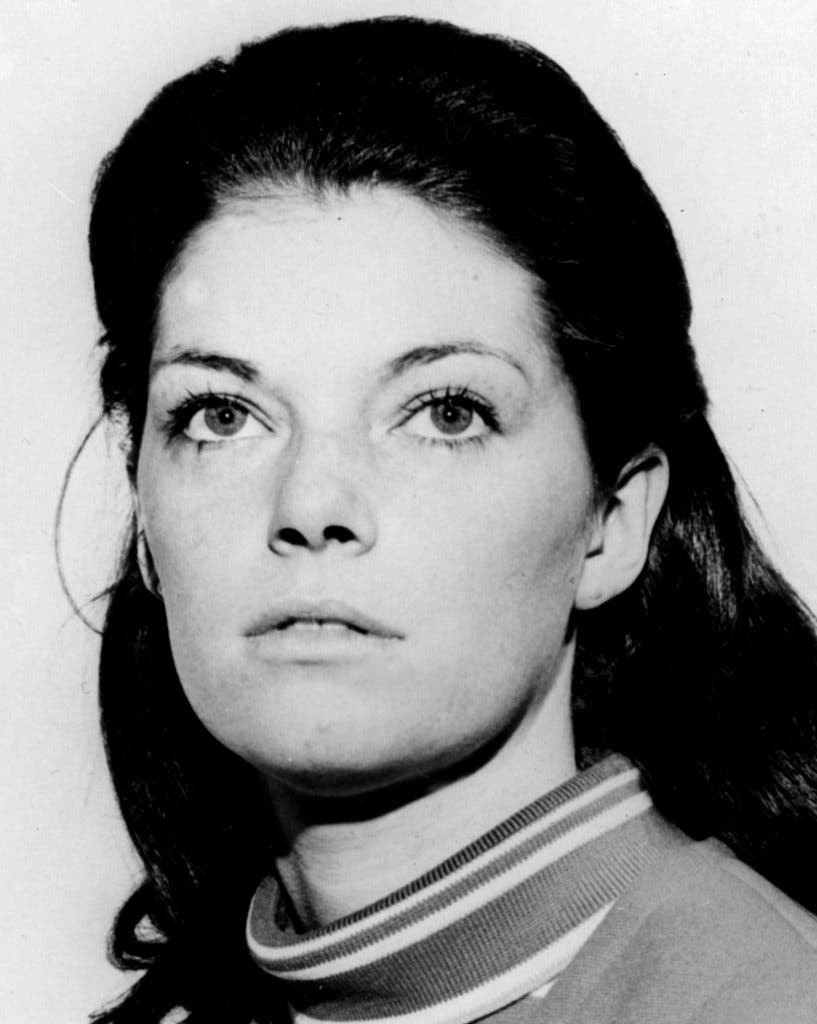
Mary Catherine Williams, a 31-year-old White woman, had come to New York City chasing a brighter story for herself, but the city’s edges closed in—drugs, the streets, and a dangerous late-night economy that made people vanish without headlines. In the fall of 1992, she was last traced to Queens, and after October 2 she simply stopped turning up, the kind of absence that spreads quietly at first—missed plans, unanswered calls, then the growing dread that something irreversible has
happened.
What later emerged was that she crossed paths with Joel David Rifkin, a Long Island man who prowled New York City looking for women to pick up. Accounts tied to the investigation describe Williams getting into a car with him on October 2, 1992; the encounter ended in violence, and her life was taken that night.
For weeks, then months, the truth stayed buried. On December 21, 1992, her remains were found in Yorktown, New York, far from the city streets where she had last been seen. Only later—after investigators had more pieces to compare and more names to test—was she identified on July 6, 1993, through dental records, turning an unknown victim into a person again, with a name that could be spoken to family and recorded in a file.
Even after that identification, the case swirled inside a larger storm. Police said one of her credit cards was found in the home Rifkin shared with his mother and sister, a grim, ordinary object that helped tighten the thread between him and her death. In the confusing early tally of victims, her name also became part of a public miscount—authorities and reporters briefly treating her as an additional victim beyond Rifkin’s own claims, until the details were sorted out and the arithmetic of horror corrected.
Rifkin’s arrest came before Williams was publicly identified, triggered not by her case but by a predawn traffic stop on June 28, 1993, when New York State Troopers attempted to pull over a pickup for a missing rear plate and he fled. After a chase and crash, troopers discovered a woman’s body hidden in the rear of the vehicle, and Rifkin was taken into custody—an arrest that opened the door to a cascade of confessions and recoveries across New York City and Long Island.
From there, the legal system moved case by case. Rifkin was convicted at trial in Nassau County in May 1994 for the murder connected to the body found in his truck, and he later entered guilty pleas in other jurisdictions, accumulating multiple murder convictions and effectively spending the rest of his life in prison. Williams’ death, tied to him through the investigation and his admissions, remained one of the many lives folded into the broader accounting of his crimes—another name rescued from anonymity, even as the years rolled on.