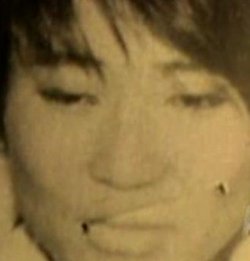
Maria Emerita Rosado Nieves, sometimes reported as Marita Rosado Nieves, was an 18-year-old Hispanic/Latina woman who had been living in Manhattan when her life ended in the winter of 1973. For years, her name sat among the unanswered questions of the era, a brief entry in the long ledger of the missing and the dead whose last hours were never publicly stitched into a complete account.
On the afternoon of December 27, 1973, park workers at Jones Beach made a discovery that turned a quiet
stretch of shoreline roadway into a crime scene. In thick grass along Ocean Parkway, at a bus-loading area beside the East Bathhouse, her body had been left wrapped in a gray blanket and covered in plastic bags. Investigators determined she had been strangled, and the way she was abandoned—hidden in plain sight near a place meant for arrivals and departures—suggested someone wanted distance from what had been done, but not enough distance to keep her from being found.
The case lingered without a courtroom ending, part of a larger landscape of violence that crossed city streets and suburban roads in the early 1970s. Over time, law enforcement attention shifted, evidence aged, and witnesses scattered. The person responsible was not publicly held to account for her death in the way families usually hope for—through an arrest made specifically for the killing, followed by charges, trial testimony, and a verdict tied to her name.
Decades later, the story changed course when a separate cold case in Nassau County was pushed forward by DNA testing and new forensic work. That investigation led authorities to Richard Cottingham, a convicted serial killer who had already been serving lengthy sentences. In court in December 2022, while pleading guilty to a 1968 Nassau County murder, he also admitted to additional killings from the early 1970s, including Nieves’ strangulation and the dumping of her body near a Jones Beach bus stop. Prosecutors said they agreed not to prosecute him for those additional deaths, citing that he would remain incarcerated for life because of prior murder convictions. Even with that admission on the record, the result for Nieves was a grim kind of resolution: a named suspect who confessed, but no new arrest, charge, or trial devoted to her case—and a public acknowledgment that authorities had been unable to locate her family as the confession finally brought her back into the light.