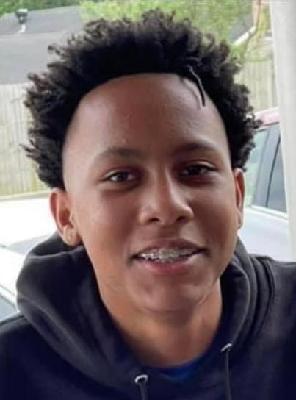
In the quiet community of Houma, Louisiana, the life of 14-year-old Cameron Tillman was tragically cut short on the evening of September 23, 2014. The African-American teenager was fatally shot by a Terrebonne Parish sheriff's deputy in an abandoned house in the Village East neighborhood. The incident unfolded after the sheriff's office received a report of several individuals, possibly armed, entering the vacant home on Kirkglen Loop.
Responding to the call, Deputy Preston Norman, who
is also Black, and another deputy arrived at the scene. According to law enforcement accounts, upon entering the house, Deputy Norman encountered Cameron Tillman. The deputy stated that the teenager was holding what appeared to be a handgun and pointed it in his direction. In what was described as a split-second decision, Deputy Norman fired his weapon, striking Tillman multiple times in the torso. The young man was pronounced dead at the scene. It was later determined that the weapon Tillman was holding was a pistol-like BB gun.
The shooting immediately sparked tension and questions within the community. An investigation into the incident was launched, with Louisiana State Police taking the lead. The case was eventually presented to a grand jury. In March 2015, after three days of proceedings and hearing from numerous witnesses, the grand jury declined to indict Deputy Preston Norman, clearing him of any wrongdoing in the fatal shooting. The decision was met with dismay and anger from Cameron Tillman's family, who maintained that the shooting was unjustified.
Following the grand jury's decision, Cameron Tillman's parents filed a federal lawsuit against the Terrebonne Parish Sheriff's Office, Sheriff Jerry Larpenter, Deputy Preston Norman, and another deputy who was present at the scene. The lawsuit alleged that the deputies' actions violated the teenager's constitutional rights. The family's legal representatives highlighted forensic evidence from the BB gun that indicated DNA from at least three individuals was present on the weapon, though State Police reports also confirmed Tillman's fingerprints were on it. The outcome of the civil suit is not detailed in the available information. The FBI also monitored the initial investigation for any potential civil rights violations.