San Diego Serial Murders and Related California Cases
Several Separate Murder Series
The ten victims commonly grouped under the broad label “San Diego Serial Murders” were not all killed by the same person. The cases involved at least three separate offenders: Bryan Maurice Jones, Dean Phillip Carter and California Highway Patrol officer Craig Alan Peyer. Although several crimes occurred in San Diego, others took place in Culver City and Oakland. The killings were committed between April 1984 and December 1986 and involved different methods, locations and circumstances.
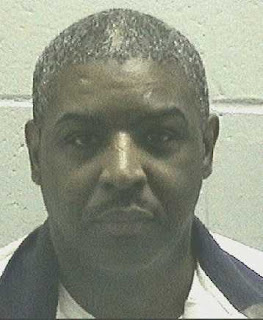
Bryan Maurice Jones, known as the “Dumpster Killer,” was prosecuted in connection with four women murdered in San Diego between 1985 and 1986. Tara Mia Simpson, Trina Carpenter, JoAnn Sweets and Sophia Glover were found in or near dumpsters in neighborhoods around El Cajon Boulevard. Jones was convicted of murdering Sweets and Glover. Charges involving Simpson and Carpenter were ultimately dismissed, although investigators linked Jones to their bodies through fingerprint evidence.
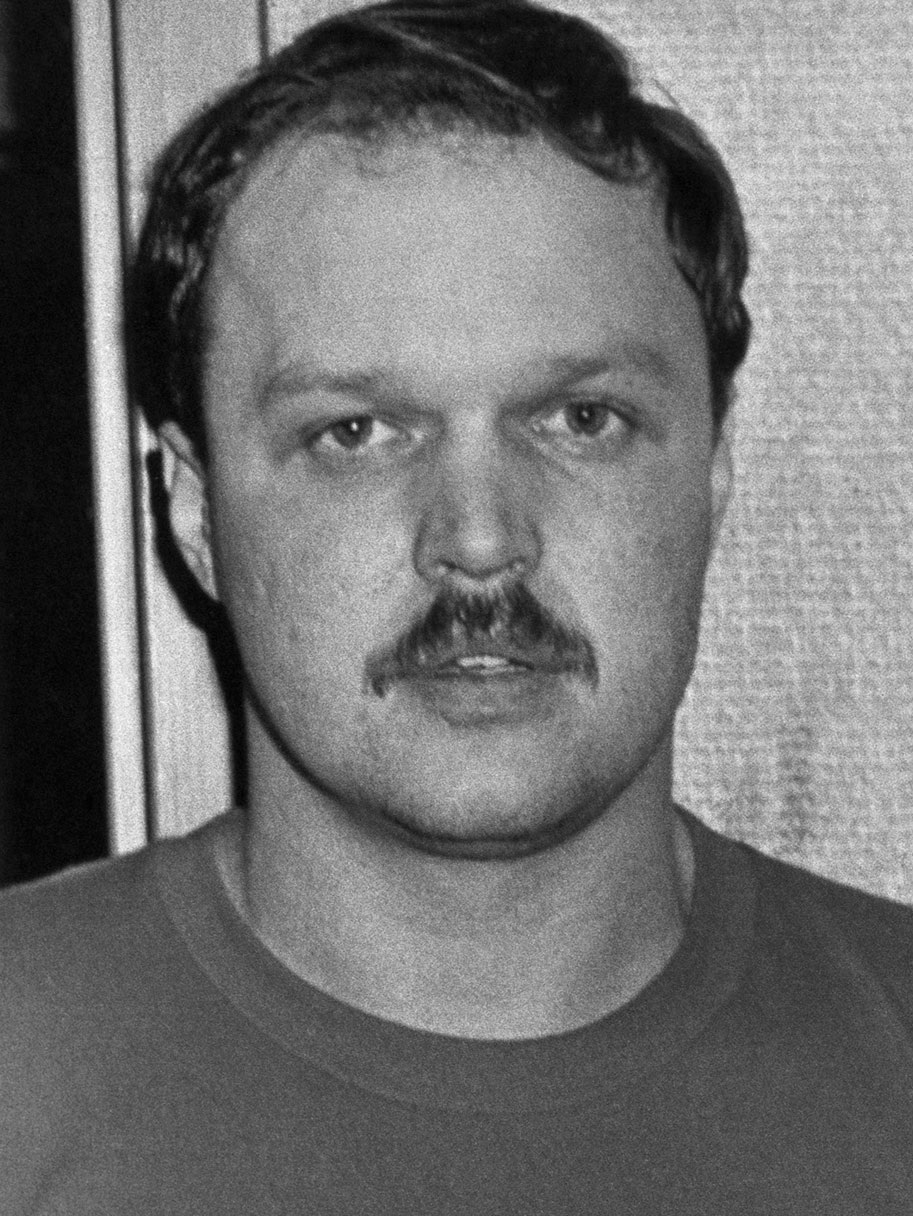
Dean Phillip Carter was connected to a separate sequence of killings committed during April 1984. Susan Lynn Knoll, Jillette Leonora Mills, Bonnie Ann Guthrie and Janette Anne Cullins were strangled in their homes. Carter was convicted of murdering all four women. He was also linked circumstantially to the death of Tok Chum Kim in Oakland, although the decomposition of her body prevented medical examiners from conclusively establishing that she had been murdered.
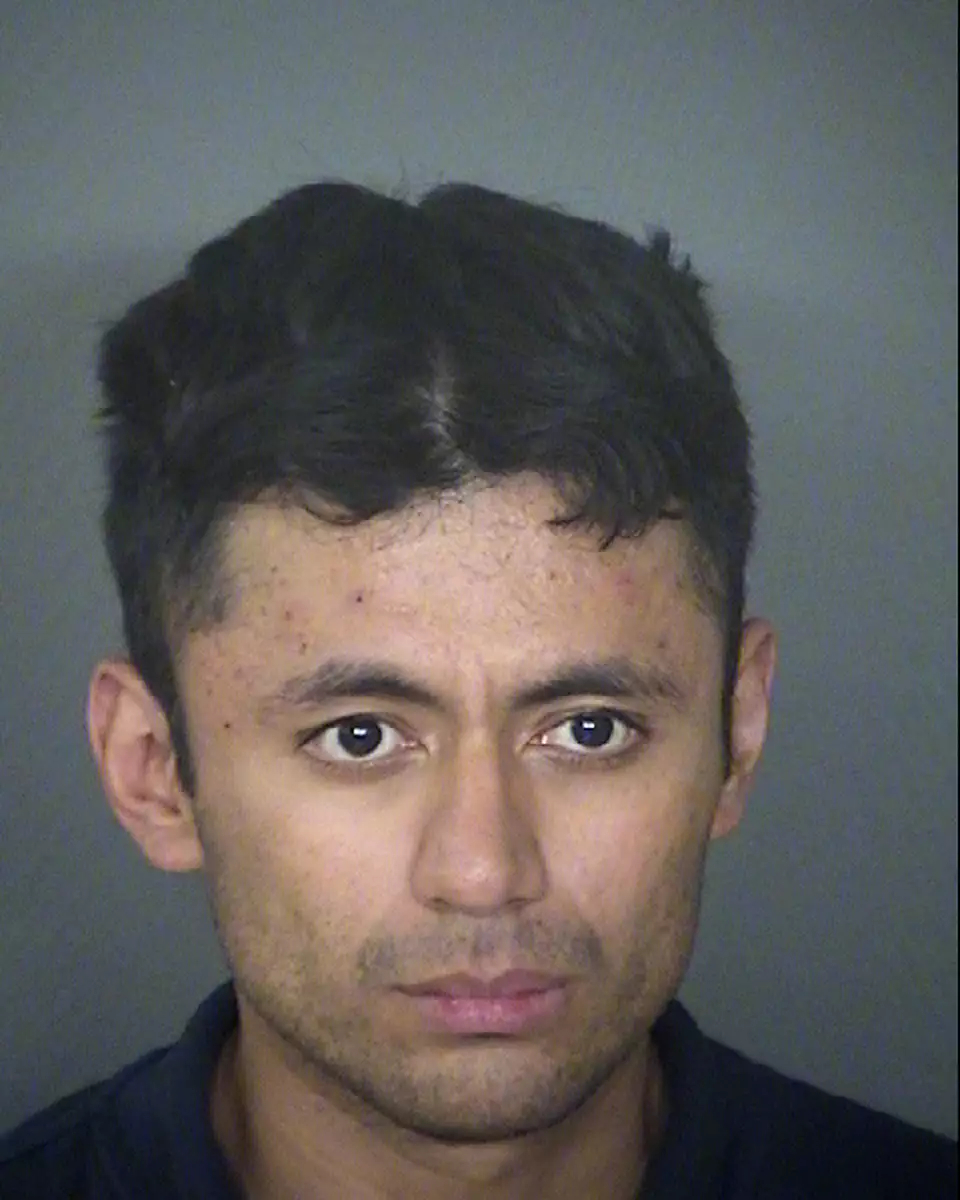
Cara Evelyn Knott was killed in San Diego County in December 1986 by Craig Alan Peyer, a California Highway Patrol officer. Her murder was unrelated to the crimes committed by Jones and Carter. Peyer encountered Knott while he was on duty, strangled her and threw her body from a bridge. He was later convicted of first-degree murder.
Victims Linked to Bryan Maurice Jones
- Tara Mia Simpson, 19 — August 29, 1985 — San Diego: Simpson’s badly burned body was discovered inside a dumpster near the 5100 block of El Cajon Boulevard. She had suffered an injury to her nose, a stab wound to her abdomen and signs of asphyxiation. Investigators also found evidence indicating that she had been sexually assaulted. Her killer placed her body in the dumpster and used a flammable substance to set it on fire in an apparent effort to destroy evidence. Jones was charged with her murder after his fingerprints were reportedly connected to her body, but the charge was later dismissed because prosecutors did not believe the available evidence was sufficient to secure a conviction.
- Trina Carpenter, 23 — February 11, 1986 — San Diego: Carpenter was beaten, sexually assaulted and strangled before her body was placed inside a duffel bag and discarded in a dumpster near 51st Street. Her killer then set the body on fire. She was initially unidentified and temporarily known as Jane Doe 1. The location was close to the dumpster where Simpson had been found several months earlier. Jones was charged with Carpenter’s murder after investigators linked his fingerprints to the crime, but the charge was eventually dismissed.
- JoAnn Sweets, 34 — May 9, 1986 — San Diego: Sweets was found in a dumpster near the 4400 block of 51st Street. She had been strangled and severely beaten, suffering bruises and fractures to her neck, ribs and collarbone. Her partially clothed body had been wrapped in bedding, placed inside large plastic garbage bags and sealed with duct tape. A blanket covering her body was traced to Jones, and his fingerprints were discovered on items associated with the disposal of the body. Later DNA testing connected him to biological evidence recovered during the investigation. Jones was convicted of murdering Sweets.
- Sophia Glover, 37 — August 15, 1986 — Normal Heights, San Diego: Glover’s body was discovered in a dumpster near Madison Avenue. She had been strangled and had suffered severe blunt-force injuries to her head, neck and chest. Her clothing was found in a nearby alley. Investigators recovered physical evidence linking Jones to the sexual assault and murder. He was convicted of killing Glover, and her death became one of the two murders for which he received a death sentence.
The Investigation and Conviction of Bryan Maurice Jones
Jones came under scrutiny after his arrest in October 1986 for abducting and sexually assaulting a woman. He was convicted in that case and sentenced to prison. Investigators continued reviewing unsolved murders from the El Cajon Boulevard area and eventually connected him to Simpson, Carpenter, Sweets and Glover.
In June 1992, prosecutors charged Jones with all four murders, as well as crimes against two women who survived attacks. The victims had been found within a relatively small area, and several of their bodies were abandoned in dumpsters close to Jones’s residence. Prosecutors argued that the similarities in the crimes and the fingerprint, fiber and biological evidence established a pattern.
A San Diego jury convicted Jones in 1994 of the first-degree murders of Sweets and Glover. He was also convicted of attempted murder and multiple sexual offenses involving surviving victims. The murder counts concerning Simpson and Carpenter were dismissed before the case was completed. Jones received a death sentence for the murders of Sweets and Glover.
Victims Linked to Dean Phillip Carter
- Susan Lynn Knoll — April 1984 — Culver City: Knoll shared an apartment with Jillette Mills. The two women were found strangled and concealed inside a bedroom closet on April 12, 1984. Evidence indicated that Knoll was killed before Mills returned to the apartment. Knoll’s automobile was moved and abandoned approximately one block away, apparently to create the impression that she was not home. Carter was later convicted of murdering her.
- Jillette Leonora Mills — April 1984 — Culver City: Mills was killed inside the apartment she shared with Knoll. Prosecutors maintained that Carter waited for Mills after killing Knoll, attacked her when she arrived and then placed her body in the same closet. Mills had been sexually assaulted and strangled. Her white Datsun automobile and personal belongings were taken from the residence. Carter was convicted of her murder.
- Bonnie Ann Guthrie — April 1984 — Culver City: Guthrie was found inside her apartment on April 12. Her landlord had entered the residence the previous day to make repairs but mistakenly believed that she was sleeping. Guthrie had been sexually assaulted and strangled, and property was missing from her home. Her purse was recovered by police officers in San Diego on April 14, demonstrating the movement of her belongings from Los Angeles County to San Diego. Carter, who was acquainted with Guthrie and reportedly had arranged to meet her, was convicted of her murder.
- Janette Anne Cullins, 25 — April 1984 — San Diego: Cullins was found strangled and concealed inside the bedroom closet of her San Diego apartment on April 14. Damage near the front door indicated that someone had forced entry. Cullins had met Carter at a bar in the Pacific Beach area and had rejected his repeated efforts to pursue a relationship. Carter visited the apartment shortly before the killing. He moved Cullins’s vehicle after her death, repeating behavior associated with the murder of Knoll. Carter was convicted of murdering Cullins and was sentenced to death.
- Tok Chum Kim — Early April 1984 — Oakland: Kim became acquainted with Carter at a bar in Lafayette on April 1. Her decomposed body was subsequently found inside her Oakland residence. Carter had access to her apartment and was connected to property belonging to her. Because of the advanced decomposition, the medical examiner could not conclusively determine Kim’s cause of death or exclude natural causes. Prosecutors introduced evidence surrounding her death to demonstrate Carter’s identity, intent and pattern, but he was not convicted of murdering Kim.
Dean Phillip Carter’s Murder Spree
Carter met several of his victims in bars and attempted to develop personal or romantic relationships with them. When the women rejected him or became vulnerable in his presence, he entered their homes, sexually assaulted some of them and strangled them. He frequently stole property and vehicles after the killings, allowing him to move rapidly between cities while creating confusion about the victims’ whereabouts.
The murders of Knoll, Mills and Guthrie occurred in Culver City within a brief period. Carter then traveled to San Diego, where Cullins was found dead on April 14. The similarities were striking: the victims were attacked inside their residences, strangled, robbed and, in several cases, concealed inside bedroom closets. Carter’s movement of vehicles and possession of victims’ property provided additional links between the cases.
Carter was first convicted in Los Angeles County of murdering Knoll, Mills and Guthrie. San Diego County prosecutors subsequently tried him for Cullins’s murder. Evidence from the other killings was introduced to demonstrate the repeated pattern of entering women’s residences, strangling them, hiding their bodies and stealing their possessions. Carter was convicted of murdering Cullins and received another death sentence.
Cara Evelyn Knott
- Cara Evelyn Knott, 20 — December 27, 1986 — San Diego County: Knott disappeared while driving from her boyfriend’s home in Escondido to her parents’ home in El Cajon. California Highway Patrol officer Craig Alan Peyer stopped her near the Mercy Road interchange along Interstate 15. Peyer made an unwanted sexual advance, and a confrontation followed. He struck and strangled Knott with a rope before throwing her body from an abandoned bridge into a ravine. Her car was discovered the following day on a dead-end road near the bridge, and searchers found her body below.
The Murder of Cara Knott
Peyer had used his authority as a highway patrol officer to stop young female motorists on isolated sections of Interstate 15. Several women later reported that he had detained them without legitimate reasons, asked intrusive personal questions and made inappropriate sexual remarks. Knott apparently resisted him, and the encounter escalated into murder.
Investigators found evidence that placed Peyer with Knott shortly before she died. A witness had seen a patrol vehicle parked behind her car, and fibers and other physical evidence connected Peyer to the crime. Marks on Knott’s clothing were also consistent with items from Peyer’s uniform and equipment. His statements about his movements during the night conflicted with the evidence gathered by detectives.
Peyer was arrested in January 1987 and charged with murder. His first trial ended without a verdict when the jury could not reach a unanimous decision. During a second trial, prosecutors presented evidence of his encounters with other female drivers and demonstrated how he had used his position to isolate Knott. Peyer was convicted of first-degree murder in 1988 and sentenced to 25 years to life in prison.
Legacy of the Cases
The deaths of these ten women illustrate why the term “San Diego Serial Murders” can be misleading. Simpson, Carpenter, Sweets and Glover were linked to Jones and the dumpster killings around El Cajon Boulevard. Knoll, Mills, Guthrie and Cullins were confirmed murder victims of Carter, whose crimes extended from Culver City to San Diego. Kim’s suspicious death was connected to Carter through circumstantial evidence but was never conclusively ruled a homicide. Knott was murdered by Peyer in an entirely separate abuse of police authority.
The investigations eventually produced convictions against all three men. Jones was convicted of two murders, Carter was convicted of four murders in California and Peyer was convicted of murdering Knott. The cases also demonstrated the importance of cooperation between jurisdictions, as evidence and stolen property moved among San Diego, Culver City, Oakland and other California communities.
Although the victims are sometimes assembled into one list because of geography and timing, accurately identifying their killers preserves the individual history of each case. These women did not die during one continuous murder spree. They were targeted by different predators whose crimes overlapped during one of the most troubling periods in Southern California criminal history.