Wesley Higdon and the 2008 Atlantis Plastics Factory Shooting
Overview
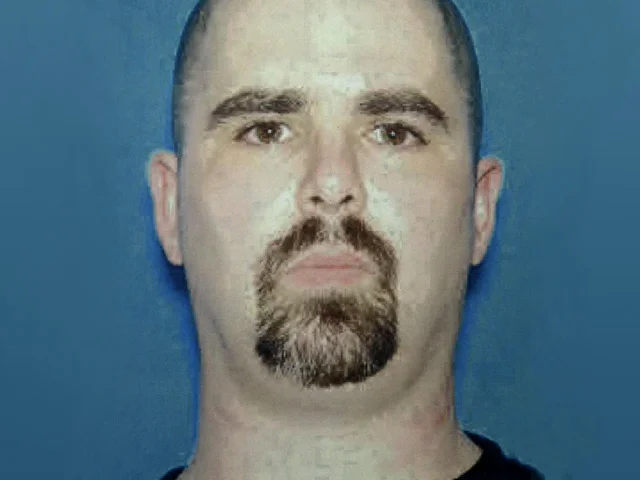
Wesley Neal Higdon was a 25-year-old factory employee who carried out a deadly workplace shooting at the Atlantis Plastics manufacturing plant in Henderson, Kentucky. During the early morning hours of June 25, 2008, Higdon fatally shot five employees and critically wounded another before taking his own life. Six people, including Higdon, died in the attack.
The shooting occurred at approximately 12:20 a.m. inside and immediately outside the Atlantis Plastics injection-molding facility. About 160 employees were reportedly working at the plant when the violence began. The sudden gunfire caused workers to flee, hide behind machinery, or seek shelter in offices and other areas of the building.
Wesley Higdon
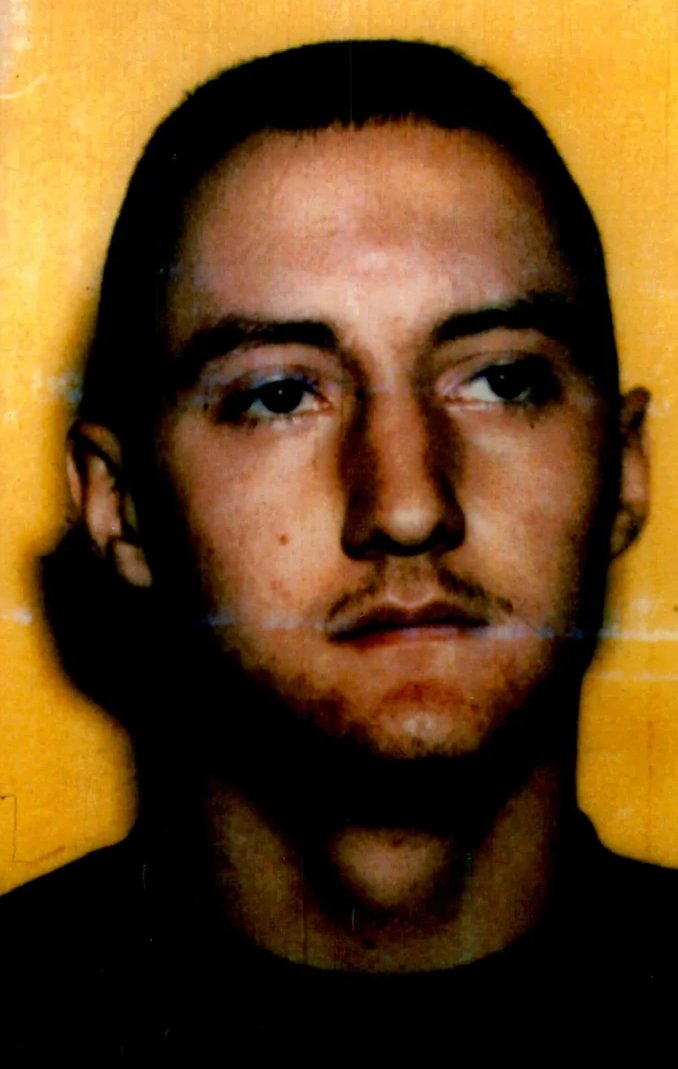
Higdon lived in Henderson and had worked at Atlantis Plastics since late 2007. Accounts from people familiar with him described a troubled employee who had experienced disciplinary problems at work. Before the shooting, he had reportedly been reprimanded for matters that included excessive cell-phone use, failing to wear required safety glasses, and failing to report damage to a restroom towel rack.
Higdon also had misdemeanor convictions involving marijuana possession and driving under the influence. Nothing in his known criminal history, however, indicated that he was preparing to commit a mass killing.
Conflict at the Factory
On the night of June 24 and the early morning of June 25, Higdon became involved in a dispute with fellow employee Joshua Hinojosa. The disagreement reportedly continued at a convenience store located across the street from the factory. When management learned about the confrontation, supervisor Kevin G. Taylor intervened.
Taylor reprimanded Higdon and instructed him to leave the workplace. He then escorted Higdon from the building. Rather than leaving the property, Higdon walked to his truck and retrieved a .45-caliber Hi-Point Model JHP semiautomatic pistol.
Police later learned that approximately two hours before the shooting, Higdon had telephoned his girlfriend and said that he intended to kill his supervisor. She did not alert police, the factory, or Higdon's intended target before the attack began.
The Shooting Begins
After retrieving the handgun, Higdon confronted Kevin Taylor outside an entrance to the factory. Higdon shot Taylor, leaving the supervisor mortally wounded near the doorway. Taylor had been performing a routine workplace responsibility by directing a disciplined employee to leave the premises when he was attacked.
Higdon then entered the factory while carrying the pistol. Workers inside initially had little understanding of what was happening. The sound of gunfire echoed through the industrial building as employees attempted to determine where the shots were coming from and how they could escape.
Attack Inside the Break Room
Higdon proceeded to a break room occupied by several employees. He opened fire on the workers gathered there, killing Trisha Mirelez, Israel Monroy, and Rachael Vasquez. Israel's sister, Noelia Monroy, was also struck by gunfire but survived.
Noelia Monroy suffered gunshot wounds to her arm, chest, and leg. She was critically injured and required emergency medical treatment. Her brother Israel died in the attack, leaving her to survive both severe physical injuries and the loss of a close family member.
The confined setting of the break room gave the victims little opportunity to flee. The attack unfolded rapidly, and workers elsewhere in the plant began running toward exits or hiding as warnings spread through the facility.
Killing on the Factory Floor
Higdon continued through the plant and located Joshua Hinojosa, the coworker with whom he had argued earlier. Hinojosa was shot from behind on the factory floor and died from his injuries. His killing suggested that Higdon was deliberately searching for people connected to the workplace dispute while also firing on other employees.
After shooting Hinojosa, Higdon turned the weapon on himself. He died from a self-inflicted gunshot wound to the head before police could apprehend or question him.
Victims
- Kevin G. Taylor, 40 – Taylor was Higdon's supervisor and lived in Dixon, Kentucky. He was shot outside the Atlantis Plastics factory after escorting Higdon from the building. He died on June 25, 2008.
- Joshua Hinojosa, 28 – Hinojosa was a factory employee from Sebree, Kentucky. He had been involved in the dispute with Higdon shortly before the shooting. Higdon shot him from behind on the factory floor on June 25, 2008.
- Trisha Mirelez, 25 – Mirelez was an Atlantis Plastics employee from Sebree, Kentucky. She was fatally shot inside the factory break room on June 25, 2008.
- Israel Monroy, 29 – Monroy was an employee from Henderson, Kentucky. He was killed in the break room on June 25, 2008. His sister, Noelia Monroy, was critically wounded during the same attack.
- Rachael Vasquez, 26 – Vasquez was an Atlantis Plastics employee from Sebree, Kentucky. She was fatally shot in the factory break room on June 25, 2008.
- Noelia Monroy – Monroy was an Atlantis Plastics employee and the sister of victim Israel Monroy. She survived after being shot in the arm, chest, and leg inside the break room on June 25, 2008.
Emergency Response
Police officers, firefighters, and emergency medical personnel rushed to the Atlantis Plastics facility after receiving reports of an active shooter. Responders entered a chaotic industrial scene containing multiple victims in different areas of the plant.
Authorities secured the building and searched for additional attackers before determining that Higdon had acted alone. Medical personnel treated the surviving wounded employee while investigators documented the locations of the victims, spent cartridge casings, and other physical evidence.
The factory was closed while police conducted their investigation. Employees who had escaped the attack gathered outside, contacted relatives, and provided statements about what they had witnessed. Many had known both Higdon and the people he killed.
Police Investigation
Investigators concluded that the shooting developed from Higdon's workplace conflicts, particularly the argument with Joshua Hinojosa and the disciplinary action taken by Kevin Taylor. The attack was classified as a workplace mass murder followed by suicide.
The pistol used in the killings was recovered near Higdon's body. Evidence indicated that he had retrieved the weapon from his vehicle after being ordered to leave rather than carrying it openly during his shift.
Police interviewed employees, relatives, and Higdon's girlfriend to reconstruct his actions and statements before the shooting. Because Higdon died at the scene, investigators were unable to obtain a direct explanation for why he expanded his retaliation beyond the two men connected to the dispute.
Impact on Henderson
The Atlantis Plastics shooting became one of the deadliest criminal events in the history of Henderson County. The killings devastated the victims' families, their coworkers, and the surrounding communities of Henderson, Sebree, and Dixon.
Atlantis Plastics released statements expressing grief for the employees who were killed and wounded. Counseling and other support services were made available to workers who had witnessed the shooting, discovered victims, or fled while gunfire was occurring.
The massacre also renewed public discussion about workplace violence, employee discipline, threats made before an attack, and the importance of reporting statements suggesting that a person intends to harm others. Higdon's telephone warning to his girlfriend became an especially troubling part of the case because intervention might have been possible had the threat been immediately reported.
Aftermath and Legacy
The June 25, 2008, shooting lasted only a short time, but its consequences continued for years. Five employees went to work for an overnight shift and never returned home. Another survived serious gunshot wounds while grieving the death of her brother.
Wesley Higdon's actions transformed an ordinary workplace disagreement into a mass killing. His decision to retrieve a firearm, return to the factory, and attack supervisors and coworkers demonstrated how quickly an unresolved workplace conflict could escalate into catastrophic violence.
The victims are remembered as individuals whose lives extended far beyond the circumstances of their deaths. The Atlantis Plastics massacre remains a significant tragedy in Henderson, Kentucky, and a lasting example of the destructive consequences of workplace violence.