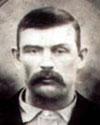
On the night of June 7, 1907, the quiet town of Woodburn, Indiana, was disturbed by the sounds of criminal activity that would ultimately lead to the death of its protector, Town Marshal Columbus Lafayette Croy. Croy, a 44-year-old White / Caucasian male, was at his residence when he was roused from sleep around 1:00 a.m. with the report of a burglary in progress. A group of men had broken into a nearby store, located approximately 500 feet from the marshal's home, intent on robbing the establishment.
Upon receiving the alert, Marshal Croy hurriedly dressed and made his way toward the scene of the crime, which was identified in reports as a building occupied by William Wearly as a butcher shop. As he approached the store, he was confronted by the lookouts who ordered him to halt. Ignoring the command, Croy continued to advance toward the thieves in an attempt to intervene. One of the suspects opened fire with a handgun, striking the marshal in the chest. despite receiving a mortal wound to the heart, Croy managed to return fire before collapsing. He was later found dead near a printing office, having trailed blood from the spot where he was shot.
The perpetrators immediately fled the scene, running to a nearby train station where they boarded a train heading toward Chicago or Detroit to make their escape. A manhunt ensued, eventually leading to the apprehension of four suspects: Herman Miller, John Stout, John Baker, and Fred A. LaDuke. The investigation revealed that the men had been robbing John Eby's barber shop as well, with stolen cigars later found in a stove at Miller's blacksmith shop, serving as a key piece of evidence linking him to the crime.
The legal proceedings that followed saw the group facing serious charges for the death of the marshal. Fred A. LaDuke turned state's evidence, testifying against his accomplices, which resulted in the charges against him being dismissed. Herman Miller and John Stout were both convicted of their roles in the killing; Miller was found guilty of first-degree murder, while another suspect was convicted of manslaughter. John Baker also faced trial, during which he claimed innocence and alleged he was bribed to frame Miller. Despite the severity of the crime, the sentences handed down were indeterminate terms of two to twenty-one years. Records indicate that the convicted men served only a fraction of this time, with reports suggesting they were released as early as 1911.