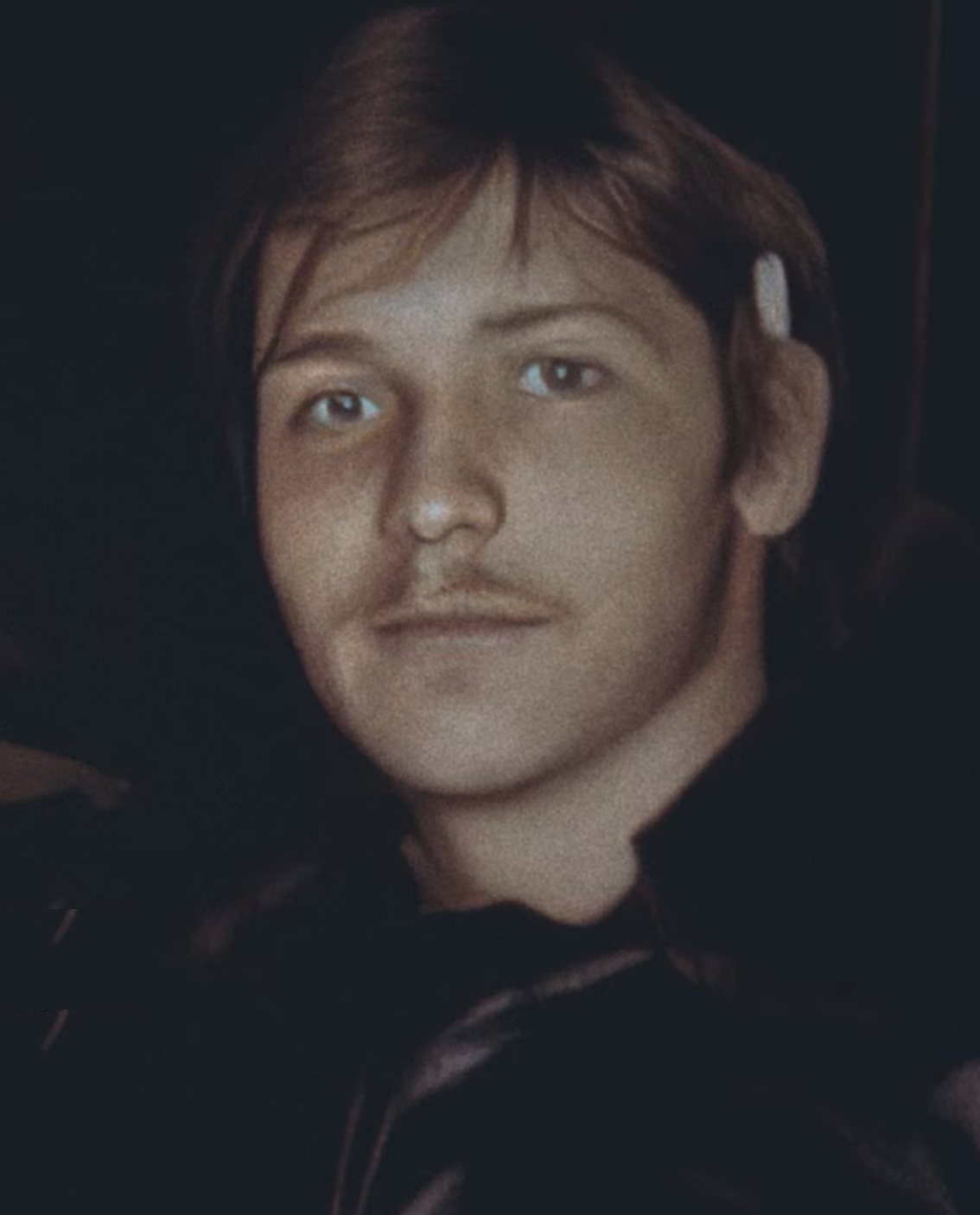
Robert G. Anderson, a 41-year-old male Prohibition Agent and Warehouse Agent, was killed in the line of duty on April 16, 1923, in Hammond, Indiana. Assigned to the Prohibition Unit of the United States Department of the Treasury Anderson was stationed at the Hammond Distillery located at 150th Street and Calumet Avenue. His primary responsibility was to guard the facility’s inventory of liquor, a high-value target for organized crime groups during the volatile Prohibition era.
The events leading to his death began in the early morning hours when a group of six armed bandits infiltrated the distillery grounds with the intention of stealing whiskey. As another agent arrived for his shift, the gunmen ambushed him, taking him hostage. The assailants forced the captured agent to walk to the entrance gate and call out for Anderson. When Anderson approached the gate to assist his colleague, he realized the situation was a trap. As he attempted to draw his revolver to defend the premises and his fellow officer, he was shot and fatally wounded by one of the intruders.
Following the shooting, the suspects fled the scene in an automobile, leaving the hostage unharmed to alert the authorities. A police pursuit ensued when officers stationed at a nearby crossing spotted the getaway vehicle. The bandits refused to stop, leading to a high-speed chase that ended when their driver lost control and crashed into a telephone pole. While most of the group managed to escape on foot, police were able to capture one of the suspects at the crash site.
Investigation into the murder eventually led to the identification of the alleged shooter, a notorious gangster named Joe Salston, who was known in the underworld as the 'Beer Baron.' Salston was apprehended in Chicago a week after the incident and extradited to Hammond to face murder charges. However, during the subsequent trial, Salston’s defense attorney aggressively cross-examined the surviving agent, creating doubt about his identification of the shooter. Consequently, Salston was acquitted of the murder charge. Historical accounts suggest that fear of gangster retribution may have influenced the judicial process, as Salston was later acquitted in a separate murder case under similar circumstances. He reportedly died in poverty in 1947.