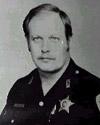
In the quiet town of Hammond, Indiana, a dark secret lay buried, a secret that would eventually reveal the tragic fate of 16-year-old John Bartlett. A white male, John was one of the victims of a man whose history of violence had gone unchecked for far too long. His life was cut short by the actions of David Edward Maust, a serial killer with a disturbing pattern of targeting teenage boys.
The story of John's death is intertwined with those of other young men who fell prey to the same predator.
The grim discovery that brought this nightmare to light occurred in December 2003. In the basement of a rented home in Hammond, authorities unearthed a horrific scene: the bodies of three teenagers, Michael Dennis James Raganyi, and Nick James, encased in concrete. This gruesome finding led to the swift arrest of David Maust, the tenant of the house. As the investigation unfolded, it became clear that the evil extended beyond these three victims. John Bartlett was confirmed as another of Maust's victims, his life also taken by the same hands.
David Edward Maust was no stranger to the criminal justice system. His violent history, particularly against young boys, was well-documented. Despite previous convictions and clear warnings from mental health professionals about his dangerous tendencies, Maust had been released from prison in 1999, a decision that would have fatal consequences. Following his arrest for the Hammond murders, Maust pleaded guilty in November 2005 to the three Indiana killings and received a sentence of three consecutive life terms without the possibility of parole.
The final chapter of this tragic saga was written by Maust himself. On January 20, 2006, he took his own life by hanging in his jail cell. He left behind a suicide note in which he confessed to a total of five killings. In a moment of what could be interpreted as remorse, he wrote of his victims, 'They were good, nonviolent, innocent young people who did not deserve to die'. For the families of John Bartlett and the other young victims, these words could offer little solace for their profound loss.