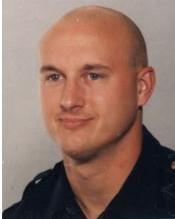
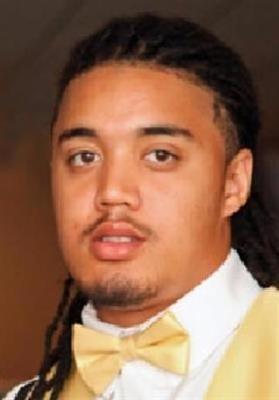
On the evening of August 24, 1997, the South Bend, Indiana community was shaken by a violent incident involving a dedicated law enforcement officer. Corporal Paul Richard Deguch, a 30-year-old White male who had served with the South Bend Police Department for seven years, was on patrol in a neighborhood known for high drug activity. Near the intersection of Talbot Avenue, he observed a young individual riding a bicycle and decided to conduct a stop to question him.
The situation
escalated rapidly as Corporal Deguch attempted to pat down the subject for weapons. During the search, the individual produced a hidden. 38-caliber handgun and opened fire. The officer was struck multiple times, sustaining critical injuries, including a fatal wound to the head. Emergency responders rushed him to a local hospital, but despite the best efforts of medical personnel, he succumbed to his injuries approximately one hour after the shooting.
Law enforcement launched an immediate and intense investigation to locate the assailant. Within three hours of the murder, officers arrested 16-year-old Gregory Dickens Jr. at a nearby residence. The investigation revealed that the teenager had fled the scene immediately after the shooting. Prosecutors charged Dickens as an adult due to the severity of the crime, seeking to hold him fully accountable for the death of the corporal.
In July 1999, a jury found Gregory Dickens Jr. guilty of murder. Although the prosecution had initially considered the death penalty, international and legal standards regarding the defendant's age at the time of the offense precluded that option. Consequently, the court sentenced him to life in prison without the possibility of parole. Years later, in 2012, Dickens sought a new trial, arguing that the forensic bullet-lead analysis used to connect him to the crime was flawed. However, his conviction stood, and he remains incarcerated for the killing of Corporal Deguch.