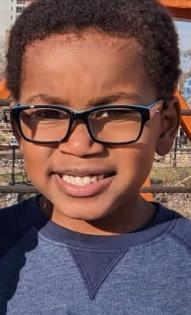
Robert M. Johnson, Jr., a 25-year-old Black man from Indianapolis, was killed in the early hours of April 17, 2016, in a shooting that ended with a wrecked SUV tucked against the city’s north side infrastructure.
Not long after 2:30 a.m., officers found two people shot to death inside an SUV on Shriver Avenue near 25th Street, close to I-65. Investigators believed the violence unfolded while the vehicle was still moving—that the SUV ran up an embankment during the shooting and crashed into a retaining wall—leaving the scene with the eerie stillness of an accident, but the unmistakable finality of a homicide. In those first hours, police had not released information about any suspects or an active search.
For the surrounding neighborhood, the loss didn’t fade into a single night’s headline. About a year later, community leaders and police marked a milestone of going without a homicide in the Highland Vicinity, and Robert Johnson’s killing was referenced as one of the neighborhood’s recent tragedies—reported as occurring in the 2500 block of Shriver Avenue—an absence that still carried weight in people’s voices and prayers. At that time, it was described publicly as unsolved.
Nearly two years after the shooting, the case shifted. In March 2018, a Marion County grand jury indicted Andrece Tigner on two counts of murder for the deaths of Robert Johnson and Mark Craig. The indictment had initially been sealed, with Tigner charged as a “John Doe,” and it was unsealed after his arrest by the Indianapolis Metropolitan Police Department. Prosecutor Terry Curry said the decision to proceed by grand jury reflected “complex circumstances” that prolonged the investigation, and because the case moved through a grand jury, a detailed probable-cause affidavit was not immediately available to the public.
Public reporting around the indictment also outlined elements of Tigner’s background recorded in court documents: earlier drug and firearms cases in Marion County, a 2013 prison sentence tied to cocaine possession, and an arrest for criminal trespassing on April 11, 2016—followed by release the next day, five days before the fatal shooting. It also described a 2017 traffic stop in which officers connected him to an alert linked to an ongoing gang investigation, and reported the discovery of drugs and a scale in the vehicle; prosecutors later declined to pursue those particular charges. As reported at the time, Tigner faced the two murder charges and additional unrelated charges in other cases, but the publicly available articles reviewed here focus on the indictment and arrest rather than detailing a trial or final court outcome for the murders.